717 Newfield St. Middletown, CT 06457



Last Updated: August 4, 2026
Medically Reviewed By:
Dr. John Pavlakis, Cosmetic Dentist
Teeth grinding is one of the most overlooked threats to long-term oral health — and if you have dental implants, the stakes are even higher. Also known as bruxism, this habit involves clenching or grinding the teeth, often during sleep, and the pressure it generates can far exceed what your mouth experiences during normal chewing. If you grind your teeth and have implants, or are considering them, understanding this relationship may be the difference between a restoration that lasts decades and one that fails prematurely.
At Advanced Family & Cosmetic Dentistry in family dentist in Middletown, CT, we work with patients who want durable, lasting results from their dental implants. Dr. John Pavlakis, who earned his D.D.S. from the University at Buffalo School of Dental Medicine, takes a thorough approach to treatment planning, and that includes evaluating how habits like bruxism may affect your outcome before any procedure begins.
How Bruxism Affects Dental Implants
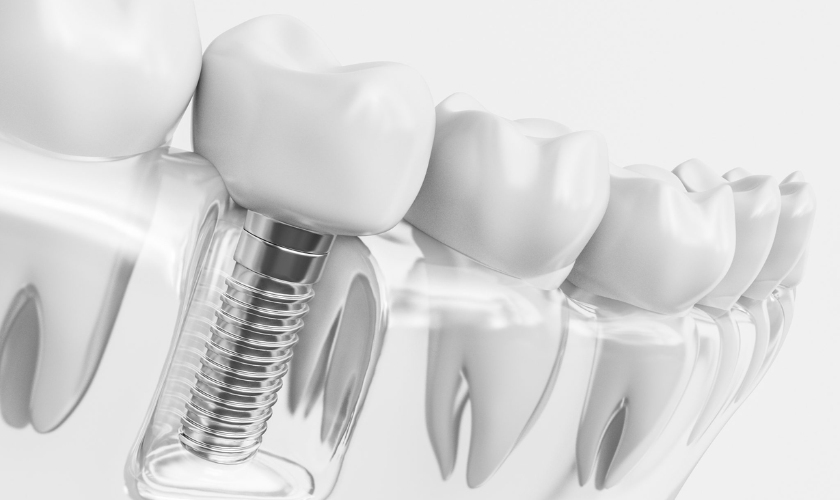
Dental implants are anchored directly into the jawbone, which gives them their strength and stability. However, that direct connection to bone also means they have no natural shock-absorbing cushion — unlike natural teeth, which are surrounded by the periodontal ligament. That ligament acts as a buffer when teeth take on force. Implants do not have this built-in protection.
When you grind your teeth, the force applied to the implant post, the abutment, and the crown can be significant. Over time, this repeated stress may contribute to implant loosening, crown fracture, or complications with the surrounding bone. According to the National Institute of Dental and Craniofacial Research, bruxism can cause wear, fractures, and damage to dental restorations. For implants specifically, the concern is both mechanical and biological.
The Mechanical Side
The crown attached to your implant is the most immediate target. Repeated grinding can chip or crack the crown material, wearing it down faster than it otherwise would. The abutment — the connector piece between the implant post and the crown — may also loosen under sustained pressure, requiring adjustment or replacement.
The Biological Side
Beyond the hardware itself, chronic grinding can affect the bone surrounding the implant. Healthy osseointegration, the process by which the implant fuses to the bone, depends on stable loading conditions. Excessive and uncontrolled force disrupts this environment. In more advanced cases of untreated bruxism, implant failure is a possible outcome.
What We Can Do to Protect Your Implants
The good news is bruxism is manageable, and with the right approach, patients who grind their teeth can still be excellent candidates for dental implants. The key is identifying the issue early and putting protective measures in place.
Night Guards
One of the most effective tools we offer is a custom night guard, designed to fit your bite precisely and create a barrier between your upper and lower teeth while you sleep. Unlike over-the-counter options, a custom guard redistributes force more evenly and protects both your natural teeth and any restorations. For patients with implants, wearing a night guard consistently is one of the most important habits you can maintain.
We also offer Thermoguard and NTI appliances, which are specialty devices designed to further reduce clenching intensity and protect the temporomandibular joint. If you have been noticing jaw soreness, headaches, or clicking sounds when you open and close your mouth, our TMJ care services may also be relevant to your overall treatment plan.
Planning Around Bruxism
When planning implant placement for patients with bruxism, we take factors like bite force, implant positioning, and crown material into careful consideration. This is not a one-size-fits-all process. The number of implants placed, the type of crown used, and the design of the final restoration can all be adjusted to reduce the risk of complications for patients who grind.
Advanced Family & Cosmetic Dentistry in Middletown, CT
If you grind your teeth and are wondering whether implants are still an option, the answer is almost always yes — with the right preparation and ongoing care. Dr. Pavlakis has built a practice in Middletown around personalized, thorough dentistry. He is a member of the Academy of General Dentistry and the American Dental Association, and he regularly pursues continuing education in areas including implant care, so your treatment plan reflects current best practices.
We believe patients deserve to feel confident in their restorations, and that starts with honest, comprehensive planning. If bruxism is a concern for you, we will address it directly before, during, and after your implant process. To get started, contact our office and schedule a consultation with Dr. Pavlakis today.

Dr. John Pavlakis | Cosmetic Dentist
Dr. John Pavlakis, a graduate of the University at Buffalo School of Dental Medicine, brings years of expertise and a commitment to patient-centered care. Staying at the forefront of dental advancements, he is an active member of leading dental organizations. Known for his compassionate approach, Dr. Pavlakis ensures patients feel heard and comfortable, providing top-tier cosmetic and general dentistry at Advanced Family & Cosmetic Dentistry in Middletown, CT.