717 Newfield St. Middletown, CT 06457



Last Updated: July 23, 2026
Medically Reviewed By:
Dr. John Pavlakis, Cosmetic Dentist
By Dr. John Pavlakis
Dental implants are the only tooth replacement option that fully replicates the structure of a natural tooth, from the root to the crown. According to the American Academy of Implant Dentistry, roughly 120 million Americans are missing at least one tooth, and millions more are missing all of their upper or lower teeth. While dentures and bridges can fill gaps effectively, they do not address what happens beneath the gum line — and that distinction matters more than most patients realize.
At Advanced Family & Cosmetic Dentistry in Middletown, CT, Dr. John Pavlakis evaluates each patient individually to determine whether dental implants are the best path forward. Whether you are replacing a single tooth or exploring full-arch options, understanding the full scope of implant benefits helps you make a confident, well-informed decision about your care.
What Are Dental Implants?
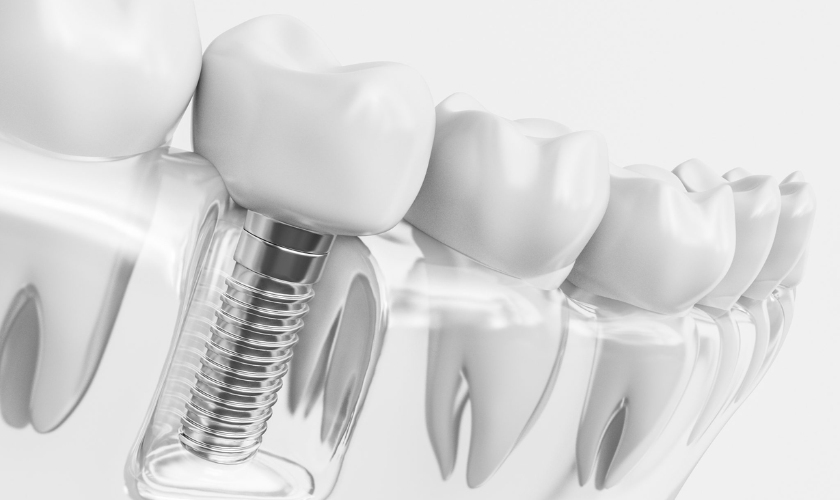
A dental implant is a small threaded titanium post that is surgically placed into the jawbone to function as an artificial tooth root. Titanium is used because it is biocompatible — the body accepts it readily, and over several months the surrounding bone fuses directly to the implant surface. The complete system has three components:
- Implant post: The titanium screw inserted into the jawbone, which serves as the artificial root.
- Abutment: A small connector piece that attaches to the top of the post and supports the crown.
- Crown (restoration): The visible portion of the tooth, custom-crafted to match your surrounding teeth in shape and color.
This system allows implants to replace a single missing tooth, support a bridge that spans multiple missing teeth, or anchor a full arch of replacement teeth. That versatility makes them suitable for a wide range of tooth loss situations.
Breaking Down the Advantages of Dental Implants
Implants offer a set of benefits that other tooth replacement options cannot fully match. Here is a closer look at why so many patients choose them as a long-term investment in their oral health.
Natural Look and Feel
Because the implant post integrates directly with the jawbone, the resulting restoration sits and functions exactly like a natural tooth. You can bite and chew with full force, speak without concern about slippage, and clean the crown just as you would a natural tooth. The custom-crafted crown is color-matched to surrounding teeth so closely that most people cannot tell the difference on visual inspection.
Jawbone Preservation
When a tooth root is no longer present, the jawbone beneath it loses the mechanical stimulation it needs to maintain density. Research indicates that patients can lose up to 25 percent of jawbone volume in the first year following tooth loss if no implant is placed. The titanium post replicates the stimulation of a natural root, signaling the body to continue producing bone tissue in that area rather than allowing it to resorb.
Stability for Adjacent Teeth
A missing tooth creates an opening that causes neighboring teeth to drift gradually toward the gap. This shifting disrupts bite alignment, makes cleaning more difficult, and can increase the risk of gum disease and additional tooth loss over time. An implant fills the space immediately, keeping every surrounding tooth in its proper position.
Prevention of Facial Sagging
Ongoing bone loss from multiple missing teeth can cause the lower face to collapse inward, producing a sunken or prematurely aged appearance. The jawbone provides the structural foundation that supports the cheeks and lips, and implants preserve that foundation in the same way natural tooth roots do.
Durability and Long-Term Value
The American Academy of Implant Dentistry reports a success rate of over 95 percent for properly placed implants. With consistent home care and regular professional cleanings, an implant can last a lifetime. Traditional dental bridges typically require replacement every 10 to 15 years, and dentures may need adjustment or relining as the jaw changes shape. Over a full lifespan, implants often prove to be the more cost-effective solution.
No Impact on Neighboring Teeth
A traditional bridge requires the dentist to remove enamel from the adjacent teeth on either side of the gap. An implant requires no alteration of neighboring teeth at all — it stands completely independently. Preserving as much of your natural tooth structure as possible is always the preferred approach in modern restorative dentistry.
How the Dental Implant Procedure Works
Getting a dental implant is a multi-stage process that unfolds over several months. Each stage is carefully sequenced to give the implant the best possible foundation for long-term success.
Consultation and Imaging
Your first appointment includes a comprehensive dental exam, digital X-rays or a cone beam CT scan, and a review of your medical and dental history. This allows Dr. Pavlakis to confirm that you have adequate jawbone density, healthy gum tissue, and no untreated conditions that could affect healing. Patients who have experienced significant bone loss may require a bone graft before implant placement.
Implant Placement
The titanium post is placed into the jawbone under local anesthesia. Many patients are surprised to find the procedure more comfortable than they anticipated. Post-operative soreness and mild swelling are normal in the days that follow and are typically manageable with over-the-counter pain relievers.
Osseointegration
After placement, a healing phase called osseointegration begins. During this period, which generally takes between three and nine months, the jawbone grows around and fuses directly to the surface of the titanium post. Once osseointegration is complete, the implant is stable enough to support a permanent restoration. This biological fusion is what gives implants their exceptional strength and longevity.
Crown Placement
Once the implant has fully integrated, an abutment is attached and impressions are taken to fabricate your custom crown. At this final stage, the restoration looks and functions like a natural tooth.
Are You a Candidate for Dental Implants?
Most adults with one or more missing teeth can qualify for dental implants, provided they have adequate jawbone density and healthy gum tissue. Good candidates include people who are uncomfortable with removable dentures, those who want a permanent alternative to a bridge, and those who have lost teeth to injury, decay, or gum disease.
Certain factors may affect candidacy or require treatment before implant placement, including active gum disease, uncontrolled systemic conditions such as diabetes, insufficient bone volume, or a history of heavy smoking. Patients from across the region, including those seeking Rocky Hill dentistry and Westfield dentistry, rely on Advanced Family & Cosmetic Dentistry for implant consultations.
Embrace the Confidence of a Complete Smile With Dental Implants
Tooth loss affects far more than appearance. It shapes how you eat, how you speak, and how you feel in everyday interactions. Implants address all of these concerns at once, providing a solution as close to your natural dentition as modern dentistry can offer. For more on the topic, see: What Is an Implant and Why Do I Need One?, How To Clean Dental Implants, and Can Grinding Your Teeth Damage Dental Implants?
To find out whether dental implants are the right solution for you, complete our contact form and request a consultation with Dr. Pavlakis.
Frequently Asked Questions About Dental Implants
How long does the dental implant process take from start to finish?
The full process typically takes between six months and one year, though the timeline varies by patient. Osseointegration — the period during which the jawbone fuses to the implant post — is the longest phase and generally takes three to nine months. Patients who require a bone graft before implant placement will have an extended timeline. Once integration is complete, crown fabrication and final placement usually take only a few additional appointments.
Are dental implants painful to get?
Most patients find the surgery more comfortable than they anticipated. The area is fully numbed with local anesthesia before the procedure begins, so patients feel pressure but not pain during placement. Mild soreness, swelling, and bruising in the days following surgery are normal and are typically manageable with over-the-counter pain relievers. Many patients describe the post-procedure discomfort as comparable to or less than that of a tooth extraction.
What can cause a dental implant to fail?
Dental implants have a reported success rate of over 95 percent, but complications can occur in a small number of cases. The most common risk factors are infection around the implant site (called peri-implantitis), insufficient bone density to support osseointegration, uncontrolled systemic conditions such as diabetes, and tobacco use. Following all post-surgical care instructions, maintaining thorough oral hygiene, and attending scheduled follow-up appointments reduces the risk of complications significantly.
Does dental insurance cover the cost of implants?
Coverage varies significantly by insurance plan. Some plans cover a portion of implant-related costs such as the crown or preparatory procedures like bone grafting, while others classify implants as a cosmetic or elective treatment and provide no coverage. Our team can help you review your benefits and discuss available financing options so that cost is not a barrier to receiving care.
How do I care for dental implants at home?
Implants are cared for the same way you care for natural teeth: brush twice daily with a soft-bristled toothbrush, floss around the implant crown, and attend professional cleanings every six months. Implants cannot develop cavities, but the surrounding gum tissue is still vulnerable to infection if oral hygiene is neglected. Avoiding tobacco use and limiting hard or extremely sticky foods also helps protect the restoration over the long term.

Dr. John Pavlakis | Cosmetic Dentist
Dr. John Pavlakis, a graduate of the University at Buffalo School of Dental Medicine, brings years of expertise and a commitment to patient-centered care. Staying at the forefront of dental advancements, he is an active member of leading dental organizations. Known for his compassionate approach, Dr. Pavlakis ensures patients feel heard and comfortable, providing top-tier cosmetic and general dentistry at Advanced Family & Cosmetic Dentistry in Middletown, CT.