
717 Newfield St. Middletown, CT 06457


Last Updated: August 4, 2026
Medically Reviewed By:
Dr. John Pavlakis, Cosmetic Dentist
Medically Reviewed by Dr. John Pavlakis, DDS on August 3, 2026
Dental implants represent one of the most significant investments you can make in your oral health, and naturally, you want to know how long that investment will last. Unlike dentures or bridges that typically need replacement every 5 to 15 years, dental implants are designed to be a permanent solution for missing teeth. The titanium post that serves as the implant’s foundation can last a lifetime with proper care, though the crown attached to it may need replacement after 10 to 15 years due to normal wear.
Understanding what affects implant longevity can help you maximize your investment and enjoy a fully functional smile for decades to come. Dental implants offer unmatched durability compared to other tooth replacement options, but their lifespan depends on several factors within your control.
Lifetime
Titanium implant post with proper care
10-15 Yrs
Typical lifespan of the visible crown
5-15 Yrs
Typical replacement cycle for dentures or bridges
2x Yearly
Recommended professional cleanings to protect implants
The Structure of Dental Implants
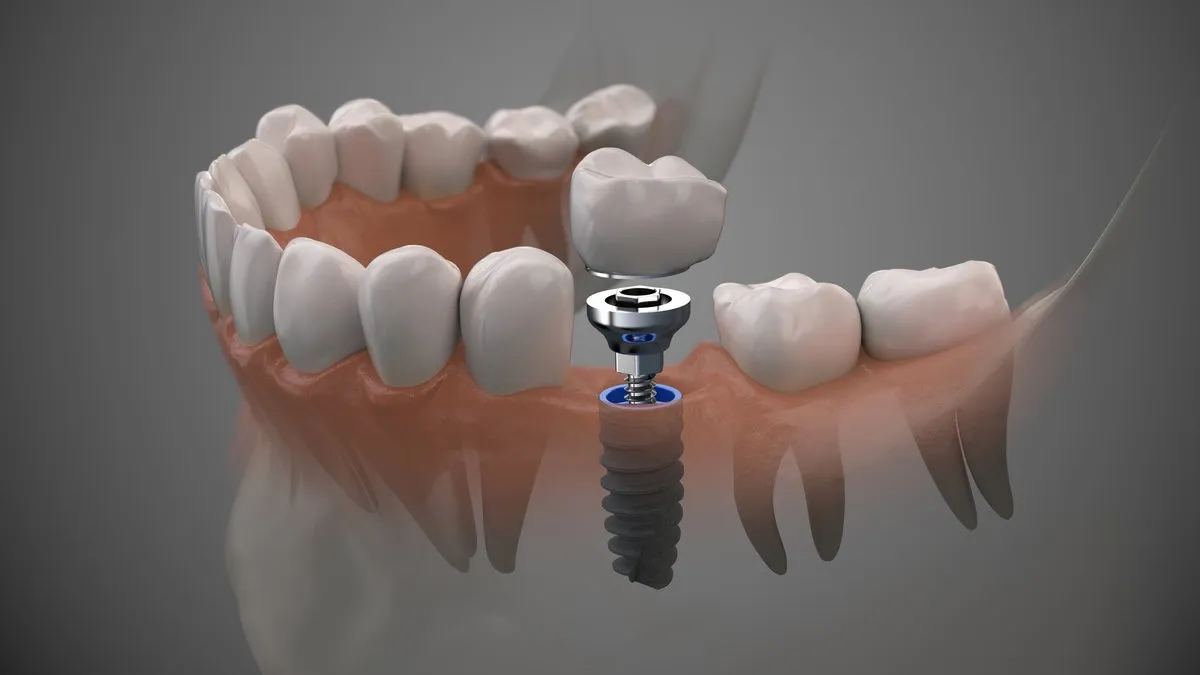
A dental implant consists of three main components that work together to replicate the function and appearance of a natural tooth. The implant post is a titanium screw surgically placed into the jawbone, where it fuses with the surrounding bone tissue through a process called osseointegration. This fusion creates a stable foundation that mimics a natural tooth root. The abutment is a connector piece attached to the implant post after healing is complete, serving as the link between the post and the visible portion of the tooth. The crown is the tooth-colored restoration that sits atop the abutment, designed to match your natural teeth in shape, size, and color.
Each component has a different expected lifespan. The titanium post typically lasts a lifetime because titanium is biocompatible and integrates permanently with bone tissue. The abutment can also last indefinitely if not subjected to excessive force or damage. The crown, however, experiences the same wear as natural teeth from chewing, grinding, and exposure to staining substances. Implant restorations may need replacement after years of use, but the underlying implant structure remains intact.
Factors That Affect Implant Longevity
Multiple variables influence how long your dental implants will last. Oral hygiene stands as the most critical factor, as implants can fail due to peri-implantitis, an infection similar to gum disease that affects the tissue around the implant. Daily brushing, flossing around the implant, and professional cleanings every six months help prevent bacterial buildup that threatens implant stability. Smoking significantly increases implant failure rates by restricting blood flow to the gums and slowing the healing process after surgery.
The location of the implant in your mouth also matters. Molars endure greater chewing forces than front teeth, potentially leading to faster crown wear. Teeth grinding or clenching, a condition called bruxism, places excessive pressure on implants and can cause mechanical complications over time. Night guards protect implants from the damaging effects of grinding during sleep. Your overall health affects implant success as well, with conditions like uncontrolled diabetes or osteoporosis potentially compromising bone density and healing capacity.
Warning Signs of Implant Problems
Recognizing early warning signs of implant complications allows for prompt intervention that may save the implant. Being aware of these symptoms helps you seek timely care when issues arise.
Persistent Pain
Discomfort around the implant site that does not resolve with time.
Swelling or Bleeding Gums
Redness, swelling, or bleeding gums surrounding the implant.
Looseness or Movement
Movement of the implant when touched or during chewing.
Difficulty Chewing
Discomfort biting down or chewing on the implant.
Gum Recession
Visible recession of gum tissue exposing the metal implant post.
Pus or Discharge
Pus or discharge around the implant, indicating infection.
If you experience any of these symptoms, contact your dentist immediately for evaluation. Early detection of problems significantly improves the chances of successful treatment and implant preservation. Same-day dental care can address urgent implant concerns before they progress to more serious complications.
All-on-Four Implants and Longevity
For patients missing all teeth in an arch, All-on-Four dental implants offer a full-arch restoration supported by just four strategically placed implants. This approach provides excellent stability while minimizing surgical complexity and recovery time. The longevity of All-on-Four implants matches that of individual implants, with the titanium posts lasting decades and the prosthetic arch requiring occasional maintenance or replacement. The reduced number of implants doesn’t compromise durability, as the strategic placement maximizes existing bone support and distributes forces effectively across the arch.
Patients with All-on-Four implants should follow the same maintenance protocols as those with individual implants, including meticulous oral hygiene and regular professional care. The prosthetic arch may need adjustments over time as minor changes occur in the mouth, but these modifications are typically straightforward and don’t require implant replacement.
Advanced Family & Cosmetic Dentistry Can Help
At Advanced Family & Cosmetic Dentistry, Dr. Pavlakis provides comprehensive implant services from initial placement through long-term maintenance. After completing his Bachelor of Science at SUNY New Paltz and earning his dental degree from University at Buffalo School of Dental Medicine, Dr. Pavlakis continues advancing his skills through continuing education in implant dentistry and restoration techniques. As a non-restricted provider, we base treatment recommendations on what’s clinically best for your situation rather than what insurance limitations dictate.
We guide patients through every stage of the implant process, from initial consultation and treatment planning through surgical placement and final restoration. Our commitment extends beyond the procedure itself to ensuring your implants remain healthy and functional for as long as possible. We handle all insurance submissions and pursue maximum reimbursement through both dental and medical billing channels when applicable, making implant treatment more accessible. Don’t let missing teeth compromise your quality of life, contact our Middletown office to discuss how dental implants can provide a lasting solution that restores both function and confidence to your smile.
Frequently Asked Questions About Dental Implant Longevity
Do dental implants ever need to be replaced?
The titanium post itself rarely needs replacement and can last a lifetime with proper care. The crown attached to it experiences normal wear from chewing and typically needs replacement after 10 to 15 years, similar to a natural tooth.
What is the biggest risk to how long an implant lasts?
Peri-implantitis, an infection of the tissue around the implant similar to gum disease, is the leading cause of implant failure. Consistent brushing, flossing around the implant, and professional cleanings every six months are the most effective ways to prevent it.
Does grinding my teeth affect implant longevity?
Yes. Bruxism places excessive pressure on implants and can lead to mechanical complications over time. A custom night guard worn during sleep protects both the implant and the crown from this added stress.
Do All-on-Four implants last as long as individual implants?
Yes. All-on-Four implants use the same titanium posts as individual implants, and their longevity matches that of single-tooth implants when the same oral hygiene and maintenance routines are followed.
What should I do if I notice pain or looseness around an implant?
Contact your dentist promptly rather than waiting to see if the discomfort resolves on its own. Early evaluation gives the best chance of treating the underlying issue and preserving the implant.
ABOUT THE AUTHOR
Dr. John Pavlakis, DDS
Lead Dentist, Advanced Family & Cosmetic Dentistry Middletown
Dr. Pavlakis earned his DDS from the University at Buffalo School of Dental Medicine after completing his Bachelor of Science at SUNY New Paltz. He continues advancing his skills through continuing education in implant dentistry and restoration techniques, and is a member of the American Dental Association and the Connecticut Dental Society.

Dr. John Pavlakis | Cosmetic Dentist
Dr. John Pavlakis, a graduate of the University at Buffalo School of Dental Medicine, brings years of expertise and a commitment to patient-centered care. Staying at the forefront of dental advancements, he is an active member of leading dental organizations. Known for his compassionate approach, Dr. Pavlakis ensures patients feel heard and comfortable, providing top-tier cosmetic and general dentistry at Advanced Family & Cosmetic Dentistry in Middletown, CT.