717 Newfield St. Middletown, CT 06457


Last Updated: May 20, 2026
Medically Reviewed By:
Dr. John Pavlakis, Cosmetic Dentist
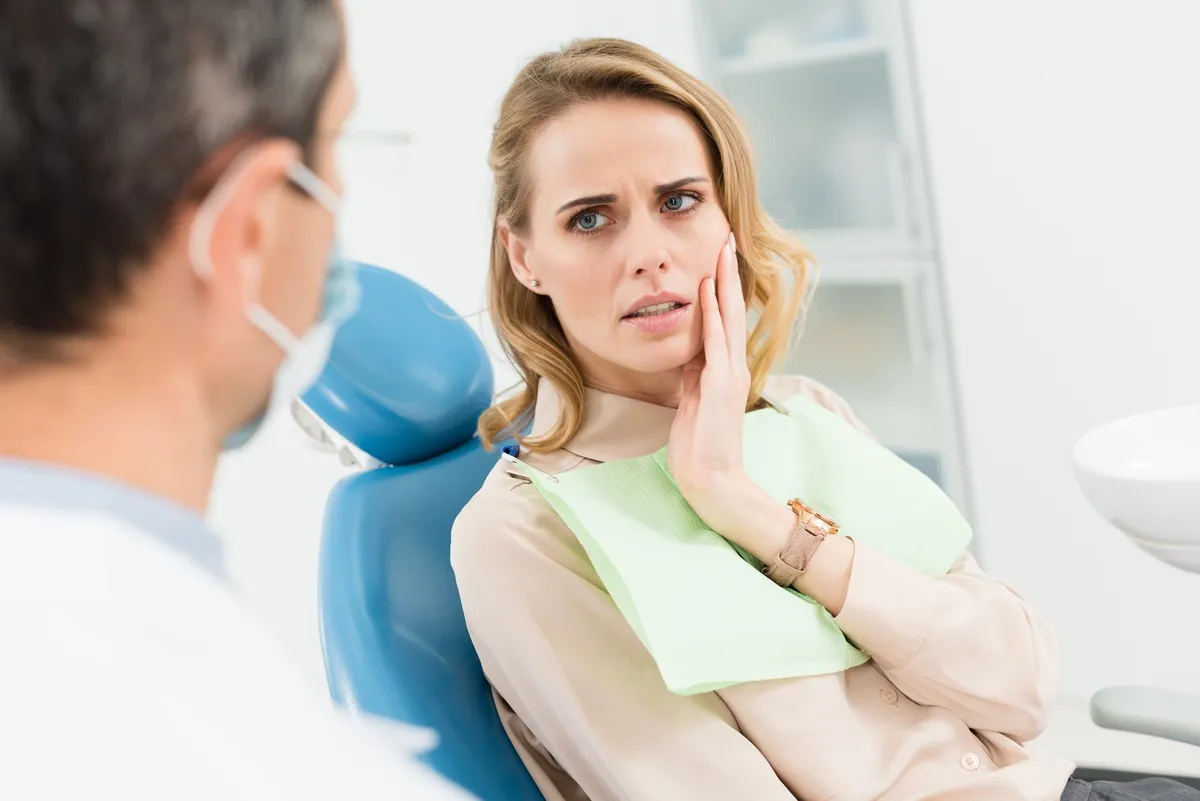
That sharp zing when you sip something cold after a dental cleaning can catch you completely off guard — especially when your teeth felt fine walking into the appointment. Tooth sensitivity after a professional cleaning is more common than most people realize, and in the vast majority of cases, it is temporary and manageable. Understanding why it happens and what you can do about it can make the experience far less alarming.
At Advanced Family & Cosmetic Dentistry in Middletown, CT, Dr. John Pavlakis and our team believe that an informed patient is a more confident patient. We take time to walk our patients through what to expect after their appointments — because knowing what is normal puts your mind at ease and helps you take better care of your smile at home.
Why Your Teeth Feel Sensitive After a Cleaning
Post-cleaning sensitivity is not a sign that something went wrong. During a professional cleaning, our hygienists remove plaque, tartar, and buildup that has accumulated on and around your teeth — sometimes along the gumline, where the tissue is more delicate. This process can temporarily expose areas of the tooth that are not used to direct contact or temperature changes, leading to that familiar sharp or achy feeling.
Exposed Dentin and How It Works
The outer layer of your tooth is enamel, which acts as a hard, protective shell. Beneath it sits dentin, a porous layer filled with tiny channels called tubules that connect to the tooth’s nerve. When dentin becomes exposed — whether from gum recession, enamel wear, or tartar removal during a cleaning — outside stimuli like hot drinks, cold air, or sweet foods can travel through those tubules and trigger a pain response. Research published in PMC describes this as dentin hypersensitivity, defining it as a short, sharp pain from exposed dentin in response to non-harmful stimuli like temperature or touch.
The Role of Tartar Buildup
When significant tartar has built up over time, it can essentially shield areas of the tooth surface from daily exposure. Once that buildup is removed during a professional cleaning, those newly uncovered surfaces are suddenly open to stimuli they have not encountered in a while. This is especially true for patients who have gone longer between cleanings or who have early signs of gum disease. The good news is that your mouth typically adjusts within a few days.
What You Can Do to Manage It
There are several straightforward steps you can take at home to ease sensitivity after a cleaning. The discomfort is almost always short-lived, but being proactive can help you feel better faster.
The following approaches are commonly recommended for managing post-cleaning sensitivity:
- Desensitizing toothpaste: Products containing potassium nitrate or stannous fluoride work by blocking the tubules in dentin or calming the nerve response over time. Use it consistently for the best results.
- Softer brushing: Using a soft-bristled toothbrush and gentle, circular strokes reduces additional irritation to already-sensitive areas.
- Avoid temperature extremes: Give your teeth a day or two before reaching for that iced coffee or hot soup. Reducing exposure to temperature triggers helps your teeth settle.
- Skip acidic foods temporarily: Citrus, vinegar-based dressings, and carbonated drinks can aggravate sensitivity by softening enamel and widening dentinal tubules.
These at-home measures work well for mild sensitivity, but it is worth keeping track of how you feel in the days that follow.
When to Follow Up With Your Dentist
Mild sensitivity that fades within a few days is normal. However, if the discomfort persists beyond a week, worsens over time, or is concentrated in one specific tooth, that is worth a phone call to our office. Prolonged sensitivity can sometimes point to an underlying issue, such as a cavity, a cracked tooth, or the early stages of gum disease — all of which we can address through periodontal maintenance or other targeted treatment.
In-Office Treatments That Can Help
If sensitivity is more significant, particularly following a scaling and root planing procedure, we have in-office options to help. Fluoride varnishes and other professional desensitizing agents can be applied directly to sensitive areas to provide faster, more targeted relief. In some cases, fluoride treatments applied during your visit may already provide a head start on reducing post-cleaning sensitivity. We will always discuss these options with you if we anticipate any discomfort following your appointment.
Schedule Your Next Cleaning at Advanced Family & Cosmetic Dentistry
Tooth sensitivity after a cleaning is a common, manageable experience — and it should never be a reason to skip your next appointment. Staying consistent with preventive care is one of the most powerful things you can do for your long-term oral health, and our team is here to make every visit as comfortable as possible.
Dr. Pavlakis earned his undergraduate degree from SUNY New Paltz and his D.D.S. from the University at Buffalo School of Dental Medicine. At Advanced Family & Cosmetic Dentistry, we are a fee-for-service practice, which means our treatment recommendations are guided entirely by what is best for your health — not by insurance limitations. If you have questions about sensitivity or want to get back on track with your preventive care, we encourage you to contact our office today. We would love to help you feel confident in your smile.

Dr. John Pavlakis | Cosmetic Dentist
Dr. John Pavlakis, a graduate of the University at Buffalo School of Dental Medicine, brings years of expertise and a commitment to patient-centered care. Staying at the forefront of dental advancements, he is an active member of leading dental organizations. Known for his compassionate approach, Dr. Pavlakis ensures patients feel heard and comfortable, providing top-tier cosmetic and general dentistry at Advanced Family & Cosmetic Dentistry in Middletown, CT.