717 Newfield St. Middletown, CT 06457



Last Updated: July 29, 2026
Medically Reviewed By:
Dr. John Pavlakis, Cosmetic Dentist
The hours after a root canal can feel like uncharted territory, where every twinge makes you wonder if what you’re experiencing falls within the normal range. Your mouth feels different, your tooth sits oddly in your bite, and you’re left wondering whether these sensations signal healing or trouble. While you can expect mild to moderate discomfort, swelling, and sensitivity in the first few days, these symptoms should subside by the end of your first seven days post-root canal.
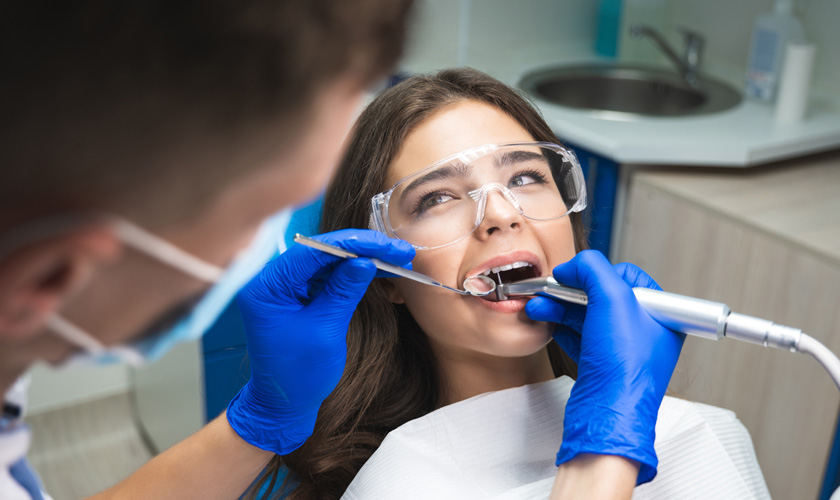
At Advanced Family & Cosmetic Dentistry, we’ve guided Middletown patients through root canal treatment with advanced technology and personalized care. We provide clear recovery instructions that turn uncertainty into confidence, helping you understand exactly what to expect during your healing process to turn anxious waiting into informed healing.
What Does the First Week of Recovery After a Root Canal Look Like?
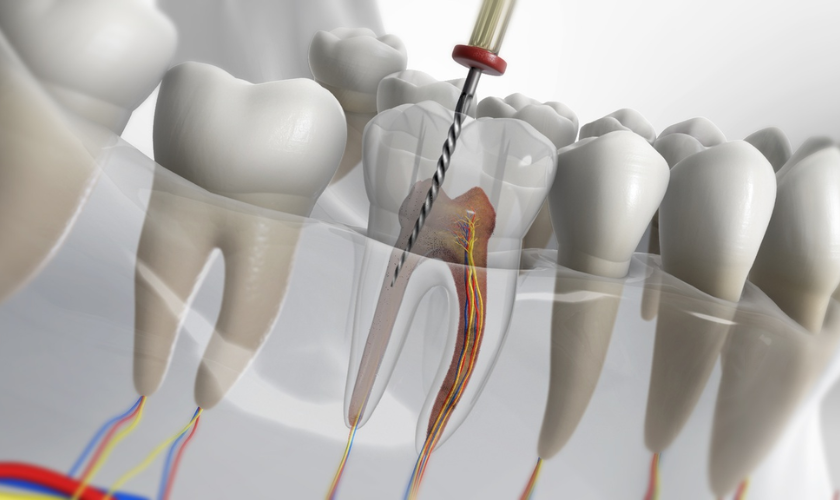
Despite root canals being such a common treatment, with over 15 million teeth saved each year with the procedure, you may still have questions about what to expect in the following days. Your recovery unfolds in predictable stages, each with distinct characteristics and care requirements. Following these phases helps you track your healing progress and know when symptoms fall within normal ranges.
Initial Hours After Treatment
The first few hours after your root canal require careful attention to your post-treatment instructions. Your mouth may feel numb for two to four hours after leaving our office, so avoid eating until sensation returns completely. This prevents accidental biting of your cheek or tongue.
Mild to moderate pain typically starts once the anesthesia wears off. Over-the-counter pain relievers like ibuprofen work well for most patients, though we may prescribe stronger medication for complex cases. Take pain medication before the numbness fades to stay ahead of discomfort. Your treated tooth may feel slightly elevated or sensitive when biting down, which should diminish within a few days.
Plan on a quiet rest of the day whenever possible. Skipping strenuous exercise, heavy lifting, and long stretches of talking on the first day gives the treated area a chance to settle down, and most patients feel comfortable resuming normal activity levels the following day.
Keeping your head slightly elevated, even while sleeping, can help limit swelling in the first day or two. An extra pillow or two the first couple of nights is a simple, low-effort step that a surprising number of patients skip and then wonder why their cheek looks puffier in the morning.
Days One Through Three
The first three days bring the most noticeable symptoms. Swelling around the treatment site occurs commonly and peaks around day two or three. Apply an ice pack to your cheek for 15 minutes at a time to reduce inflammation. Some patients experience mild bruising or tenderness in the jaw, particularly after longer procedures.
Your tooth may be sensitive to pressure and temperature during this period. Stick to soft foods that don’t require heavy chewing. Yogurt, scrambled eggs, mashed potatoes, and smoothies work well. Avoid extremely hot or cold items, as well as spicy or acidic foods, since all of these can trigger discomfort in a tooth that is still settling down.
Continue taking prescribed antibiotics exactly as directed, even if symptoms improve. Maintain gentle oral hygiene by brushing carefully around the treated area and rinsing with warm salt water three times daily. It is also worth holding off on smoking and alcohol during these first few days, since both can slow healing and irritate the treatment site.
If your dentist prescribed pain medication beyond an over-the-counter option, take it on the schedule provided rather than only when pain becomes noticeable. Staying ahead of discomfort with consistent dosing tends to keep pain more manageable overall than waiting until it spikes and then trying to catch up. Always check with our office before combining medications or taking more than the labeled dose of an over-the-counter pain reliever.
Mid-Week Recovery
Days four through seven typically show significant improvement. Pain should decrease noticeably, and you may find over-the-counter medication sufficient or unnecessary. Swelling diminishes during this phase, and sensitivity to pressure gradually fades. Cleveland Clinic notes that most people recover from a root canal in less than a week, which lines up with what we typically see in our own patients.
You can slowly reintroduce firmer foods as comfort allows. Test your bite with softer items before moving to crunchier options. Continue avoiding very hard or sticky foods that could damage the temporary filling or crown. If you received a temporary restoration, protect it by chewing on the opposite side of your mouth.
Resume normal oral hygiene practices by the end of the week. Brush twice daily and floss gently around the treated tooth. Your tooth may still feel slightly different, but sharp pain or extreme sensitivity shouldn’t persist beyond this point.
Warning Signs to Monitor
Most patients recover smoothly, but certain symptoms require prompt attention. Contact our team immediately if you experience severe pain that worsens rather than improves, significant swelling that spreads to your face or neck, or a fever above 100.4°F. An allergic reaction to medication, persistent numbness beyond 24 hours, or a visibly cracked temporary restoration also warrant immediate communication. If you are ever unsure whether a symptom is serious, it is always better to call and ask than to wait it out at home.
A return to normal discomfort levels indicates that healing is progressing well. Many patients feel completely comfortable within three to five days, though some sensitivity may linger for several weeks in teeth with severe infections or complex cases. If your symptoms are similar to what led you to seek treatment in the first place, our post on what to expect from same-day emergency dental care covers when a same-day visit makes sense.
It helps to keep a simple mental checklist during the first week: is the pain getting better each day, even slightly, or is it staying the same or getting worse? Is any swelling shrinking rather than spreading? Are you able to keep up with eating and drinking, even if you are sticking to softer foods? A yes to each of these is generally reassuring. A no to any of them is a good reason to call rather than wait for your next scheduled visit.
Common Concerns During Recovery
Many patients come across misinformation about root canals before ever needing one, which can add unnecessary worry to a recovery that is otherwise going normally. If you are second-guessing a symptom against something you read online, our article debunking common root canal myths addresses many of the concerns patients bring up most often, from pain expectations to long-term safety.
It is also common to wonder how long a temporary filling or crown needs to last before the permanent restoration goes on. In most cases, your dentist will schedule the permanent crown placement within a few weeks of your root canal, once the tooth has had time to settle. Treating the temporary restoration carefully in the meantime helps avoid an unplanned repair visit before your scheduled appointment.
Some patients also notice a slight discoloration in the treated tooth in the weeks following a root canal. This can happen when small amounts of blood or tissue debris remain inside the tooth after treatment, and it is generally a cosmetic issue rather than a sign that something went wrong. If discoloration bothers you once the tooth is fully healed, there are cosmetic options worth discussing at a follow-up visit, though this is rarely something that needs to be addressed right away.
Protect Your Smile With Root Canal Treatment at Advanced Family & Cosmetic Dentistry
Our dental team at Advanced Family & Cosmetic Dentistry has served Middletown patients with comprehensive endodontic care. We use advanced technology and proven techniques to make root canal treatment as comfortable as possible. Beyond the first week, your treated tooth needs protection to function properly for years ahead, so schedule your permanent crown or restoration placement as recommended.
Questions about your recovery shouldn’t wait. Reach out to our office or request an appointment to make sure your root canal experience results in a healthy, functional tooth you can rely on for years to come.
Frequently Asked Questions About Root Canal Recovery
Is It Normal to Still Feel Pain a Week After a Root Canal?
Mild sensitivity, especially with biting pressure or temperature, can linger for a few weeks in some patients, particularly after treating a tooth with a severe infection. Sharp or worsening pain a week out is different and is worth a call to our office. As a general guide, discomfort should be trending steadily downward each day rather than staying the same or getting worse.
Can I Go to Work or School the Day After My Root Canal?
Most patients return to work or school the next day without difficulty, especially for desk-based or low-activity roles. If your job involves heavy physical exertion, it is reasonable to take it easier for a day or two while any swelling and soreness settle down. Listen to how you feel rather than following a fixed timeline, since recovery speed varies from person to person.
Why Does My Bite Feel Uneven After a Root Canal?
Mild swelling in the ligament around the tooth root can make the tooth feel slightly higher than its neighbors for the first several days, which often makes your bite feel off even though nothing is actually wrong. This usually resolves on its own as inflammation goes down. If your bite still feels uneven after a week or the temporary filling seems too high, let us know so we can check and adjust it.
What Happens If I Skip or Delay My Permanent Crown?
A temporary filling or crown is not built to last indefinitely and can wear down, crack, or loosen the longer it stays in place. Once that happens, the tooth is more exposed to bacteria and reinfection, which can undo the benefit of the root canal itself. Scheduling your permanent restoration within the timeframe your dentist recommends is one of the most important steps in protecting your investment in the tooth.
Can I Brush and Floss Normally During Recovery?
Yes, with a gentler touch around the treated tooth for the first several days. Brushing and flossing the rest of your mouth as usual helps prevent plaque buildup during recovery, and rinsing with warm salt water adds an extra layer of cleanliness around the treatment site. By the end of the first week, most patients can return to their normal brushing and flossing routine without modification.

Dr. John Pavlakis | Cosmetic Dentist
Dr. John Pavlakis, a graduate of the University at Buffalo School of Dental Medicine, brings years of expertise and a commitment to patient-centered care. Staying at the forefront of dental advancements, he is an active member of leading dental organizations. Known for his compassionate approach, Dr. Pavlakis ensures patients feel heard and comfortable, providing top-tier cosmetic and general dentistry at Advanced Family & Cosmetic Dentistry in Middletown, CT.