717 Newfield St. Middletown, CT 06457



Last Updated: August 4, 2026
Medically Reviewed By:
Dr. John Pavlakis, Cosmetic Dentist
Dental emergencies never happen at convenient times, often striking during evenings, weekends, or when you’re far from home. The sudden onset of severe tooth pain, a knocked-out tooth, or a broken filling can leave you feeling anxious and uncertain about what steps to take next.
When dental emergencies arise, knowing what to expect from same-day dental care can provide peace of mind during a stressful situation. At Advanced Family & Cosmetic Dentistry, Dr. Pavlakis understands dental emergencies require immediate attention, and our Middletown dental practice is equipped to provide prompt, comprehensive care when you need it most.
Understanding True Dental Emergencies
Not every dental issue constitutes a true emergency requiring immediate same-day treatment. Severe, persistent pain often indicates serious problems such as abscessed teeth, where bacteria enters the tooth’s pulp through decay or trauma, causing dangerous infection and swelling. Knocked-out teeth represent another urgent situation, as successful reimplantation depends heavily on receiving treatment within the first hour after injury.
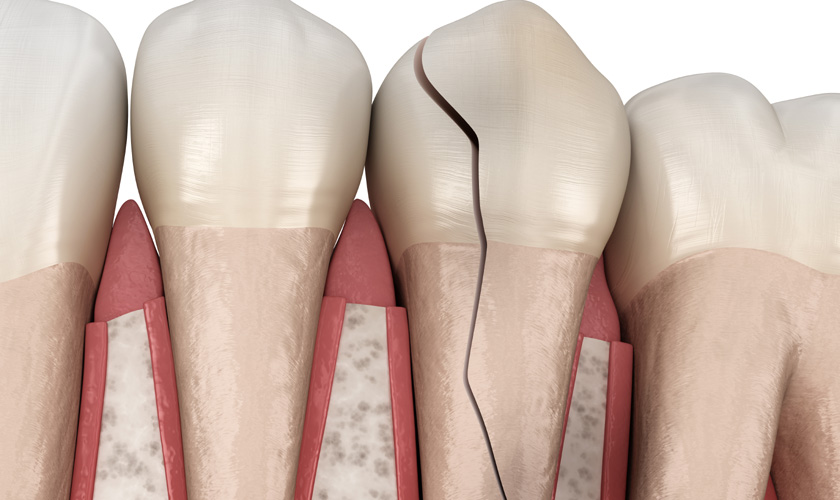
Broken or cracked teeth, particularly those causing sharp pain or exposing the inner tooth structure, require prompt attention to prevent further damage and infection. Similarly, lost fillings or crowns can leave teeth vulnerable to additional decay and sensitivity, making same-day treatment beneficial for long-term oral health. Understanding these distinctions helps patients prioritize their care and communicate effectively with dental professionals about their urgent needs.
When calling for emergency care, patients should describe their symptoms clearly, including pain levels, duration, and any visible damage or swelling. This information helps dental teams prepare appropriate treatment options and manage scheduling to accommodate urgent cases. For knocked-out teeth, the American Dental Association recommends keeping the tooth moist by placing it back in the socket without touching the root, or storing it between your cheek and gums while seeking immediate care.
Simple First Aid While You Wait
A few basic steps can make a real difference before you reach our office. For a toothache, rinse your mouth with warm water and gently floss to clear any trapped food, then apply a cold compress to the outside of your cheek if there is swelling. Over-the-counter pain relievers can help, but avoid placing aspirin or any tablet directly against your gum or tooth, since this can burn the tissue rather than ease the pain. For a cracked or chipped tooth, save any broken pieces, rinse your mouth, and use gauze to control bleeding if needed.
When to Go to the Emergency Room Instead
Most dental emergencies, including a knocked-out tooth, a cracked tooth, or an abscess, are best treated by your dentist rather than a hospital. However, Cleveland Clinic notes that uncontrolled bleeding, a broken or fractured jaw, or facial trauma severe enough to affect breathing or swallowing calls for an emergency room rather than a dental office. If you are ever unsure which is appropriate, call our office first. We can help you figure out the right next step, even if that step ends up being a trip to the emergency room rather than a same-day dental visit.
It helps to think of the distinction this way: a dental office can address almost anything involving a specific tooth, its supporting bone, or the surrounding gum tissue. An emergency room becomes the right choice when the injury extends beyond the mouth itself, such as a jaw that appears out of alignment, a deep facial laceration, or any difficulty breathing or swallowing following an injury. A hospital emergency room is generally not equipped to perform dental procedures such as extractions or root canals, so even patients who go there for a serious injury are usually referred back to a dentist for the tooth-specific portion of their care.
What Happens During Your Emergency Visit
Emergency dental visits typically begin with a comprehensive evaluation to assess the extent of damage and determine the most appropriate treatment approach. Dr. Pavlakis performs thorough examinations using digital X-rays and advanced diagnostic tools to identify underlying problems that may not be immediately visible. This systematic approach helps ensure all aspects of the emergency are addressed, preventing complications from overlooked issues.
Pain management represents a primary concern during emergency visits, with relief often provided through local anesthetics, anti-inflammatory medications, or other appropriate interventions. The specific treatment approach depends on the nature of the emergency, ranging from simple repairs for minor chips to more complex procedures for severe infections or trauma. Emergency appointments often require flexibility, as treatment plans may need adjustment based on findings during the examination.
Immediate Treatment Options
Same-day treatment options vary significantly based on the specific emergency and individual patient factors. Simple procedures such as temporary fillings, pain relief medications, or basic repairs can often be completed immediately, providing relief and stabilizing the situation until comprehensive treatment can be scheduled. More complex cases, including root canal therapy or surgical procedures, may require multiple appointments but can often begin with emergency intervention to address pain and prevent further damage.
Dr. Pavlakis prioritizes patient comfort and long-term oral health when determining treatment approaches. Our practice philosophy emphasizes doing what’s right for each patient rather than simply providing quick fixes, so emergency treatments contribute to lasting oral health improvements rather than a temporary patch. Comprehensive treatment capabilities allow many procedures to be completed in a single visit when appropriate.
Preparing for Your Emergency Appointment
Preparation can significantly improve the efficiency and effectiveness of emergency dental care. Patients should gather relevant information about their dental history, current medications, and insurance coverage before arriving for treatment. Bringing a list of symptoms, including when they started and any factors that make them better or worse, helps dental teams provide targeted care.
For knocked-out teeth, proper handling and storage become crucial factors in successful treatment outcomes. The tooth should be handled by the crown portion only, gently rinsed if dirty, and kept moist during transport to the dental office. Time-sensitive emergencies benefit from immediate communication with the dental office, allowing staff to prepare for your arrival and potentially provide guidance for interim care.
If you wear dentures, retainers, or a night guard, bring them with you even if the emergency does not directly involve that appliance. Knowing how your bite and existing dental work fit together helps us plan treatment more accurately, particularly if a temporary repair needs to work alongside something you already wear. Likewise, if you take blood thinners or have a condition that affects healing, mentioning it when you call ahead lets us plan accordingly rather than discovering it once you have already arrived.
Reducing Your Risk of a Future Dental Emergency
While not every dental emergency can be prevented, a few habits lower the odds of one catching you off guard:
- Brush twice daily and floss once a day to keep teeth and gums healthy
- Wear a properly fitted sports guard during contact sports or activities with fall risk
- Avoid chewing ice, hard candy, or popcorn kernels, which are common causes of cracked teeth
- Keep up with routine dental visits so small issues are caught before they become urgent
- Address a nagging ache or loose filling promptly instead of waiting for it to worsen
None of these steps guarantee you will never face a dental emergency, but they meaningfully reduce how often patients end up needing same-day care for something that could have been addressed earlier. Grinding your teeth at night is a common, often overlooked contributor to cracked teeth and loose fillings, so if you wake up with jaw soreness or a partner has mentioned hearing you grind, it is worth mentioning at your next routine visit rather than waiting for a crack to force the issue.
Experience Comprehensive Emergency Care at Advanced Family & Cosmetic Dentistry
Dr. Pavlakis and our experienced team understand that dental emergencies create significant stress and anxiety for patients. Our practice maintains flexible scheduling to accommodate urgent cases, often providing same-day treatment when patients are experiencing pain or trauma. The combination of advanced diagnostic technology, comprehensive treatment capabilities, and compassionate care helps patients receive effective emergency treatment in a comfortable environment.
Our commitment to same-day emergency care extends beyond immediate pain relief to include comprehensive treatment planning for long-term oral health. Dr. Pavlakis takes time to explain treatment options, discuss prevention strategies, and coordinate any necessary follow-up care. When dental emergencies arise, don’t hesitate to contact our office or request an appointment for prompt, professional care designed to get you out of pain and back to your regular routine.
Frequently Asked Questions About Emergency Dental Care
What Counts as a Dental Emergency Versus Something That Can Wait?
A true dental emergency generally involves severe pain, a knocked-out or badly broken tooth, uncontrolled bleeding, or visible swelling from an infection. Issues such as a minor chip with no pain, a lost filling that is not causing discomfort, or general sensitivity can usually wait for a regular appointment. When in doubt, calling our office is the fastest way to find out whether your situation needs same-day attention.
How Quickly Can I Be Seen for a Dental Emergency?
We keep flexible scheduling specifically to accommodate urgent cases, and many patients experiencing significant pain or trauma are seen the same day they call. The exact timing depends on the day and how many urgent cases are already being managed, so calling as soon as the emergency happens gives our team the most time to work you into the schedule.
Will My Dental Insurance Cover Emergency Treatment?
Most dental insurance plans provide some coverage for emergency exams and urgent treatment, though the specifics vary by plan and procedure. Our team can help verify your benefits before or during your visit so you have a clear picture of what to expect. If you do not have dental insurance, we can still discuss options for managing the cost of urgent care.
What Should I Do if My Tooth Gets Knocked Out After Hours?
Handle the tooth only by the crown, rinse it gently without scrubbing, and try to place it back in its socket if possible. If that is not possible, keep it moist in milk or between your cheek and gum and call our office right away, since even after-hours guidance can improve your odds of saving the tooth. Time matters here more than with most dental emergencies, so avoid waiting until morning if the injury just happened.
Can a Dental Emergency Be a Sign of a Bigger Problem?
Sometimes, yes. A sudden abscess or repeated cracked teeth can point to untreated decay, a bite that is out of alignment, or grinding habits that put ongoing stress on your teeth. Part of an emergency visit is identifying not just the immediate problem but any underlying cause, so we can talk about steps to lower your risk of a similar emergency happening again.

Dr. John Pavlakis | Cosmetic Dentist
Dr. John Pavlakis, a graduate of the University at Buffalo School of Dental Medicine, brings years of expertise and a commitment to patient-centered care. Staying at the forefront of dental advancements, he is an active member of leading dental organizations. Known for his compassionate approach, Dr. Pavlakis ensures patients feel heard and comfortable, providing top-tier cosmetic and general dentistry at Advanced Family & Cosmetic Dentistry in Middletown, CT.