717 Newfield St. Middletown, CT 06457


Last Updated: August 10, 2026
Medically Reviewed By:
Dr. John Pavlakis, Cosmetic Dentist
Most dental emergencies happen away from a dental chair, which means the first few minutes are usually managed at home, in a car, or on the sidelines of a game. Knowing the right response for each type of emergency, from a knocked-out tooth to a sudden abscess, can protect your smile and reduce pain while you get to a dentist.
At Advanced Family & Cosmetic Dentistry, our team has spent years helping patients through a wide range of dental emergencies, from chipped teeth to severe pain. While it is always best to seek professional care quickly, there are steps you can take at home to manage discomfort and protect your smile until you can visit us. Following proper care protocols can help minimize complications and support a smoother recovery once you are in the dental chair.
How to Handle Different Dental Emergencies at Home
Dental emergencies can be highly upsetting and stressful, leaving individuals in pain and wondering what they should do to help the situation. If you are at home and unable to see a dentist right away, the steps below can help you manage the most common emergencies until you get professional care.
1. Severe Toothache
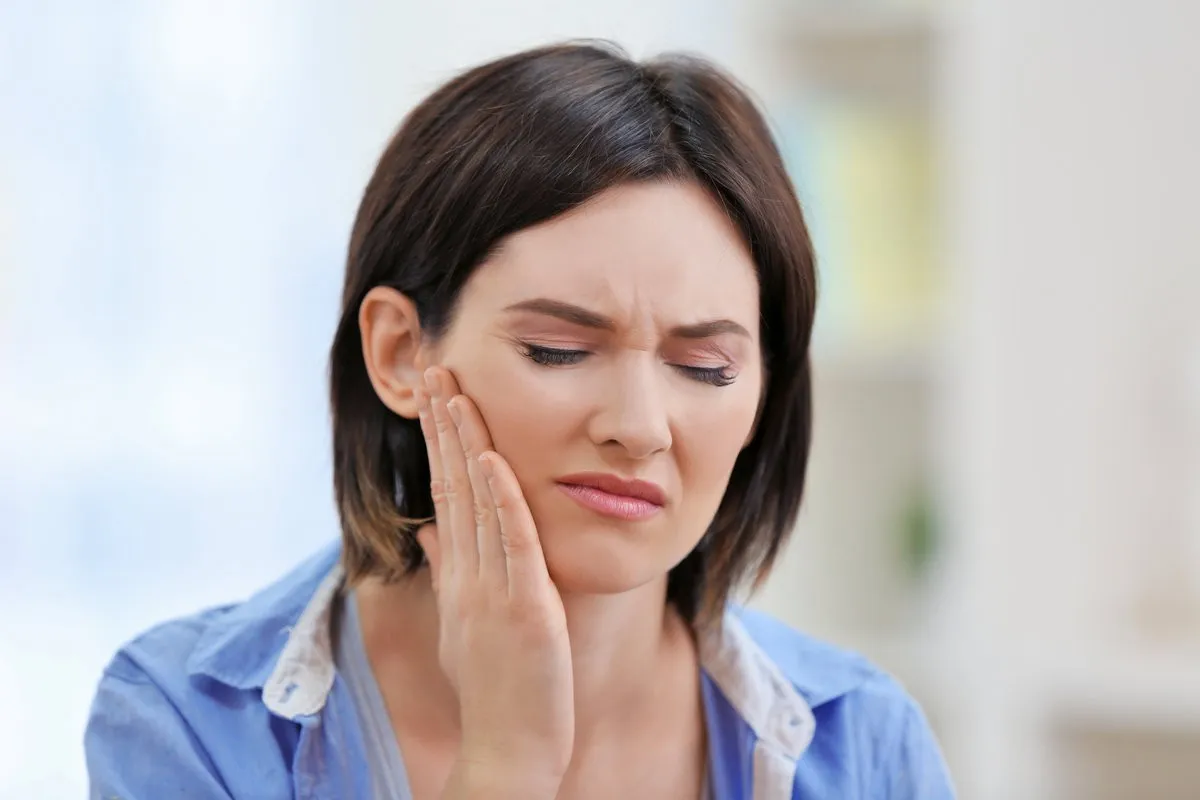
If you or a family member is dealing with a severe toothache, rinse your mouth with warm water, floss gently to clear any trapped food, and apply a cold compress to the outside of your cheek. Over-the-counter pain relievers such as acetaminophen or ibuprofen can help in the meantime. Avoid placing aspirin or any painkiller directly against the gum or tooth, since this can burn the soft tissue.
2. Chipped or Broken Tooth
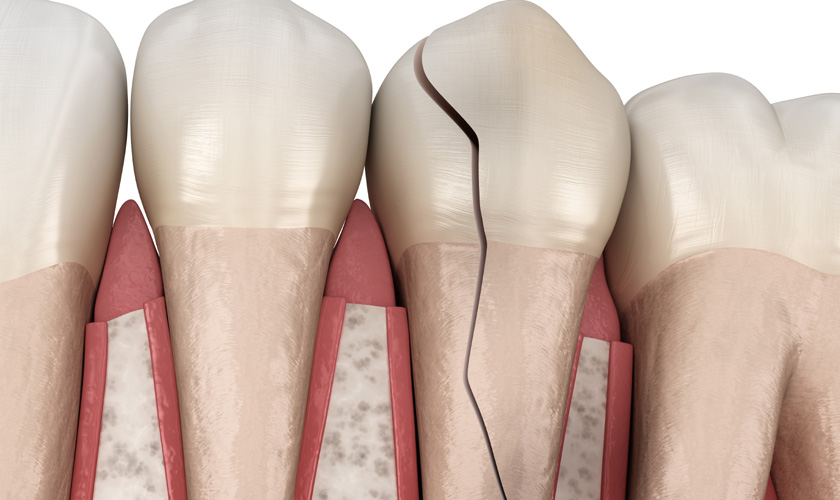
If you have suffered a chipped or broken tooth, rinse your mouth with warm water. After that, try to find and save any broken pieces and apply a cold compress to the outside of your cheek to control swelling. If you are experiencing bleeding, apply gauze to the area with gentle pressure for about ten minutes.
3. Lost Filling or Crown
When this type of dental emergency occurs, clean the area with warm water. If you have it on hand, dental cement or a piece of sugar-free gum can temporarily cover the exposed area and protect it until your appointment. Avoid chewing on that side of your mouth in the meantime.
4. Abscess or Swelling
If you are experiencing swelling or have an abscess in your mouth, rinse with a saltwater solution, made with about half a teaspoon of salt in eight ounces of warm water, several times a day. This can ease discomfort and help draw the infection toward the surface. An abscess will not resolve on its own, so this step is meant to manage symptoms only until you can see a dental professional.
5. Knocked-Out Tooth
While our teeth are strong, it is possible for them to be knocked out with the right amount of force. If this happens to you or a family member, pick up the tooth by the crown, never by the root, and rinse it gently with water without scrubbing. Try to place it back in its socket facing the right way. If it will not stay in place, hold it in your mouth against your cheek or store it in a small container of milk until you can get help from an emergency dentist. A tooth has the best chance of being saved when it is reinserted or preserved properly within about an hour.
6. Jaw Injury
If you or a loved one has an injured jaw, keep the face as still as possible and avoid opening or closing the mouth more than necessary. A jaw injury should be treated as an urgent situation, so seek immediate help from an emergency dentist or, for a suspected fracture, an emergency room.
Soft Tissue Injuries to the Lips, Cheeks, or Gums
Cuts to the tongue, cheeks, lips, or gums often look more alarming than they are because these tissues are well supplied with blood. Rinse the area gently with a saltwater solution, then apply pressure with a clean, damp piece of gauze for 15 to 20 minutes. A cold compress on the outside of the mouth can help control swelling. If bleeding does not slow after steady pressure, seek care right away.
Building an At-Home Dental Emergency Kit
Having a few supplies on hand before an emergency happens makes it much easier to respond calmly when one does. Talk to your dentist about what to include, but most kits benefit from gauze, a small container with a lid for a knocked-out tooth, sugar-free gum or temporary filling material, salt for a rinse, and an over-the-counter pain reliever. Keeping this kit with your regular first aid supplies means you will not be searching for items while also managing pain.
When a Situation Calls for the Emergency Room Instead of a Dentist
Most dental emergencies, including knocked-out or broken teeth, are best handled by a dentist rather than a hospital emergency room, since ERs are typically not equipped to reinsert a tooth or place a permanent restoration. That said, a few situations do call for the ER: a suspected broken or dislocated jaw, uncontrolled bleeding that does not slow with steady pressure, facial swelling that is spreading quickly or affecting your ability to breathe or swallow, or a high fever accompanying a dental infection. If you are ever unsure which type of care you need, calling your dentist first is a good starting point, since many practices can help you decide over the phone before you head anywhere.
Reducing the Odds of a Future Emergency
While not every dental emergency can be prevented, a few habits meaningfully lower the risk. Wearing a properly fitted mouth guard during contact sports protects against the chipped and knocked-out teeth that are common on the field or court. Avoiding habits like chewing on ice, pens, or other hard objects reduces the risk of a cracked tooth. Keeping up with routine checkups also matters, since a small cavity or a weakened filling that goes unnoticed is far more likely to turn into a same-day emergency later on. If you are catching up on care after a busy stretch, our post on the most common causes of dental emergencies is a good next read.
Get Professional Help for Dental Emergencies
At Advanced Family & Cosmetic Dentistry, we understand how frightening and stressful dental emergencies can be. Whether you are dealing with a severe toothache, a chipped tooth, or a knocked-out tooth, we are here to offer immediate and compassionate care. Our team’s experience with emergency dental care means you will receive prompt, thorough treatment when you need it most, and you can review what a typical visit looks like on our emergency dental care: what to expect page.
Don’t let a dental emergency disrupt your life longer than it needs to — contact us today so we can help restore your comfort and smile. Call us at (860) 347-1227 or use our contact form.
Frequently Asked Questions About Dental Emergencies
How long can a knocked-out tooth survive outside the mouth?
A knocked-out tooth has the best chance of being saved when it is reinserted or properly preserved within about an hour. Storing it in milk or holding it gently in place against the inside of your cheek can help keep it viable until you reach a dentist.
Should I go to the emergency room for a dental emergency?
Most dental emergencies, including broken or knocked-out teeth, are handled more effectively by a dentist than an emergency room. The ER is the right call for a suspected jaw fracture, uncontrolled bleeding, or facial swelling that is spreading quickly or affecting breathing.
What should I keep in an at-home dental emergency kit?
A basic kit typically includes gauze, a small lidded container for a knocked-out tooth, sugar-free gum or temporary filling material, salt for a rinse, and an over-the-counter pain reliever. Keeping it near your regular first aid supplies makes it easy to find during a stressful moment.
Is it safe to take pain relievers before seeing an emergency dentist?
Over-the-counter pain relievers such as acetaminophen or ibuprofen are generally fine to manage discomfort while you arrange care. Avoid placing aspirin or any painkiller directly against the gum or tooth, since this can burn the soft tissue instead of easing pain.
How can I lower my risk of a dental emergency?
Wearing a properly fitted mouth guard during sports, avoiding habits like chewing ice or pens, and keeping up with routine dental checkups all reduce the odds of an unexpected emergency. Catching small issues early is one of the most effective forms of prevention.

Dr. John Pavlakis | Cosmetic Dentist
Dr. John Pavlakis, a graduate of the University at Buffalo School of Dental Medicine, brings years of expertise and a commitment to patient-centered care. Staying at the forefront of dental advancements, he is an active member of leading dental organizations. Known for his compassionate approach, Dr. Pavlakis ensures patients feel heard and comfortable, providing top-tier cosmetic and general dentistry at Advanced Family & Cosmetic Dentistry in Middletown, CT.