717 Newfield St. Middletown, CT 06457


Last Updated: August 4, 2026
Medically Reviewed By:
Dr. John Pavlakis, Cosmetic Dentist
Yes, and in many cases, you may still be a good candidate for Invisalign even if you’re missing one or more teeth. The answer depends on how many teeth are missing, where they sit in your arch, and what your alignment goals are. Invisalign is a flexible system, and with the right treatment plan, gaps in your smile can often be addressed rather than disqualifying you from care altogether. That said, some situations call for a more coordinated approach before or during orthodontic treatment.
At Advanced Family & Cosmetic Dentistry in Middletown dentist, CT, we evaluate each patient’s full oral health picture before recommending any course of action. Our Invisalign consultations include detailed digital imaging and a thorough review of your teeth, gums, and bone structure so we can give you an honest, accurate picture of what’s possible for your smile.
What Happens to Your Teeth When One Is Missing
When a tooth is missing, the surrounding teeth don’t simply stay in place. Adjacent teeth naturally drift toward the gap, and opposing teeth in the other arch may begin to shift as well. Over time, this movement can alter your bite, create new alignment issues, and place unnecessary stress on your jaw. If you’ve been living with a missing tooth, the timeline for addressing it matters more than many patients realize.
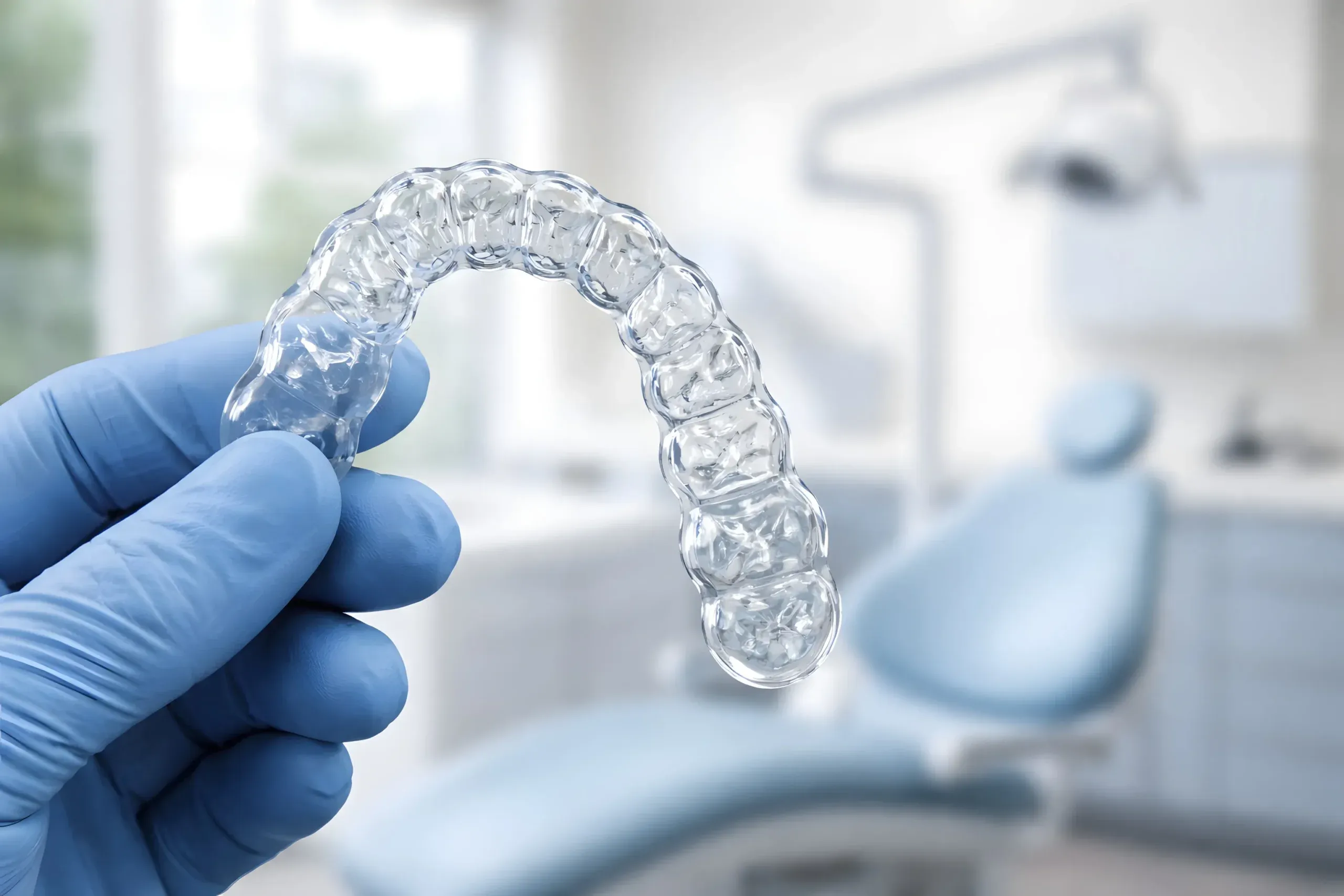
Invisalign works by applying gentle, consistent pressure through a series of custom-fitted aligner trays. When a gap exists in your arch, the trays are designed around your current dentition, including the space. In some cases, a tooth-colored pontic can be bonded into the aligner itself to fill the gap aesthetically while treatment is in progress, giving you a more complete-looking smile throughout the process.
 When Missing Teeth Make Clear Aligner Treatment More Complex
 When Missing Teeth Make Clear Aligner Treatment More Complex
Not every situation is straightforward, and it’s worth understanding when missing teeth may complicate your treatment plan. A 2024 narrative review published in the National Institutes of Health’s PMC database identifies cases involving multiple missing teeth as a contraindication for clear aligner therapy. When several teeth are absent, the biomechanics of guiding the remaining teeth become significantly more involved, and clear aligners may not deliver the results you’re looking for on their own.
In these situations, restoring the missing teeth first is often the right move. A dental implant is one of the most reliable ways to replace a missing tooth prior to orthodontic treatment. Because implants are fused to the jawbone, they provide a stable anchor for your bite and give the Invisalign system a reliable foundation to work from. In other cases, Invisalign is used first to create the ideal space for an implant, with the restoration placed once alignment is complete.
What We Look at During Your Evaluation
A thorough consultation shapes every recommendation we make. When you come in, we’ll review several factors before outlining a treatment plan:
- The number of missing teeth and where they fall in the arch
- Whether adjacent teeth have already shifted into the gap
- The current health of your gums and underlying bone
- Your overall bite and alignment objectives
These details determine whether Invisalign in Middletown may work for you as-is, whether a combined restorative and orthodontic approach is needed, or whether a different option may serve you better. If you’ve been exploring alternatives to braces, this kind of thorough evaluation is where the right path becomes clear.
Combining Invisalign With Tooth Replacement
One of the advantages of receiving care at a full-service practice is the ability to coordinate multiple phases of treatment under one roof. If you need an implant, a bridge, or another restoration alongside your Invisalign treatment, we sequence each phase so one sets the next up for success. For patients working toward a smile makeover, this kind of integrated planning often makes the difference between a good outcome and a great one.
It’s also worth noting the role of drifting in the design of your final restoration. Gaps between teeth caused by migration over time may be closed or reduced with Invisalign, which can affect the sizing and placement of any future dental work. We always plan with the end result in mind, so each phase of your care builds toward the smile you’re working toward.
Advanced Family & Cosmetic Dentistry
Missing teeth don’t automatically rule out Invisalign. In many cases, with the right planning and sequencing, you may be an excellent candidate for clear aligner treatment. Dr. Pavlakis and our team use advanced 3D CBCT scanning to evaluate your teeth, roots, and bone structure in detail before recommending any orthodontic or restorative work. That level of precision allows us to plan confidently and give you a realistic sense of what your treatment journey can look like.
If you have questions about your smile or are ready to find out what’s possible, we invite you to contact us to schedule a consultation with our team in Middletown.
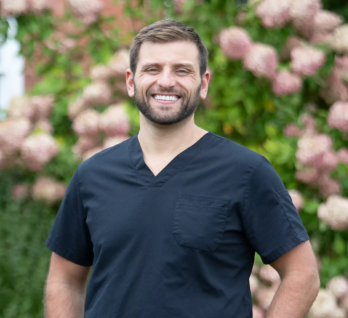
Dr. John Pavlakis | Cosmetic Dentist
Dr. John Pavlakis, a graduate of the University at Buffalo School of Dental Medicine, brings years of expertise and a commitment to patient-centered care. Staying at the forefront of dental advancements, he is an active member of leading dental organizations. Known for his compassionate approach, Dr. Pavlakis ensures patients feel heard and comfortable, providing top-tier cosmetic and general dentistry at Advanced Family & Cosmetic Dentistry in Middletown, CT.