717 Newfield St. Middletown, CT 06457


Last Updated: August 10, 2026
Medically Reviewed By:
Dr. John Pavlakis, Cosmetic Dentist
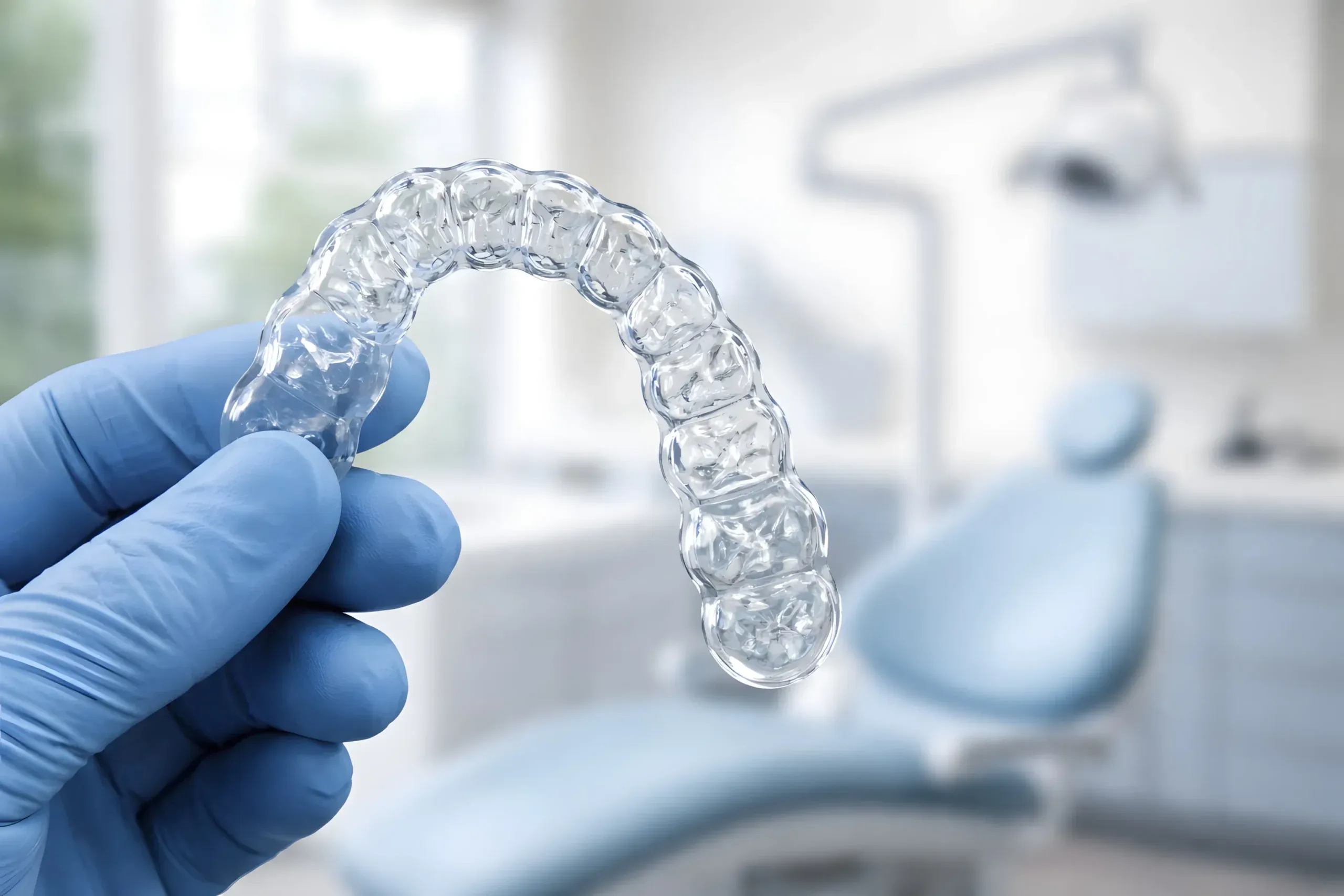
Invisalign has become the leading alternative to traditional braces because it straightens teeth using a series of clear, custom-made aligners rather than metal brackets and wires. For most adults and teens with mild to moderate misalignment, it offers a way to improve their smile without the appearance, food restrictions, or brushing challenges that come with fixed braces.
Advancements in orthodontic technology have made straightening teeth easier and more discreet than ever, and Invisalign has revolutionized the way people approach the process. Below, we walk through the specific reasons patients at Advanced Family & Cosmetic Dentistry choose Invisalign treatment, along with the practical tradeoffs worth understanding before you start.
Virtually Invisible
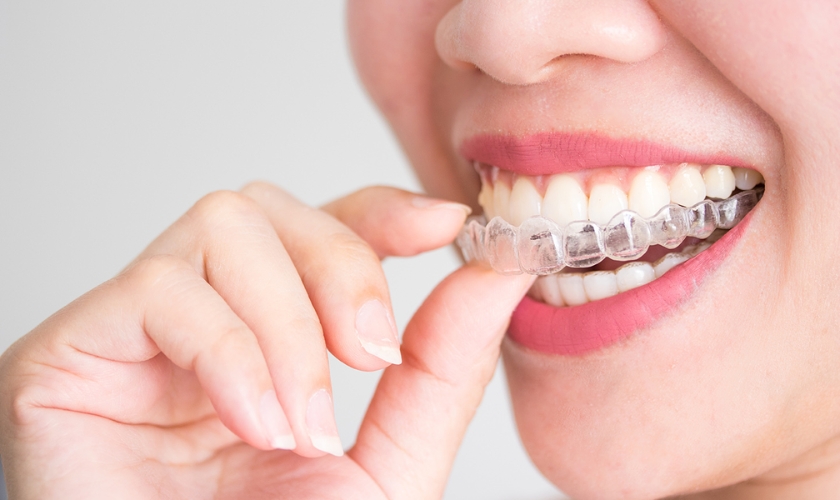
One of the most significant advantages of Invisalign is its discreet appearance. Unlike traditional braces, which are noticeable and can sometimes cause self-consciousness, Invisalign aligners are virtually invisible when worn. This allows individuals to straighten their teeth without drawing attention to their orthodontic treatment, which matters just as much to self-conscious teens as it does to adults in professional settings.
Comfortable and Customized
Invisalign aligners are made from smooth, comfortable plastic material, making them much more comfortable to wear than traditional braces. Each set of aligners is custom-made from a 3D scan of your teeth to fit snugly over them, ensuring a comfortable and precise fit. With Invisalign, there are no uncomfortable wires or brackets to irritate the inside of your mouth, though some mild pressure or soreness when switching to a new set of aligners is normal and expected, much like it would be with traditional braces.
Removable for Convenience
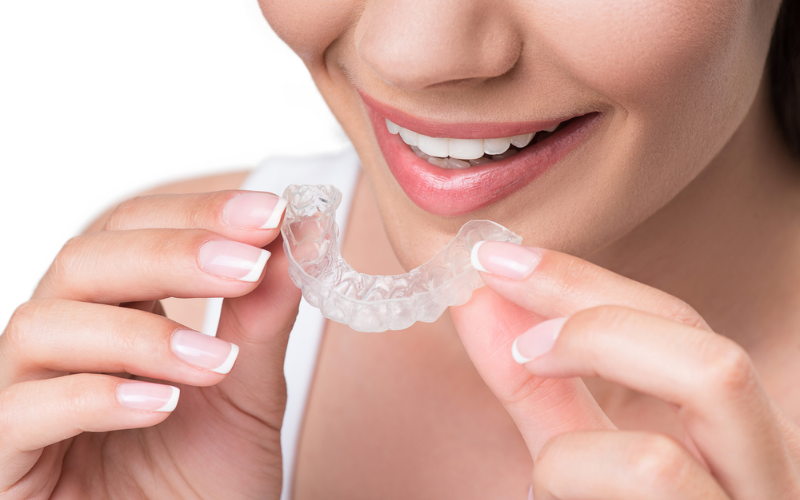
Unlike traditional braces, which are fixed to the teeth for the duration of treatment, Invisalign aligners are removable. This means you can take them out to eat, drink, brush, and floss, allowing for more flexibility in your daily life. Whether you’re enjoying a meal with friends or attending a special event, Invisalign lets you maintain your normal routine without the dietary restrictions that come with braces.
Easier to Keep Your Mouth Clean
Maintaining good oral hygiene is essential, especially during orthodontic treatment. With traditional braces, food particles can become trapped around brackets and wires, leading to plaque buildup and a higher risk of tooth decay and gum disease. Because Invisalign aligners come out, you can brush and floss exactly as you did before treatment. That said, the aligners themselves need regular cleaning to avoid trapping bacteria against your teeth, which is a habit worth building from day one.
Predictable, Visualized Results
Invisalign treatment uses 3D imaging technology to create a digital model of your teeth and map out the specific movements needed to reach your final result. This allows you to see a virtual preview of your outcome before treatment even begins, which gives most patients real confidence in the process. Consistent wear leads to consistent, predictable results, and your dentist can track your progress against that original digital plan at each visit.
What Invisalign Can and Cannot Treat
Invisalign is highly effective for many common alignment issues, including crowded teeth, gaps between teeth, and mild to moderate overbite, underbite, or crossbite concerns. More complex or severe misalignment cases sometimes respond better to traditional braces, particularly when significant jaw repositioning is needed. This is not a reason to rule Invisalign out on your own, since treatment planning has advanced considerably. A consultation with imaging is the most reliable way to find out which category your case falls into.
What Invisalign Requires From You
Invisalign’s biggest advantage, the fact that you can remove it, is also the area where patient discipline matters most. For the best results, aligners need to be worn 20 to 22 hours a day, which means they only come out to eat, drink anything besides water, and clean your teeth. Patients who are not consistent about wearing their trays or who lose them frequently may see their treatment take longer than planned. If you know you have a busy or unpredictable schedule, it’s worth discussing realistic expectations with your dentist before you begin.
How Invisalign Compares on Cost and Treatment Time
Invisalign and traditional braces are often comparable in cost, with the exact price depending on the complexity of your case and your insurance coverage. Treatment time varies by individual, but many cases are completed in a comparable timeframe to braces, sometimes faster for milder cases since much of the planning happens digitally before treatment starts. Fewer in-office adjustment visits are typically needed compared to traditional braces, since most of the movement is mapped out in advance.
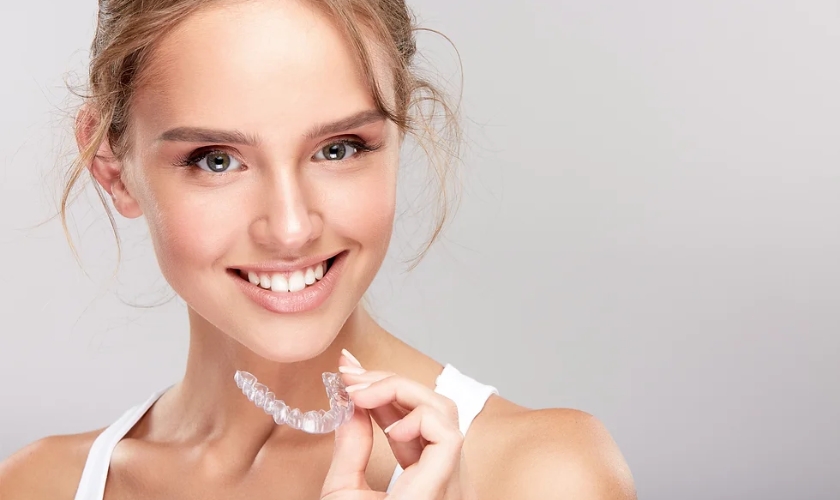
Invisalign offers a modern, effective way to straighten teeth for patients who qualify, combining a discreet appearance with the flexibility to keep eating, brushing, and living the way you already do. If you’re ready to find out whether Invisalign is the right fit for your smile, schedule a consultation with our team today. We’ll walk you through a digital preview of your results and build a treatment plan tailored to your goals. If you’re weighing your options further, our post on maintaining oral health with Invisalign is a helpful next read, and good oral hygiene habits will serve you well throughout treatment either way.
Frequently Asked Questions About Choosing Invisalign
Is Invisalign as effective as traditional braces?
Invisalign is highly effective for crowded teeth, gaps, and mild to moderate bite issues. More severe or complex misalignment sometimes responds better to traditional braces, so a consultation with imaging is the best way to determine which option fits your case.
How many hours a day do I need to wear my Invisalign aligners?
Most patients need to wear their aligners 20 to 22 hours a day for treatment to progress on schedule. Removing them only to eat, drink anything besides water, and clean your teeth helps keep your treatment timeline on track.
Is Invisalign more expensive than braces?
Invisalign and traditional braces are often comparable in cost, with the exact price depending on the complexity of your case and your insurance coverage. Your dentist can provide a specific estimate once your treatment plan is mapped out.
Can adults and teens both use Invisalign?
Yes, Invisalign is used by teens and adults alike. Its removable, virtually invisible design is popular with self-conscious teens and working adults who want to straighten their teeth without a noticeable orthodontic appliance.
What happens if I don’t wear my aligners as much as I should?
Inconsistent wear is the most common reason Invisalign treatment takes longer than originally planned. Sticking close to the recommended 20 to 22 hours a day keeps your teeth moving on the schedule mapped out in your digital treatment plan.

Dr. John Pavlakis | Cosmetic Dentist
Dr. John Pavlakis, a graduate of the University at Buffalo School of Dental Medicine, brings years of expertise and a commitment to patient-centered care. Staying at the forefront of dental advancements, he is an active member of leading dental organizations. Known for his compassionate approach, Dr. Pavlakis ensures patients feel heard and comfortable, providing top-tier cosmetic and general dentistry at Advanced Family & Cosmetic Dentistry in Middletown, CT.