717 Newfield St. Middletown, CT 06457


Last Updated: August 10, 2026
Medically Reviewed By:
Dr. John Pavlakis, Cosmetic Dentist
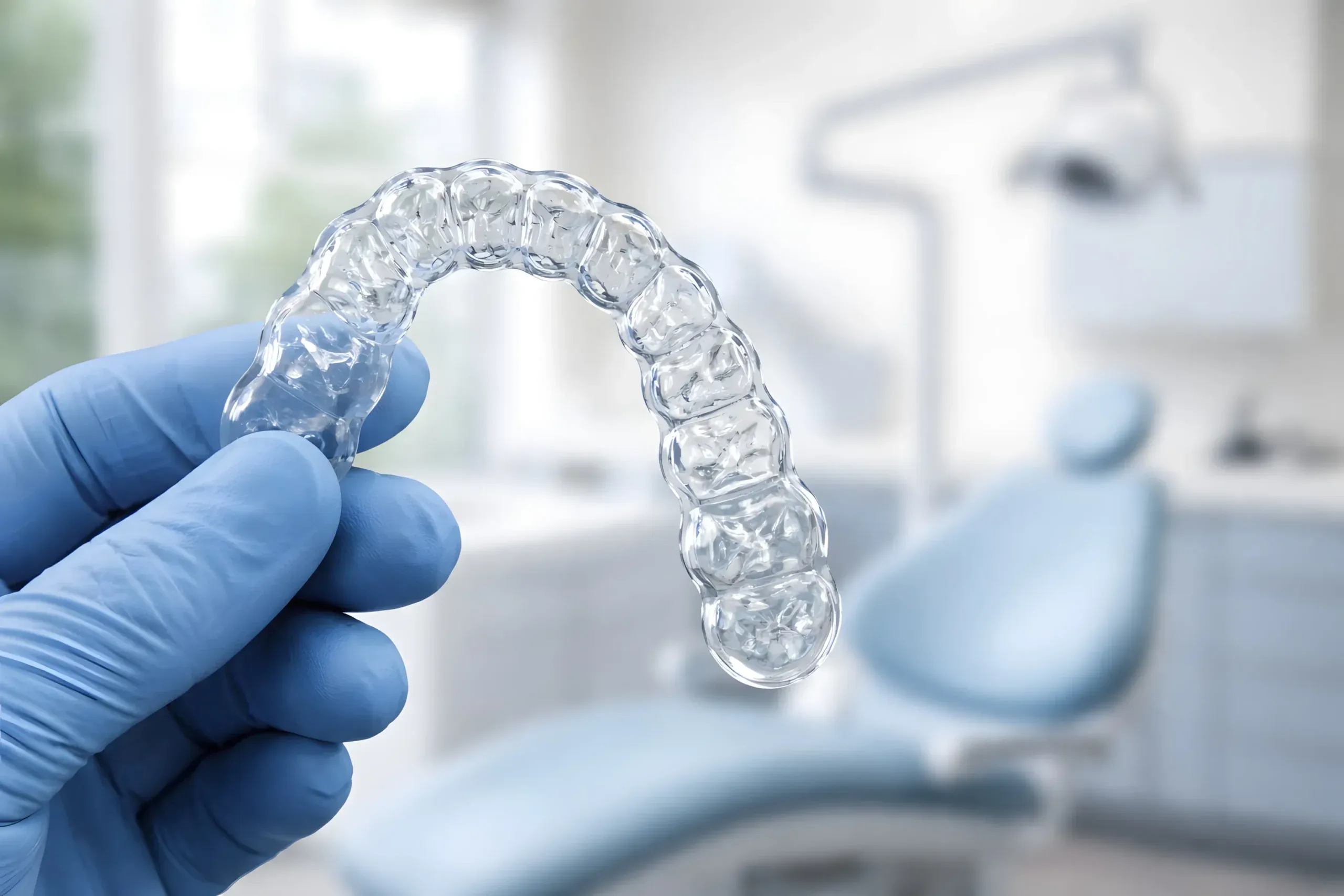
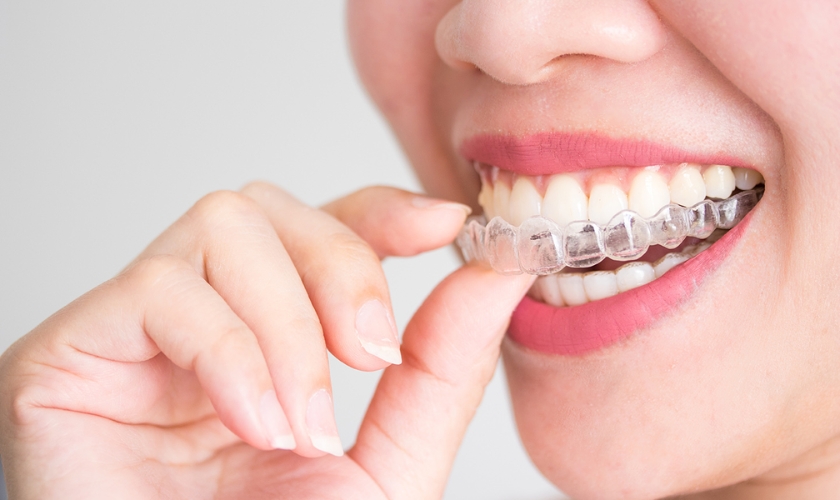
Invisalign can support better oral health during treatment, but only if the aligners themselves get as much attention as your teeth. Because the trays sit against your enamel and gum line for 20 to 22 hours a day, any food particles, bacteria, or plaque that get trapped underneath stay in close contact with your teeth far longer than they would with removable retainers you take out less often. The good news is that a few consistent habits are usually enough to keep both your smile and your treatment on track.
At Invisalign treatment through Advanced Family & Cosmetic Dentistry in Middletown, we walk every patient through the specific care routine that fits their case before their first tray ever goes in. Dr. Pavlakis has guided patients through clear aligner treatment for years, and the guidance below reflects the habits that consistently lead to smoother, more predictable results.
Why Clean Aligners Matter as Much as Clean Teeth
Traditional metal braces are fixed to your teeth, so plaque tends to build up around the brackets and wires rather than underneath a sealed surface. Invisalign works differently. Once a tray is seated, it creates a close-fitting shell over your teeth for most of the day. If food debris or bacteria get trapped between the aligner and your enamel, that environment can encourage plaque formation, bad breath, and a higher risk of decay or gum irritation, particularly along the gumline where the tray edge sits.
A 2023 review of clear aligner therapy published through the National Center for Biotechnology Information found that aligners can actually support oral health and a more favorable oral microbiome when patients maintain consistent hygiene, but the same review noted that poor aligner care can shift that balance in the other direction. In other words, Invisalign does not guarantee better oral health on its own. The outcome depends heavily on the habits you build during treatment.
Building a Daily Routine for Your Teeth and Your Trays
The routine that works best follows a simple order: clean your teeth first, then clean your aligners, then reinsert. Skipping steps or doing them out of order is where most problems start.
Caring for Your Teeth Before Trays Go Back In
Brush and floss after every meal or snack before placing your aligners back in, not just at your normal morning and evening brushing times. If you cannot brush right away, at least rinse thoroughly with water to clear loose debris. Flossing matters just as much as brushing here, since anything trapped between teeth gets sealed against your enamel the moment the tray goes back on.
Caring for the Aligners Themselves
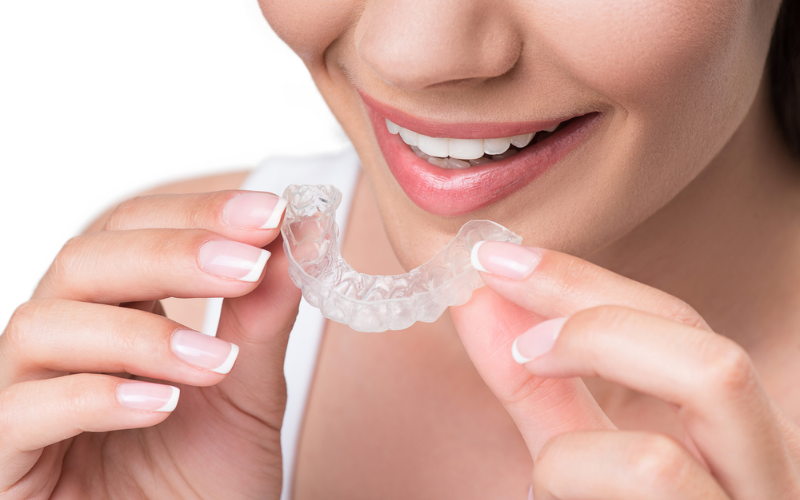
Rinse each tray with lukewarm water every time you take it out, and brush it gently with a soft toothbrush at least twice a day. Avoid toothpaste on the aligners themselves, especially whitening formulas or anything containing baking soda, since these can be abrasive enough to create tiny scratches where bacteria can collect. Many patients also use Invisalign cleaning crystals or a denture-cleaning tablet dissolved in water a few times a week for a deeper clean, and a protective case prevents the trays from picking up bacteria when they are out of your mouth.
Foods, Drinks, and Habits That Work Against Your Treatment
Invisalign does not restrict what you eat the way braces do, since you remove the trays before eating. That flexibility comes with a tradeoff: it is easy to develop habits that quietly undermine your results. A few things are worth watching for:
- Drinking anything but water with trays in: Coffee, tea, wine, and soda can stain both your teeth and the aligners, and sugary or acidic drinks left in contact with your enamel for hours raise your risk of cavities.
- Hot water on your aligners: Heat can warp the plastic and change the fit, so stick to lukewarm water for rinsing and cleaning.
- Reinserting trays without brushing: Sealing food particles against your teeth for hours is one of the most common causes of decay during clear aligner treatment.
- Using bleach, alcohol-based mouthwash, or harsh chemicals on trays: These can damage the material and, in some cases, irritate your gums.
None of these habits are difficult to avoid once you know to watch for them, and most patients adjust within the first week or two of treatment.
Staying Consistent With Checkups and Professional Cleanings
Even while undergoing Invisalign treatment, it is essential to attend regular dental check-ups. Your dentist can monitor your progress, address any concerns, and provide professional cleaning to reach the plaque and buildup that a home routine alone cannot fully remove. Regular visits also give your dental team the chance to check your gum health, since gum tenderness or bleeding around the tray edges is one of the first signs that a cleaning routine needs adjusting. Patients who keep up with routine preventative dentistry visits throughout their Invisalign treatment tend to move through their aligner series with fewer complications.
Signs Your Cleaning Routine Needs Adjusting
A few warning signs are worth acting on right away rather than waiting for your next scheduled visit. Aligners that look cloudy or feel gritty usually mean bacteria or mineral buildup has gotten ahead of your cleaning routine. Persistent bad breath that does not improve with brushing can point to the same issue. Gum tenderness, redness, or bleeding along the tray edge is often a sign that plaque has built up at the gumline and needs professional attention. If you notice any of these, it is worth reaching out to your dental team rather than waiting, since small issues are far easier to resolve early in treatment than after weeks of buildup.
Maintaining oral health with Invisalign comes down to a short list of consistent habits: clean your teeth before every reinsertion, clean the trays themselves on a schedule, watch what you drink while wearing them, and keep up with your regular dental visits. If you are considering Invisalign treatment or already have aligners in hand and want guidance specific to your case, our team at Advanced Family & Cosmetic Dentistry is glad to help. Contact our office to schedule a visit and get a cleaning routine tailored to your treatment plan.
Frequently Asked Questions About Invisalign and Oral Hygiene
Can I use regular toothpaste to clean my Invisalign aligners?
Regular toothpaste, especially whitening formulas, can be too abrasive for the smooth plastic aligners and may leave tiny scratches where bacteria collect. A soft toothbrush with lukewarm water or a dedicated aligner cleaning solution is a gentler and more effective choice.
How often should I clean my aligners?
Most patients rinse their aligners every time they remove them and brush them gently at least twice a day, typically alongside their morning and evening dental care routine. Soaking them a few times a week in a cleaning solution helps remove buildup that brushing alone may miss.
Why do my aligners look cloudy or have a bad smell?
Cloudiness and odor usually point to bacteria or mineral buildup from inconsistent cleaning, using hot water, or wearing the trays while drinking something other than water. Switching to a more consistent cleaning routine typically resolves the issue within a few days.
Can coffee or tea stain my Invisalign aligners?
Yes, dark beverages such as coffee, tea, wine, and soda can stain the plastic as well as your teeth. Removing your aligners before drinking anything besides water and rinsing your mouth afterward helps protect both your smile and the clarity of your trays.
Do I still need regular dental checkups while wearing Invisalign?
Yes, routine dental visits remain important throughout Invisalign treatment. Your dental team can monitor your progress, provide professional cleaning that reaches areas a home routine cannot, and catch early signs of gum irritation or decay before they become bigger issues.

Dr. John Pavlakis | Cosmetic Dentist
Dr. John Pavlakis, a graduate of the University at Buffalo School of Dental Medicine, brings years of expertise and a commitment to patient-centered care. Staying at the forefront of dental advancements, he is an active member of leading dental organizations. Known for his compassionate approach, Dr. Pavlakis ensures patients feel heard and comfortable, providing top-tier cosmetic and general dentistry at Advanced Family & Cosmetic Dentistry in Middletown, CT.