717 Newfield St. Middletown, CT 06457


Last Updated: May 28, 2026
Medically Reviewed By:
Dr. John Pavlakis, Cosmetic Dentist
Sharp, shooting tooth pain can strike without warning, transforming a peaceful moment into an urgent need for relief. This sudden, electric-like sensation often signals an underlying dental issue requiring professional attention. Whether triggered by a sip of cold water, a bite of something sweet, or seemingly appearing from nowhere, these painful jolts indicate your teeth are trying to tell you something important about your oral health.
Several common culprits can cause these intense bursts of dental pain, from exposed tooth nerves to developing cavities, cracked teeth, or gum disease. Understanding the source of your discomfort helps determine the most effective treatment approach. At Advanced Family & Cosmetic Dentistry, we diagnose and treat the root causes of tooth pain, providing lasting relief while preserving your natural teeth whenever possible.
Dental Cavities and Tooth Decay
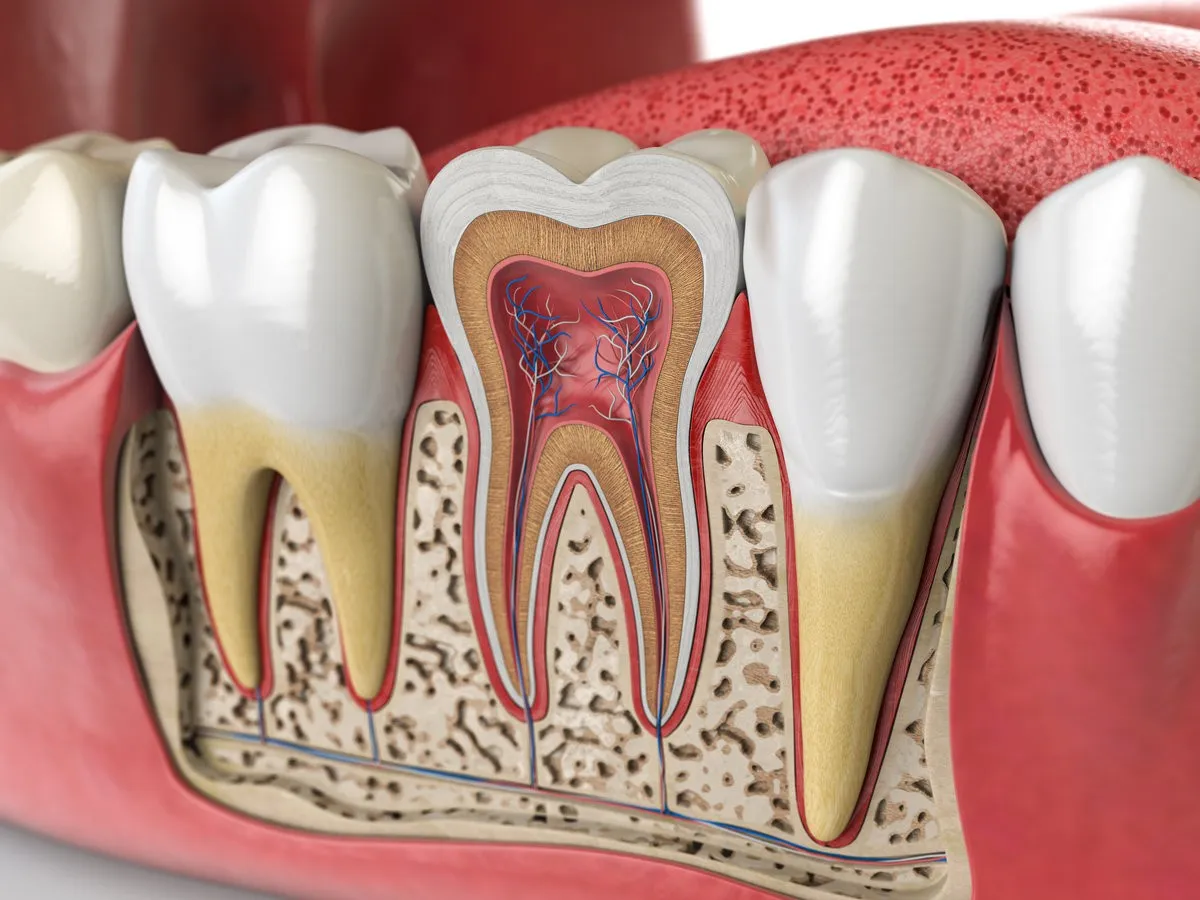
Cavities remain one of the most frequent causes of sharp tooth pain. As bacteria produce acid that erodes tooth enamel, small holes develop that expose the sensitive dentin layer underneath. This exposure creates pathways for hot, cold, sweet, or acidic substances to reach nerve endings, triggering sudden pain.
Stages of Cavity Pain
Early-stage cavities might only cause occasional discomfort, but pain intensifies as decay progresses:
- Surface-level decay: Brief sensitivity to sweets or temperature changes
- Moderate decay: Increased frequency of sharp pain, especially when eating
- Deep decay: Prolonged, throbbing pain that may wake you at night
- Pulp involvement: Constant, severe pain requiring immediate attention
The location and depth of decay significantly influence pain patterns. Regular professional cleanings help detect cavities early before they cause significant discomfort.
Exposed Tooth Roots and Sensitivity
Receding gums expose tooth roots that lack protective enamel covering, leaving thousands of microscopic tubules open to external stimuli. These tiny channels lead directly to the tooth’s nerve center, creating sharp pain when triggered by temperature changes, pressure, or certain foods.
Common Causes of Root Exposure
- Aggressive brushing with hard-bristled toothbrushes
- Periodontal disease causing gum tissue loss
- Natural aging and gum recession
- Teeth grinding that damages gum attachment
- Tobacco use affecting gum health
Tooth sensitivity differs from other dental pain because it typically responds predictably to specific triggers and subsides quickly once the stimulus is removed. Special desensitizing treatments and proper oral care techniques can significantly reduce this type of discomfort.
Cracked or Fractured Teeth
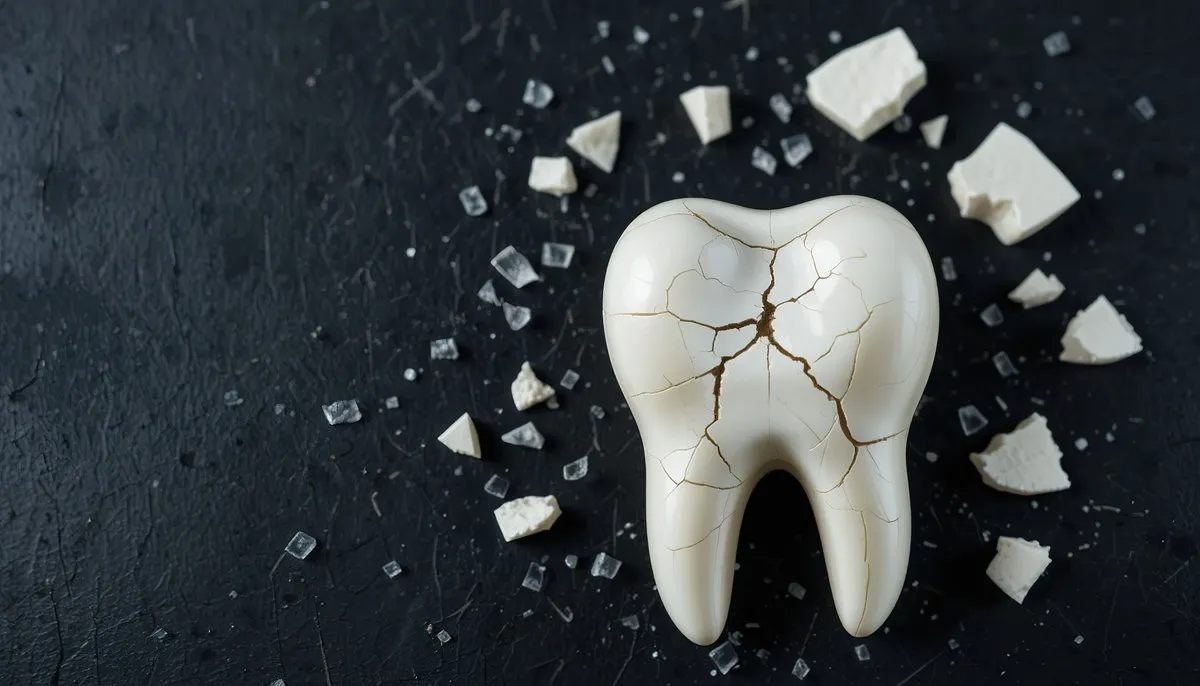
Hairline cracks in teeth often cause intermittent sharp pain that’s challenging to diagnose. These fractures might be invisible to the naked eye but create significant discomfort when chewing or when teeth are exposed to temperature extremes.
Types of Tooth Fractures
- Craze lines: Superficial cracks in enamel that rarely cause pain
- Fractured cusp: Broken piece of chewing surface causing sharp pain when biting
- Vertical root fracture: Crack extending from root upward, often requiring extraction
- Split tooth: Complete fracture dividing tooth into segments
The crack acts like a fault line, allowing movement within the tooth structure that irritates the nerve. Pain occurs when biting pressure causes the crack to open slightly, and relief comes when pressure releases and the crack closes. Research indicates that early detection and treatment of cracked teeth significantly improves outcomes.
Dental Abscess and Infection
An abscessed tooth represents a serious infection requiring immediate attention. When bacteria penetrate deep into the tooth through untreated cavities or cracks, they can infect the pulp and surrounding tissues. This infection creates pressure buildup, causing intense, throbbing pain that often worsens when lying down.
Warning Signs of Dental Abscess
- Persistent, severe throbbing pain
- Facial or jaw swelling
- Fever and general malaise
- Bad taste or foul odor in mouth
- Swollen, tender lymph nodes
- Pain that radiates to ear, jaw, or neck
The infection can spread to surrounding tissues and even become life-threatening if left untreated. Emergency dental care becomes essential to drain the infection and save the tooth when possible.
Teeth Grinding and TMJ Issues
Chronic teeth grinding (bruxism) and temporomandibular joint disorders can cause sharp, shooting pain that mimics tooth problems. The excessive pressure from grinding wears down enamel, creates microfractures, and strains the ligaments holding teeth in place.
Effects of Chronic Grinding
- Enamel erosion exposing sensitive dentin
- Microfractures in tooth structure
- Loosened teeth from ligament damage
- Jaw muscle fatigue and pain
- Headaches and earaches
- Increased tooth sensitivity
TMJ dysfunction adds another layer of complexity, as jaw joint problems can radiate pain to teeth, making it feel like dental issues when the problem originates in the jaw muscles and joints. Custom night guards can protect teeth from grinding damage while addressing the underlying cause provides long-term relief.
Shooting Pain Treatment Options For Your Teeth
Effective treatment depends on accurately identifying the pain’s source. Modern diagnostic tools help pinpoint the exact cause of your discomfort.
- Fillings: For cavities and minor tooth damage
- Desensitizing treatments: For exposed roots and sensitivity
- Root canal therapy: For infected or severely damaged teeth
- Dental crowns: To protect and strengthen cracked teeth
- Extraction: For teeth too damaged to save
- Bite adjustments: To relieve pressure from misalignment
Early intervention when you first notice sensitivity or discomfort often prevents more extensive treatment later. Regular visits for root canal therapy evaluation can catch problems before they become painful emergencies.
Find Relief at Advanced Family & Cosmetic Dentistry
Don’t let sharp tooth pain disrupt your life any longer. At Advanced Family & Cosmetic Dentistry, Dr. Pavlakis combines advanced diagnostic technology with compassionate care to identify and treat the source of your dental discomfort. As a non-restricted provider, we have the freedom to create customized treatment plans focused on your health rather than insurance limitations, while our trained office manager fights to maximize your insurance reimbursement—giving you the best of both worlds.
With same-day services available for emergency relief and a commitment to painless dentistry, we make addressing tooth pain as comfortable as possible. Dr. Pavlakis personally follows up after appointments to ensure your continued comfort and satisfaction. Visit our contact page to schedule your consultation. Learn more about Dr. Pavlakis and our approach to comprehensive dental care that prioritizes your oral health and quality of life.

Dr. John Pavlakis | Cosmetic Dentist
Dr. John Pavlakis, a graduate of the University at Buffalo School of Dental Medicine, brings years of expertise and a commitment to patient-centered care. Staying at the forefront of dental advancements, he is an active member of leading dental organizations. Known for his compassionate approach, Dr. Pavlakis ensures patients feel heard and comfortable, providing top-tier cosmetic and general dentistry at Advanced Family & Cosmetic Dentistry in Middletown, CT.