717 Newfield St. Middletown, CT 06457


Last Updated: May 28, 2026
Medically Reviewed By:
Dr. John Pavlakis, Cosmetic Dentist
Experiencing increased pain after root canal therapy can be alarming, especially when you expect the procedure to eliminate your discomfort. While some tenderness is normal immediately following treatment, worsening pain requires attention and proper evaluation. If your tooth pain intensifies rather than improves after a root canal, contact your dentist immediately for assessment, as this could indicate infection, incomplete treatment, or other complications requiring prompt intervention.
Most patients experience gradual improvement after root canal therapy, with minor soreness subsiding within a few days. However, when pain escalates or new symptoms develop, your tooth is signaling that additional care may be necessary. At Advanced Family & Cosmetic Dentistry, we closely monitor post-procedure recovery and provide immediate attention when complications arise, ensuring successful treatment outcomes and lasting relief.
Understanding Normal vs. Abnormal Post-Root Canal Pain
Distinguishing between expected healing discomfort and problematic pain helps determine when intervention is necessary.
Normal Post-Procedure Symptoms
Typical recovery after root canal therapy includes:
- Mild tenderness: Soreness when biting or touching the tooth for two to three days
- Gum sensitivity: Slight inflammation around the treated tooth
- Jaw discomfort: Achiness from keeping mouth open during procedure
- Pressure sensation: Feeling of fullness in the treated area
- Temperature sensitivity: Brief reaction to hot or cold that quickly fades
These symptoms should progressively improve each day. Over-the-counter pain relievers typically manage normal post-procedure discomfort effectively.
Warning Signs of Complications
Seek immediate dental attention if you experience:
- Pain intensifying after day three
- Severe throbbing that prevents sleep
- Visible swelling in face or gums
- Return of original infection symptoms
- Fever or general feeling of illness
- Persistent bad taste or odor
- Loose temporary filling or crown
These symptoms suggest your root canal may require additional treatment or that complications have developed.
Common Reasons for Increased Pain After Root Canal Therapy
Several factors can cause worsening discomfort after root canal therapy. Understanding these possibilities helps your dentist diagnose and address the issue effectively.
Residual Infection
Sometimes bacteria remain despite thorough cleaning:
- Hidden canals: Extra nerve canals not visible on initial X-rays may harbor infection
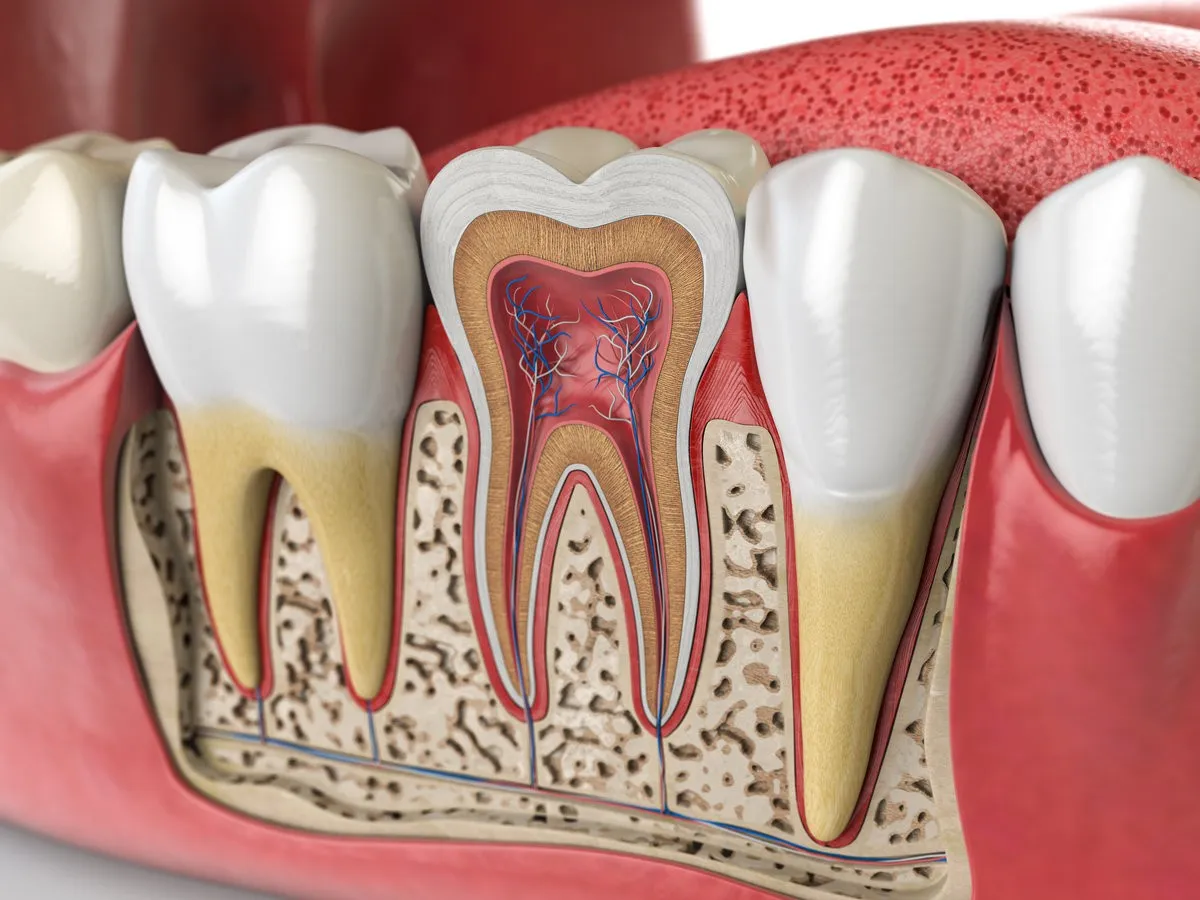
- Complex root anatomy: Curved or branched roots can be challenging to clean completely
- Resistant bacteria: Some infections require additional antimicrobial treatment
- Biofilm formation: Bacterial colonies protected by defensive layers
Residual infection typically causes throbbing pain that worsens over time rather than improving. Additional treatment or antibiotics may be necessary to eliminate remaining bacteria.
Incomplete Treatment or Missed Canals
Root canal success depends on treating all nerve tissue:
- Undetected accessory canals containing nerve tissue
- Calcified canals difficult to locate and clean
- C-shaped canals requiring specialized techniques
- Fourth canal in molars overlooked during treatment
Modern diagnostic tools and microscopic technology help identify these challenging anatomical variations. Retreatment addressing missed canals often resolves persistent pain.
Cracked Tooth Syndrome
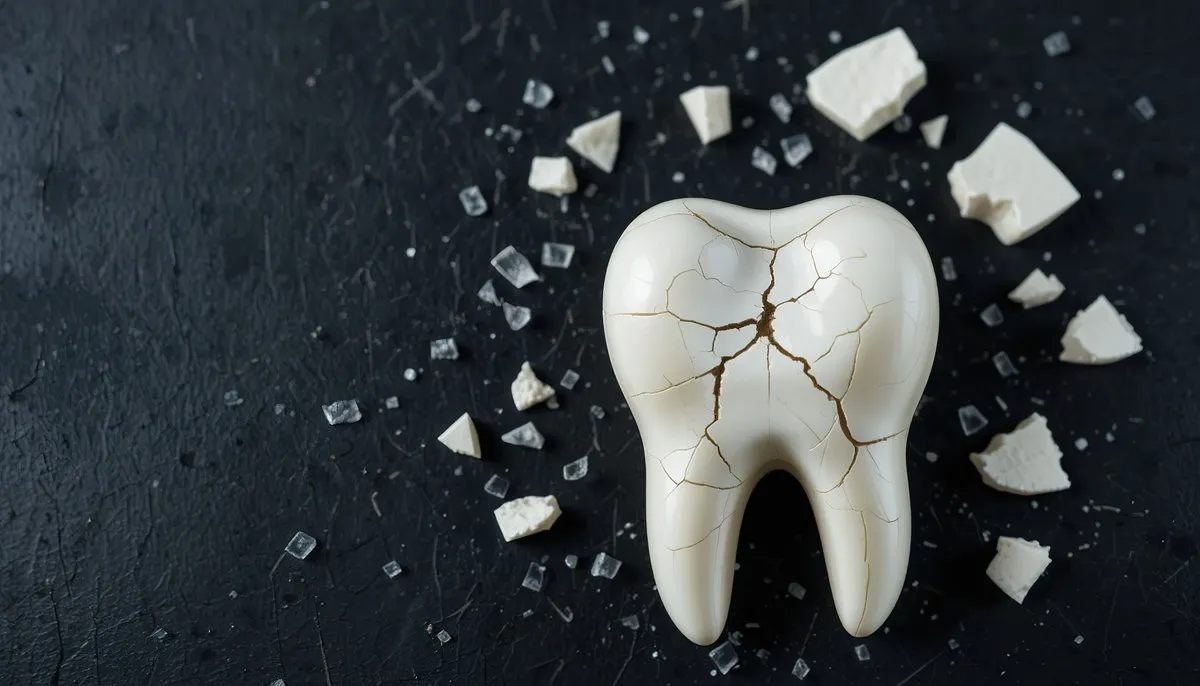
A crack in the treated tooth can cause significant post-procedure pain that mimics failed root canal symptoms.
Identifying Tooth Fractures
Cracks present unique challenges:
- Vertical fractures: May not appear on X-rays initially
- Intermittent pain: Discomfort varies with chewing pressure
- Delayed presentation: Cracks sometimes develop after treatment
- Progressive symptoms: Pain worsens as crack extends
Unfortunately, teeth with extensive cracks often cannot be saved and may require extraction. Early detection improves the chances of preserving the tooth through crowns or other protective restorations.
Immediate Steps to Take After Experiencing Tooth Pain Due to a Root Canal
When root canal pain worsens, taking appropriate action prevents complications and speeds recovery.
First 24-48 Hours
- Contact your dentist: Report worsening symptoms immediately
- Document symptoms: Note pain location, intensity, and triggers
- Apply cold compress: Reduce swelling with ice packs
- Take prescribed medications: Follow antibiotic and pain relief instructions
- Avoid chewing: Protect the treated tooth from pressure
- Maintain oral hygiene: Gentle cleaning prevents additional infection
If the pain persists past 48 hours, it is essential you contact your dentist.
Professional Evaluation
Your dentist will perform several diagnostic steps:
- Clinical examination checking for swelling or drainage
- Percussion testing to locate pain source
- Updated X-rays revealing hidden problems
- Bite assessment ensuring proper crown height
- Thermal testing evaluating nerve response
- Microscopic examination for cracks
These tests determine whether you need antibiotics, retreatment, or alternative solutions.
Treatment Options for Persistent Tooth Pain After a Root Canal
When initial root canal therapy doesn’t resolve symptoms, several approaches can provide relief.
- Medication adjustment: Stronger antibiotics or anti-inflammatory drugs
- Bite correction: Adjusting crown or filling height to relieve pressure
- Time and monitoring: Some complex cases need extended healing periods
- Laser therapy: Reducing inflammation and promoting healing
- Retreatment: Reopening tooth to clean and seal canals more thoroughly
- Apicoectomy: Removing infected root tip through gum surgery
- Intentional replantation: Extracting, treating, and reimplanting tooth
- Extraction and replacement: Removing tooth and placing dental implant
Most cases respond to retreatment, avoiding more invasive procedures. Success rates for retreatment approach 85% when performed by experienced practitioners.
Get Expert Care at Advanced Family & Cosmetic Dentistry
Don’t suffer through worsening pain after root canal treatment. At Advanced Family & Cosmetic Dentistry, Dr. Pavlakis provides comprehensive evaluation and treatment for post-procedure complications. As a non-restricted provider, we have the flexibility to spend necessary time diagnosing complex cases without insurance time limitations. Our office manager fights to maximize your reimbursement while we focus on eliminating your pain—delivering the best of both worlds in dental care.
With same-day emergency appointments available and Dr. Pavlakis’s commitment to painless dentistry, we address root canal complications quickly and comfortably. He personally follows up after procedures to ensure proper healing. Visit our contact page if you’re experiencing increased pain after root canal therapy. Learn more about Dr. Pavlakis and our patient-focused approach to resolving complex dental problems.

Dr. John Pavlakis | Cosmetic Dentist
Dr. John Pavlakis, a graduate of the University at Buffalo School of Dental Medicine, brings years of expertise and a commitment to patient-centered care. Staying at the forefront of dental advancements, he is an active member of leading dental organizations. Known for his compassionate approach, Dr. Pavlakis ensures patients feel heard and comfortable, providing top-tier cosmetic and general dentistry at Advanced Family & Cosmetic Dentistry in Middletown, CT.