717 Newfield St. Middletown, CT 06457


Last Updated: August 7, 2026
Medically Reviewed By:
Dr. John Pavlakis, Cosmetic Dentist
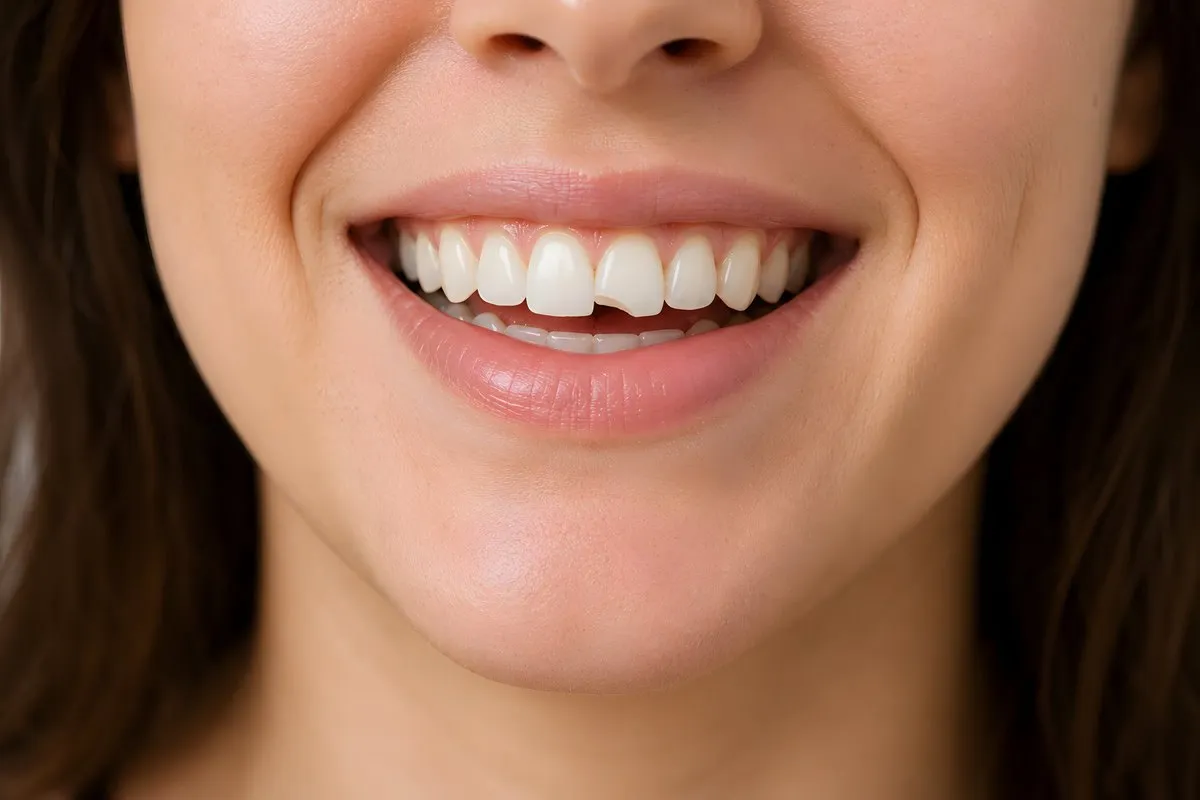
Many people quietly work around teeth that hurt when they chew, avoid smiling in photos, or schedule their meals around which side of the mouth still feels reliable. Sometimes it happens gradually, through years of small compromises. Sometimes it follows one bad accident or one root canal too many. Either way, there comes a point where a single filling or a single crown will not fix what is actually going on.
At Advanced Family & Cosmetic Dentistry, we see this exact situation often, and it is why full mouth rehabilitation exists as its own category of dental care rather than a single procedure. Dr. Pavlakis and our team take the time to look at how every tooth, joint, and bite surface works together before recommending anything, so the plan addresses the whole mouth instead of chasing one problem at a time.
What Full Mouth Rehabilitation Actually Means
Full mouth rehabilitation is not one treatment. It is a coordinated plan that can combine several restorative and, when needed, cosmetic procedures to rebuild how the entire mouth functions. That might mean crowns on worn molars, a bridge or implant where teeth are missing, gum therapy to stabilize the foundation, and an adjustment to how the bite comes together so pressure is distributed evenly again.
The goal is function first. A mouth that has been compensating for years, favoring one side, avoiding certain foods, clenching to manage discomfort, tends to develop new problems on top of the old ones. Rebuilding the whole system at once, rather than patching pieces separately, tends to hold up better over time and feels more like a mouth working the way it is supposed to.
Who Tends To Need This Level Of Care
There is no single patient profile, but a few patterns come up again and again. Some people have lost several teeth over the years to decay or extractions and have never replaced them, so the remaining teeth have shifted and the bite no longer meets evenly. Others have significant wear from years of grinding, which flattens the biting surfaces and can shorten the appearance of the teeth. Old dental work like large fillings or crowns placed decades ago can also fail all around the same time, which tends to bring several issues to a head at once.
Gum disease is another common thread. When the bone and tissue supporting the teeth have broken down, teeth can loosen or drift, which changes the bite and adds strain to the teeth that are left. A useful way to think about who benefits from a full mouth approach is to consider whether the issues touch more than one part of the mouth at once.
- Multiple missing or heavily damaged teeth across the upper or lower arch
- Significant tooth wear from long-term grinding or clenching
- Ongoing jaw or joint discomfort connected to how the teeth meet
- Gum disease that has affected the stability of several teeth
- A history of dental work that was done piecemeal and is now failing together
If several of these sound familiar, that overlap is usually the signal that a coordinated plan will serve better than another one-off repair.
Why a Coordinated Plan Changes The Outcome
Treating one tooth at a time can solve the immediate problem in front of us, but it can miss how that tooth relates to everything around it. A new crown placed without accounting for a shifted bite can wear unevenly within a year. An implant placed without addressing gum health nearby can be compromised by the same disease process that took the original tooth.
Sequencing Matters As Much As The Procedures Themselves
A full mouth plan usually addresses the foundation first, meaning gum health and bone support, before building the visible structure back on top of it. Bite alignment is typically assessed early too, since building new crowns or bridges onto a bite that is out of balance tends to shorten the life of that new work. National data from NIDCR shows that adults aged 20 to 64 retain an average of 25.5 teeth, with those numbers dropping further among people managing other health and lifestyle factors, which is part of why catching these patterns early tends to lead to more conservative treatment overall.
Comfort Options Make The Process More Manageable
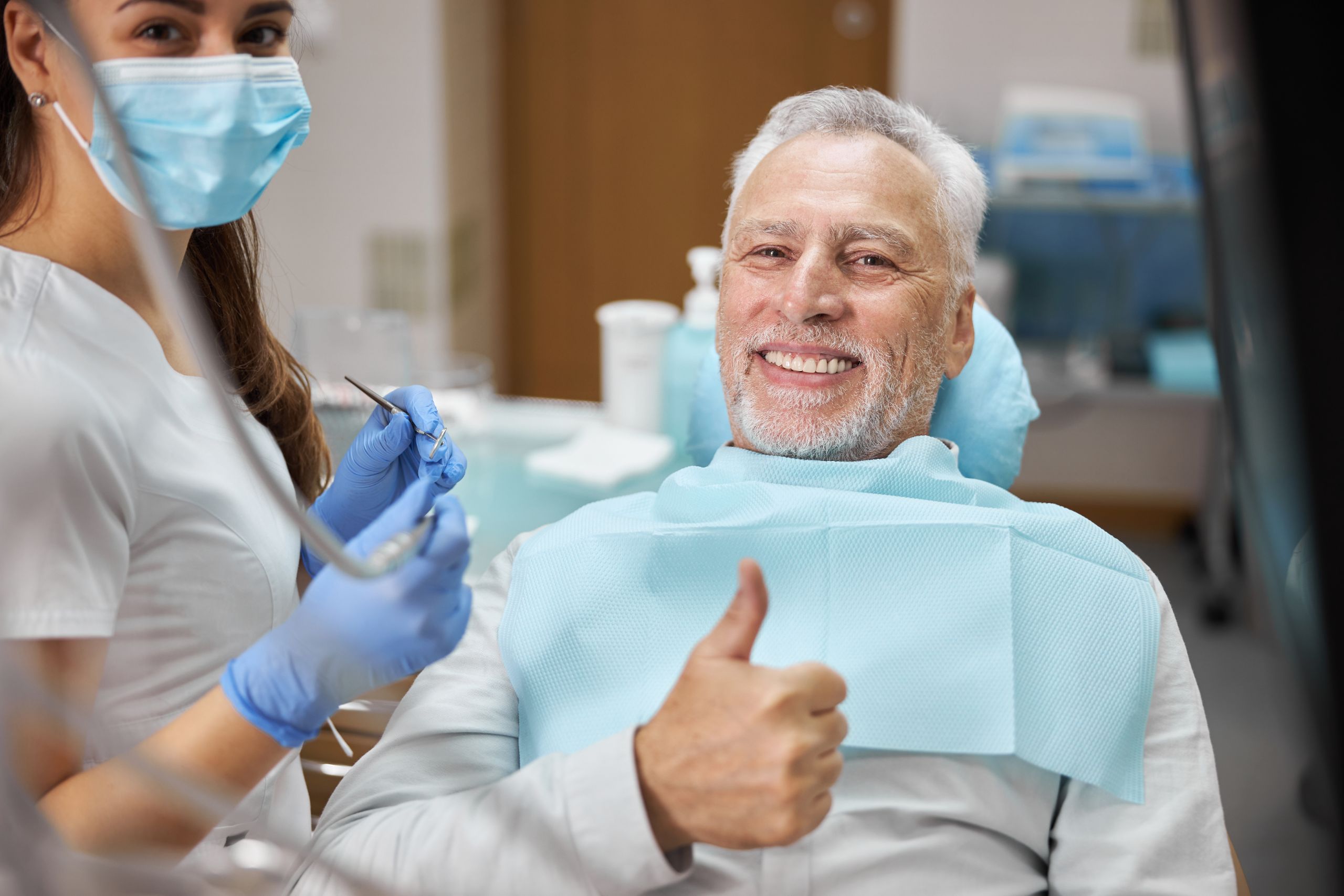
For patients who need several procedures completed, comfort during treatment matters. Our practice has access to a licensed dental anesthesiologist, which is uncommon among general dentistry offices in Connecticut given the specialized training and oversight involved. That access allows more extensive work to be completed with a level of sedation matched to the person, rather than asking someone to sit through multiple separate appointments for procedures that could be grouped together.
How Coverage And Cost Typically Work
Full mouth rehabilitation understandably raises cost questions early, since it can involve more than one procedure over more than one visit. As a non-restricted provider, we are not limited by a single insurance network’s approved procedures or session limits, which lets us build the plan around what the mouth actually needs rather than what one plan will pay for in a given year. We still file insurance claims on our patients’ behalf and work to secure the strongest reimbursement available.
Because some full mouth cases stem from documented medical conditions such as trauma, infection, or diabetes-related complications, we are also able to bill qualifying procedures to medical insurance in addition to dental coverage, a combination still uncommon among general dentists in this state. For patients who want a predictable way to manage the preventive side of care alongside larger treatment, our Oral Health Savings Plan offers reduced fees on procedures and set annual costs outside of traditional insurance.
What The First Visit Usually Looks Like
The starting point for any full mouth plan is a complete picture of what is happening in the mouth, not just the tooth that currently hurts. That typically includes a full set of digital x-rays, an evaluation of gum health through periodontal charting, and a look at how the jaw joints and bite come together.
From there, we walk through the findings and outline the realistic paths forward, including which procedures are necessary versus optional, and how they might be sequenced or grouped to reduce the number of separate appointments. Some patients move ahead with dental implants to replace missing teeth, others need a combination of crowns and bridges, and some benefit from a night guard alongside restorative work to protect it going forward.
Advanced Family and Cosmetic Dentistry Is Ready to Help
A mouth that has been quietly compensating for years deserves a plan that looks at the whole picture rather than one more isolated fix. Dr. Pavlakis, a graduate of University at Buffalo School of Dental Medicine, brings that full picture approach to every full mouth case, combining restorative procedures, bite correction, and gum care into a single coordinated plan built around what each patient’s mouth actually needs. Patients also often hear from Dr. Pavlakis personally by phone after treatment, a small habit that reflects how closely our team follows a case through to the end.
If you have been living with a mouth that no longer feels like it works the way it should, the first step is simply having a conversation about what is going on. You can reach out through our contact page to schedule a visit and start building a plan around your mouth specifically.
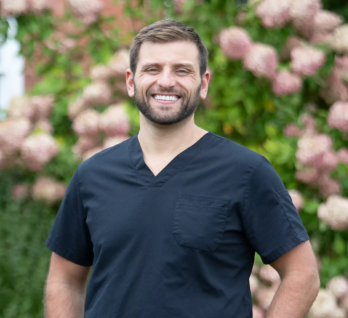
Dr. John Pavlakis | Cosmetic Dentist
Dr. John Pavlakis, a graduate of the University at Buffalo School of Dental Medicine, brings years of expertise and a commitment to patient-centered care. Staying at the forefront of dental advancements, he is an active member of leading dental organizations. Known for his compassionate approach, Dr. Pavlakis ensures patients feel heard and comfortable, providing top-tier cosmetic and general dentistry at Advanced Family & Cosmetic Dentistry in Middletown, CT.