717 Newfield St. Middletown, CT 06457


Last Updated: September 9, 2026
Medically Reviewed By:
Dr. John Pavlakis, Cosmetic Dentist
When you’re missing several teeth or an entire arch, the decision between two replacement options can feel overwhelming, especially when both promise a restored smile but deliver very different day-to-day experiences. Understanding how All-on-4 dental implants and traditional dentures actually compare, in stability, function, and long-term oral health, helps you make a choice that fits your lifestyle rather than just your budget.
At Advanced Family & Cosmetic Dentistry, we walk patients through both dental implant options every week, and we’ve found that most people simply weren’t shown the full comparison before choosing. Whether you’re exploringall-on-4 dental implants for the first time or wondering if traditional dentures are still the right fit, this guide breaks down what each option really involves.
What Are Traditional Dentures?
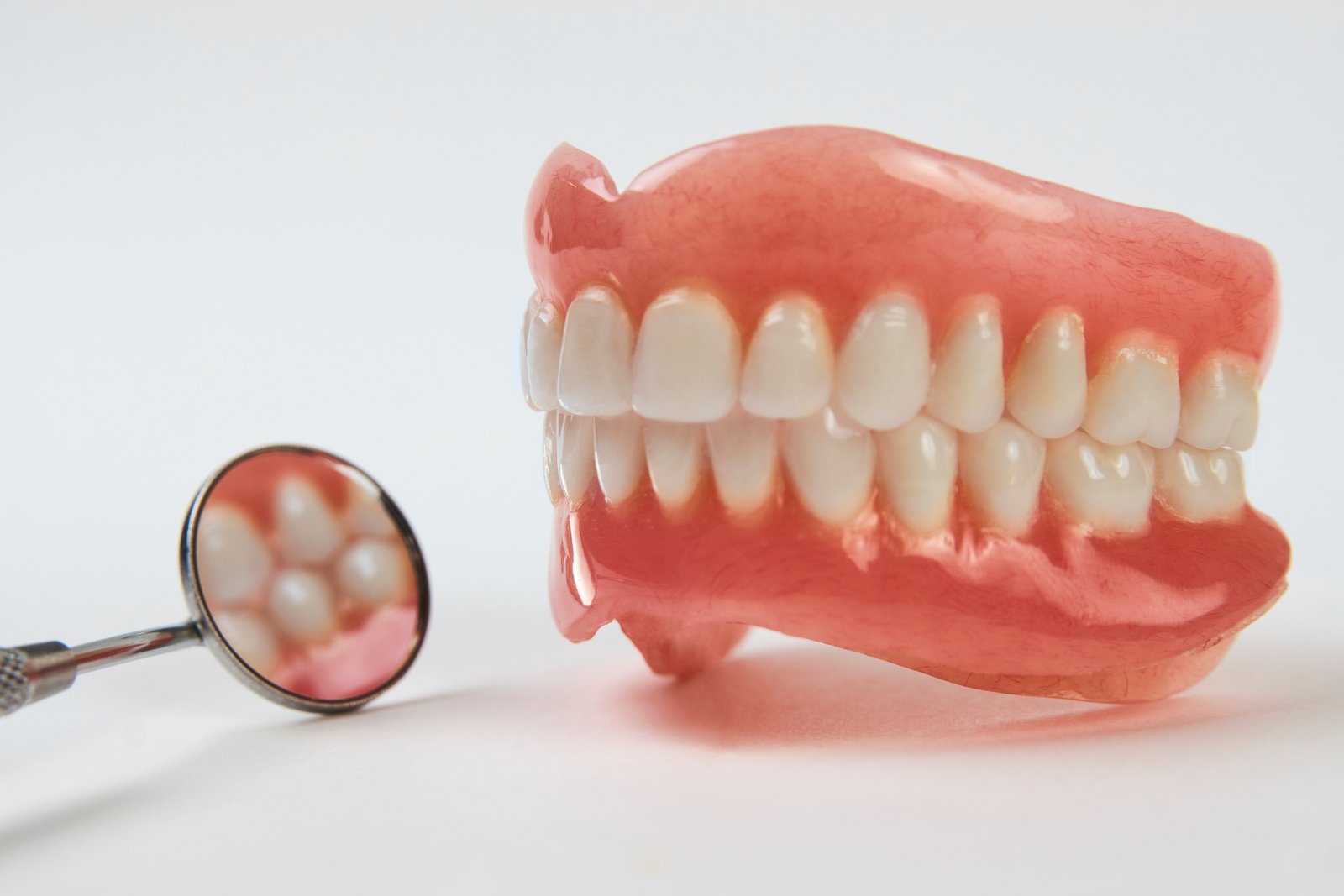
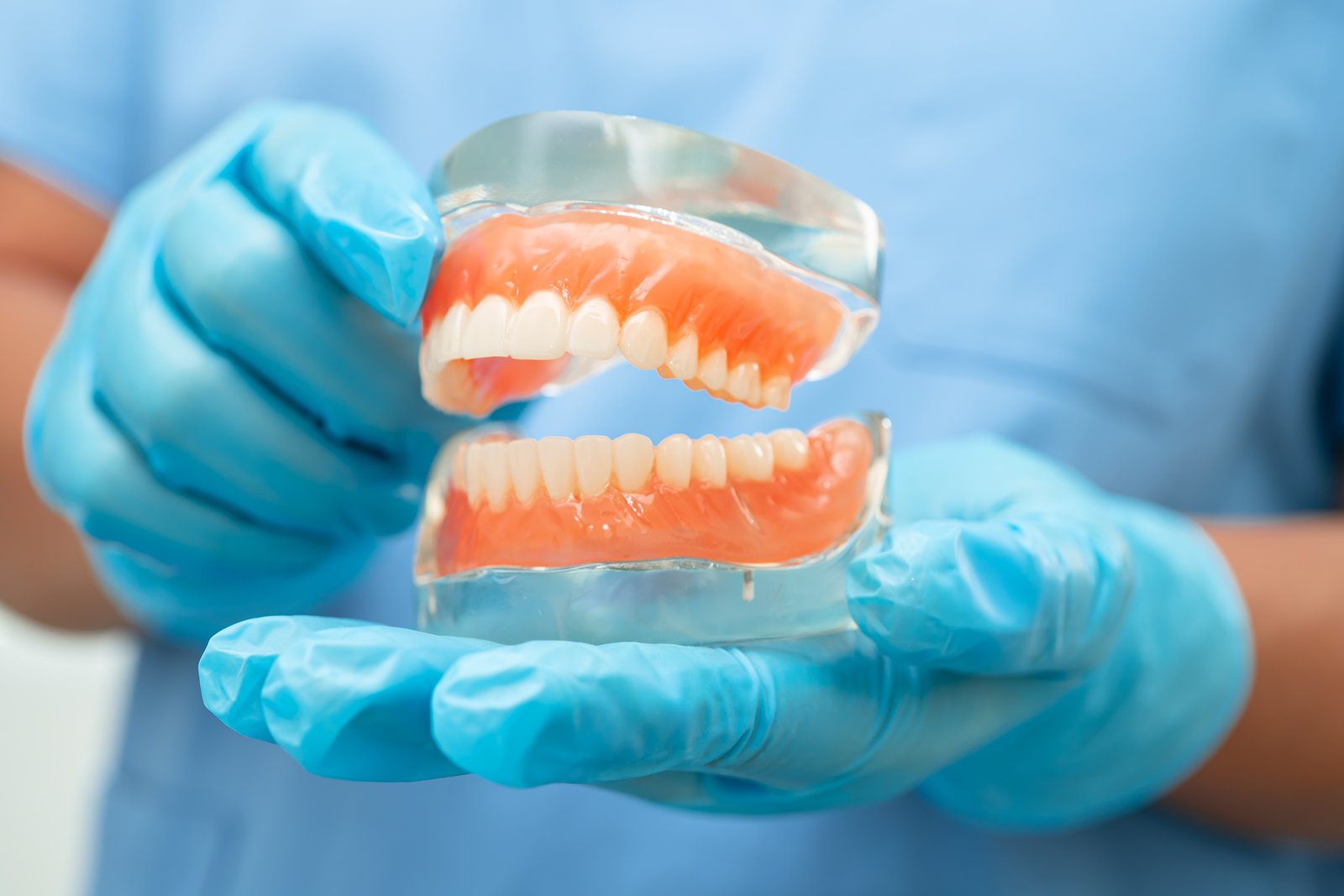
Traditional dentures are removable prosthetic teeth that rest on the gums and are held in place with suction, adhesive, or a combination of both. They’re custom-made to match the shape of your mouth and can replace a full arch or just a few missing teeth with a partial denture.
Because dentures sit on top of the gum tissue rather than anchoring into the jawbone, they don’t provide the same chewing force as natural teeth. Many patients find themselves avoiding sticky, hard, or chewy foods, and they need to remove the denture nightly for cleaning and soaking. Dentures also require periodic relining as the shape of the mouth changes over time.
What Are All-on-4 Dental Implants?
The All-on-4 technique uses four strategically placed titanium implants per arch to support a full set of fixed, non-removable teeth. Two implants are placed toward the front of the jaw and two are angled toward the back, a design that takes advantage of the denser bone typically found in those areas.
Because the implants fuse directly with the jawbone through a process called osseointegration, the resulting teeth function much more like natural roots. Patients brush and floss All-on-4 restorations the same way they would their own teeth, and the fixed design means there’s no slipping, no adhesive, and no nightly removal.
Key Differences in Stability and Function
The most noticeable difference between the two options is how they feel during everyday activities like eating and speaking.
- All-on-4 implants are permanently fixed and do not move, allowing patients to bite and chew with close to full natural force.
- Traditional dentures can shift or loosen throughout the day, particularly with the lower arch, which has less natural suction than the upper arch.
- Denture wearers are often advised to avoid tougher foods, while All-on-4 patients generally have no dietary restrictions.
- Speech tends to adjust more quickly with a fixed solution since there’s no plate covering the palate or risk of slippage.
This stability difference is one of the main reasons patients who have worn dentures for years often ask us about upgrading to a fixed alternative.
Long-Term Oral Health Considerations
Beyond day-to-day comfort, the two options diverge significantly in how they affect the jawbone over time. Traditional dentures do not stimulate the underlying bone, so the jaw can continue to shrink and change shape, which is one reason dentures frequently need to be relined or eventually replaced. According to a study published by the National Institutes of Health’s National Library of Medicine, alveolar ridge resorption following tooth loss is a well-documented process that continues progressively in edentulous patients, underscoring why bone preservation matters when comparing full-arch restoration options.
All-on-4 implants, by contrast, transmit chewing forces directly into the jawbone in a way that mimics natural tooth roots, which helps preserve bone density over the years. This is part of why All-on-4 restorations are often associated with a longer functional lifespan compared to the repeated adjustments dentures tend to require.
Cost, Maintenance, and Candidacy
Cost is frequently the first question patients ask, and it’s a fair one. Traditional dentures typically have a lower upfront cost, while All-on-4 involves a more significant initial investment due to the surgical placement of implants. That said, dentures often carry ongoing costs for adhesives, relines, and eventual full replacement every several years, while a well-maintained All-on-4 restoration is built to last much longer with routine care.
Candidacy also plays a role in which option makes sense. Patients with significant jawbone loss may need a bone grafting procedure before qualifying for implants, though the All-on-4 technique was specifically designed to work with the denser bone found in most patients, often reducing or eliminating the need for grafting. Our team can evaluate your bone structure with digital imaging to determine which path is realistic for your situation.
Which Option Is Right for You? Meet With Our Team Today
There isn’t a universal answer, since the right choice depends on your bone health, budget, lifestyle, and how important a fixed, natural-feeling result is to you. Some patients start with traditional dentures and later transition to All-on-4 once they’ve experienced the day-to-day limitations of a removable prosthetic, while others move straight to implants after learning about the long-term benefits.
If you’re weighing All-on-4 dental implants against traditional dentures, we’re here to walk you through the details specific to your smile. Advanced Family & Cosmetic Dentistry has helped countless patients in the Middletown, Connecticut area restore full function and confidence with both options, and we take a patient-focused approach to treatment planning rather than a one-size-fits-all recommendation. Reach out through our contact form to schedule a consultation and find out which full-arch solution fits your needs best.
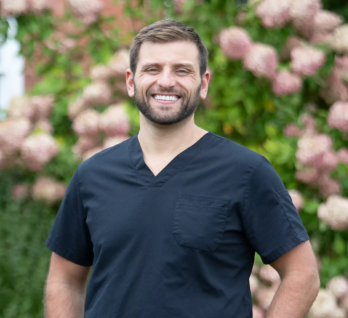
Dr. John Pavlakis | Cosmetic Dentist
Dr. John Pavlakis, a graduate of the University at Buffalo School of Dental Medicine, brings years of expertise and a commitment to patient-centered care. Staying at the forefront of dental advancements, he is an active member of leading dental organizations. Known for his compassionate approach, Dr. Pavlakis ensures patients feel heard and comfortable, providing top-tier cosmetic and general dentistry at Advanced Family & Cosmetic Dentistry in Middletown, CT.