717 Newfield St. Middletown, CT 06457


Last Updated: July 23, 2026
Medically Reviewed By:
Dr. John Pavlakis, Cosmetic Dentist
By Dr. John Pavlakis
Noticing a dark spot or discoloration on a tooth can be unsettling, but not every mark signals a cavity. Coffee stains and tooth decay can look surprisingly similar at a glance, yet they are fundamentally different conditions that require completely different responses. Knowing how to tell them apart helps you seek the right care at the right time and avoid both unnecessary panic and dangerous delay.
At Advanced Family & Cosmetic Dentistry in Middletown, CT, Dr. John Pavlakis regularly helps patients understand what they are seeing on their teeth and what it means for their oral health. Here is a thorough breakdown of how coffee stains and tooth decay differ, how to identify which one you may be dealing with, and what you can do about it.
Understanding Coffee Stains on Teeth
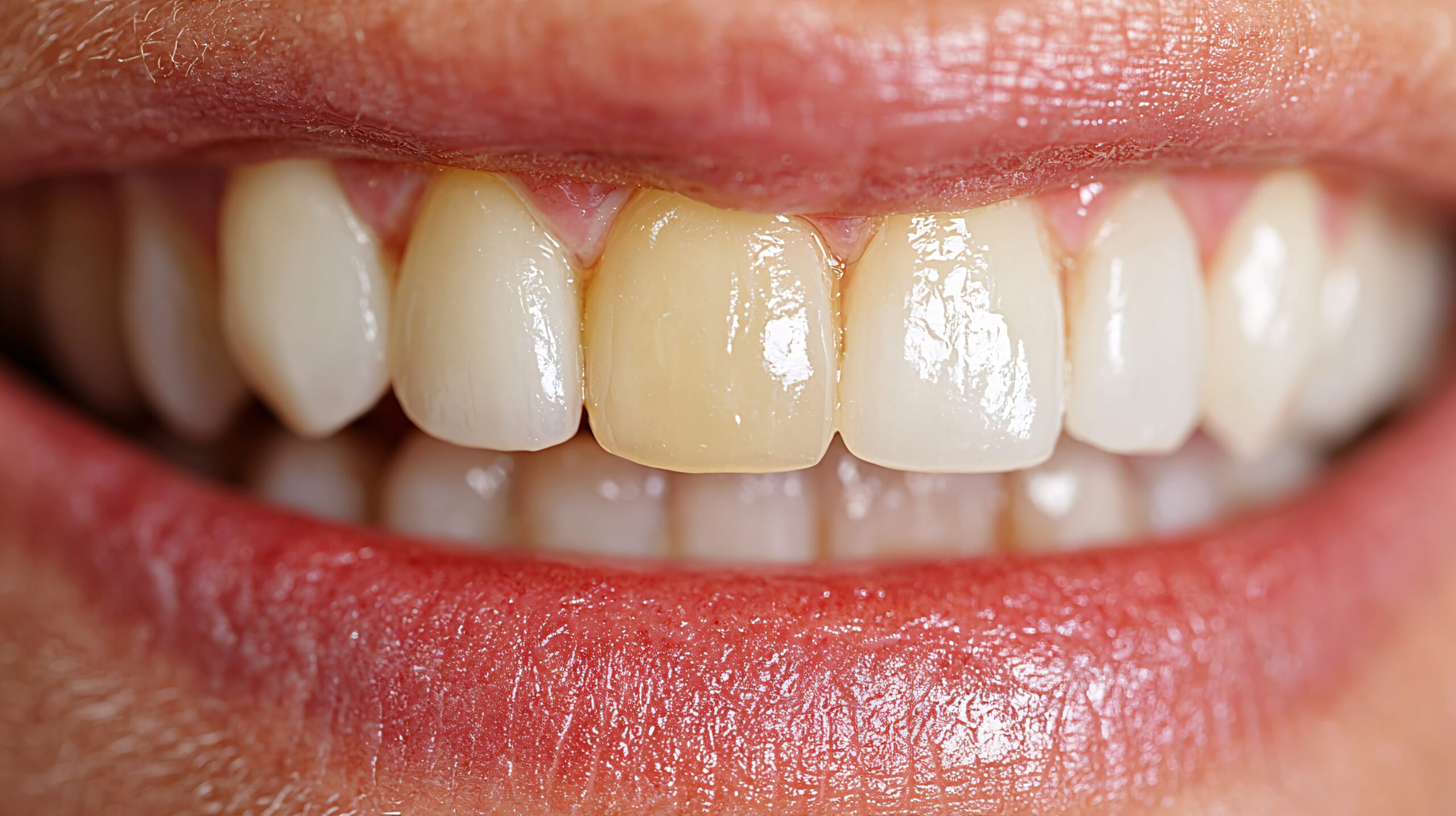
Coffee stains are a form of extrinsic discoloration, meaning they develop on the outer surface of the tooth enamel rather than within the tooth structure itself. Coffee contains natural compounds called tannins and chromogens that bind readily to tooth enamel, leaving a yellowish or brownish residue with each cup you drink. The more frequently you drink coffee and the longer it stays in contact with your teeth, the more pronounced the staining becomes over time.
The Extrinsic vs. Intrinsic Distinction
All tooth discoloration falls into one of two categories. Extrinsic staining, like that caused by coffee, sits on the enamel surface and is generally treatable with professional teeth whitening or thorough dental cleanings. Intrinsic staining occurs deeper within the tooth, either in the dentin layer beneath the enamel or throughout the internal tooth structure, and may result from medications, trauma, or developmental factors. Coffee causes extrinsic staining, though long-term, heavy coffee consumption combined with enamel erosion can allow pigment to penetrate more deeply over time.
Coffee’s Effects Beyond Surface Color
Coffee does more than stain. Its acidic content can erode enamel gradually, particularly in lighter roasts, which are more acidic than dark roasts. Caffeine also reduces saliva production, and saliva plays a critical role in neutralizing acids and rinsing food particles from the teeth. Reduced saliva flow increases the time acids and pigments remain in contact with enamel, compounding the staining and erosion effects over months and years.
Recognizing Tooth Decay Characteristics
Tooth decay is not a surface phenomenon. It is an active disease process in which bacteria in the mouth produce acids that dissolve the mineral structure of the tooth from within. Early decay first appears as a chalky white spot on the enamel surface, signaling that demineralization has begun. As the decay progresses, these spots typically darken, turning brown or black as the damaged enamel breaks down further and the deeper dentin is affected.
Unlike a coffee stain, which is even in tone and sits smoothly on the tooth surface, a cavity creates structural change — a pit, hole, or rough texture that you may be able to feel if you run your tongue over the tooth. Advanced decay can cause pain, pressure, or heightened sensitivity to temperature changes and sweet foods or beverages. These sensations do not accompany surface staining.
Key Differences Between Stains and Decay
Visually, both can appear as brown or dark patches, but there are reliable ways to distinguish them:
- Texture: Stains feel smooth. Decay feels rough, sticky, or pitted to the tongue.
- Pain or sensitivity: Stains cause no discomfort. Sensitivity to cold, heat, or sweets is a strong indicator of decay.
- Location: Stains tend to be diffuse and evenly spread across tooth surfaces. Decay commonly begins in grooves on the chewing surfaces, between teeth, or along the gum line.
- Progression: Stains do not change tooth structure. Decay actively destroys it and will worsen without treatment.
Self-Examination Techniques
While a professional examination is the only way to confirm decay with certainty, you can perform a simple self-check at home. Run your tongue across the discolored area. If it feels smooth and uniform, you are likely looking at a surface stain. If the area feels rough, soft, sticky, or has any physical depression or gap, that warrants a dental appointment promptly.
Pay attention to any accompanying symptoms. If you notice pain when biting, lingering sensitivity after consuming cold or hot foods, or a persistent bad taste or odor around a specific tooth, these are signs that something beyond surface discoloration may be occurring.
Treatment Approaches for Different Discoloration Types
The right treatment depends entirely on what you are dealing with.
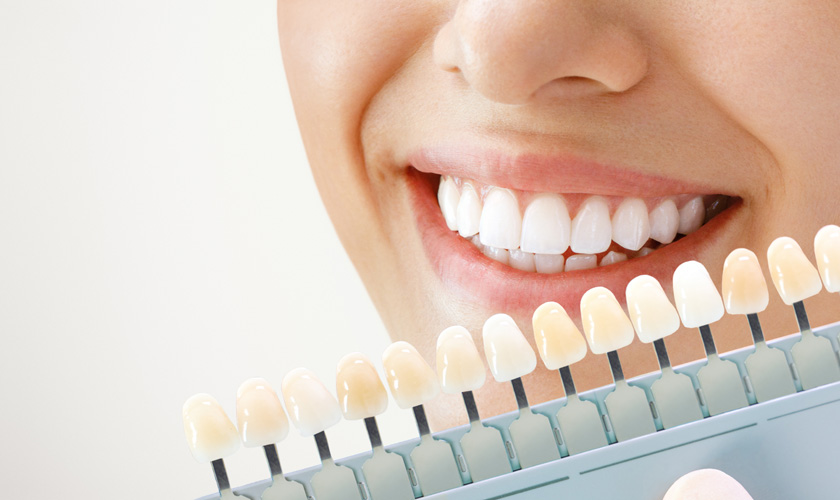
For coffee stains, dental cleanings remove surface buildup, and professional whitening treatments can significantly lighten remaining discoloration. For patients interested in more dramatic cosmetic improvement, options such as cosmetic bonding, cosmetic bonding, porcelain veneers, or other cosmetic procedures may be worth discussing.
For tooth decay, the treatment depends on how far the decay has progressed. Early-stage decay identified at a dental appointment may be reversible with fluoride treatment. Once decay has created a cavity, tooth-colored fillings are the standard treatment to remove the damaged tissue and restore the tooth’s structure. More advanced decay affecting deeper layers of the tooth may require a crown, and decay that has reached the pulp may require root canal therapy. Decay that is left untreated continues to progress and can ultimately result in tooth loss.
Prevention Strategies to Protect Your Teeth
Preventing both coffee stains and decay requires consistent oral hygiene habits and a few targeted strategies for coffee drinkers specifically.
To reduce coffee staining: rinse your mouth with water immediately after drinking coffee to dilute the tannins before they bind to enamel; use a straw to minimize direct contact between coffee and your teeth; wait at least 30 minutes after drinking coffee before brushing, as enamel is temporarily softened by acid and brushing too soon can cause erosion; and schedule regular professional cleanings to remove accumulated surface staining before it sets.
To prevent decay: brush with a fluoride toothpaste at least twice daily; floss daily to remove plaque from between the teeth where decay commonly begins; limit sugary and acidic foods and beverages; drink plenty of water to support healthy saliva flow; and attend professional dental exams at least twice a year so early decay can be identified and treated before it progresses.
Addressing Tooth Discoloration at Advanced Family & Cosmetic Dentistry
Whether you are dealing with coffee staining that has built up over years or you are concerned that a dark spot may indicate a cavity, the first step is a professional evaluation. Dr. Pavlakis uses visual examination and digital X-rays to distinguish surface discoloration from structural decay and recommends the most appropriate treatment for your specific situation.
For additional reading on related topics, see our articles on Debunking Common Myths About Teeth Whitening, How to Whiten Sensitive Teeth, and How to Maintain Your Smile After a Professional Whitening. To schedule an appointment, visit our contact page and reach out to our team today.
Frequently Asked Questions About Coffee Stains and Tooth Decay
How can I tell if a dark spot on my tooth is a stain or decay?
Run your tongue across the spot. A stain will feel smooth and even, while decay tends to feel rough, sticky, or pitted. Decay is also commonly accompanied by sensitivity to cold, heat, or sweet foods, a symptom that staining alone does not cause. If you notice any physical texture change, persistent discomfort, or a visible pit in the tooth, see a dentist promptly rather than assuming it is a harmless stain. A clinical exam and X-ray are the only reliable way to confirm the difference.
Does drinking coffee cause cavities?
Coffee does not directly cause cavities, but it can contribute to conditions that make decay more likely. Its acidity can weaken enamel over time, and its caffeine content reduces saliva flow. Saliva helps neutralize acids and wash food particles from the teeth, so reduced saliva flow increases cavity risk. Coffee consumed with sugar significantly raises that risk further. Rinsing with water after coffee, maintaining good brushing habits, and staying well hydrated can help offset these effects.
Is light roast or dark roast coffee worse for your teeth?
Light roast coffee is generally more acidic than dark roast, which means it may pose a slightly higher risk of enamel erosion over time. However, both roasts contain tannins and chromogens that stain teeth. The difference in acidity between roasts is modest, and the more important variables are how frequently you drink coffee, whether you add sugar, and how thoroughly you rinse or brush afterward. Neither roast is completely tooth-safe consumed in large quantities without any protective hygiene habits.
Can teeth whitening remove all types of tooth discoloration?
Whitening treatments work best on extrinsic stains, the surface discoloration caused by coffee, tea, tobacco, and food. Intrinsic stains, which originate within the tooth structure from medications, trauma, or developmental factors, respond much less predictably to peroxide-based whitening. Additionally, whitening cannot treat discoloration caused by active decay; the decay must be treated first. A consultation helps determine whether whitening will be effective for your specific situation or whether a different cosmetic approach would deliver better results.
What is the most effective way to prevent coffee stains from building up?
The most effective strategy is rinsing with water immediately after drinking coffee to dilute tannins before they bind to enamel, using a straw to reduce direct tooth contact, waiting at least 30 minutes before brushing after coffee consumption, and scheduling regular professional cleanings to remove accumulated surface pigment before it becomes entrenched. Whitening toothpaste used a few times per week can also help maintain a lighter baseline shade for patients who drink coffee regularly.

Dr. John Pavlakis | Cosmetic Dentist
Dr. John Pavlakis, a graduate of the University at Buffalo School of Dental Medicine, brings years of expertise and a commitment to patient-centered care. Staying at the forefront of dental advancements, he is an active member of leading dental organizations. Known for his compassionate approach, Dr. Pavlakis ensures patients feel heard and comfortable, providing top-tier cosmetic and general dentistry at Advanced Family & Cosmetic Dentistry in Middletown, CT.