
717 Newfield St. Middletown, CT 06457



Last Updated: July 23, 2026
Medically Reviewed By:
Dr. John Pavlakis, Cosmetic Dentist
By Dr. John Pavlakis
When a child loses a permanent tooth, every second counts. Unlike baby teeth that naturally fall out to make way for adult teeth, permanent teeth are meant to last a lifetime, and their sudden loss can lead to serious dental complications if left unaddressed. A knocked-out permanent tooth is a true dental emergency — and knowing exactly how to respond in those first critical minutes can mean the difference between saving and permanently losing the tooth.
At Advanced Family & Cosmetic Dentistry in Middletown, CT, Dr. John Pavlakis provides comprehensive emergency dental care for situations like this. Our office offers same-day dental care for urgent cases, so you can reach us quickly when time matters most.
Immediate Steps After Tooth Loss
The first 30 minutes after a tooth is knocked out are the most critical window for successful reimplantation. According to the American Association of Endodontists, teeth replaced within 30 minutes have the highest survival rate. Here is what to do immediately:
- Locate the tooth and handle it by the crown only. Never touch the root. The delicate cells on the root surface are essential for reattachment, and even brief contact can damage them.
- Rinse gently if the tooth is dirty. Use milk or saline solution — never tap water, which can damage the root cells and reduce the chance of successful reimplantation.
- Attempt gentle reinsertion if possible. If your child is old enough and calm enough, try to gently place the tooth back into its socket and have them hold it in place by biting softly on clean gauze. This is the best storage option available.
- Store the tooth safely if reinsertion is not possible. Place it in a container of cold milk, which helps preserve root cells. Other suitable options include the child’s own saliva or a commercially available tooth preservation solution.
- Control bleeding. Have your child bite down gently on clean gauze or a soft cloth and apply a cold compress to the outside of the cheek to reduce swelling and pain.
- Contact a dentist immediately. Call even if it is after regular business hours. Do not wait until the next day.
Time is the single most important variable in whether a knocked-out tooth can be saved. Every minute the tooth is outside the mouth and not properly stored reduces the likelihood of successful reattachment.
Common Causes of Permanent Tooth Loss
Understanding how permanent teeth get knocked out can help families take preventive steps. Sports injuries account for a significant portion of dental emergencies in children and teenagers. Contact sports and high-impact activities such as basketball, baseball, soccer, and skateboarding carry particular risk. Wearing protective sports guards during these activities can dramatically reduce the likelihood of tooth loss by cushioning the force of impacts to the face and jaw.
Falls during everyday play represent another leading cause of avulsed teeth. Children learning to navigate playground equipment, riding bicycles, or playing on uneven surfaces are all vulnerable to accidents that can result in facial trauma. Physical collisions, car accidents, and biting down on extremely hard objects are also recognized causes. In some cases, teeth that are already weakened by untreated decay or prior trauma are more susceptible to being knocked out by forces that would not dislodge a healthy tooth.
Professional Treatment Options
When you arrive at the dental office, the treatment plan will depend on how quickly you sought care and the condition of the tooth. If you arrive within the optimal window with the tooth properly stored, treatment may involve cleaning and reinserting the tooth into its socket. The dentist will then stabilize it using a flexible splint attached to the adjacent teeth, allowing the supporting structures to heal over the following weeks. A follow-up root canal may be necessary to preserve a successfully reimplanted tooth, as the nerve and blood supply are typically disrupted during the trauma.
If the tooth cannot be saved or was already too damaged, restorative dentistry options can replace the missing tooth and prevent further complications. A dental implant offers a permanent replacement once the child has finished growing and facial development is complete. In the interim, a dental bridge or space maintainer can fill the gap and preserve alignment. Dental crowns may also be necessary to protect adjacent teeth damaged in the same incident. Root canal therapy becomes necessary if the pulp of a reimplanted tooth becomes infected or does not heal properly during recovery.
The dentist will also assess for any injuries that may have occurred alongside the tooth loss: damage to the jawbone, soft tissue lacerations, or trauma to neighboring teeth all require evaluation and immediate attention.
Long-Term Consequences Without Treatment
Ignoring a lost permanent tooth leads to a progression of dental problems that become increasingly difficult and expensive to address. The most immediate consequence is bone loss at the site where the tooth root once provided stimulation. Without that stimulation, the jawbone begins to deteriorate, potentially affecting facial structure and limiting future treatment options.
Adjacent teeth will gradually shift into the empty space, causing misalignment throughout the mouth. This shifting can result in bite problems, uneven tooth wear, and difficulty chewing. The opposing tooth may also over-erupt — growing past its normal position because it no longer has a tooth to contact when biting. TMJ disorders can develop when bite alignment is significantly altered. Missing teeth also create cleaning challenges where food and bacteria accumulate more easily, increasing the risk of cavities and gum disease in the surrounding area.
For children specifically, a missing permanent tooth can affect speech development, causing lisping or other articulation difficulties during critical developmental years. The emotional impact on a child’s self-confidence should not be underestimated either, as a visible gap affects how children feel about smiling and interacting with peers.
Advanced Family & Cosmetic Dentistry Can Help
At Advanced Family & Cosmetic Dentistry, Dr. Pavlakis brings years of experience in emergency and restorative dental care to help families navigate unexpected dental injuries. Whether you need immediate reimplantation or are exploring long-term replacement options for a tooth that could not be saved, our team will walk you through every available path with compassion and clarity.
If your child has lost a permanent tooth or experienced any dental emergency, please contact our office immediately. We are here to help your family get the right care as quickly as possible.
Frequently Asked Questions About Knocked-Out Permanent Teeth
Can a knocked-out permanent tooth always be saved?
Not always, but successful reimplantation is possible in many cases when action is taken quickly. The best outcomes occur when the tooth is handled correctly, stored in milk or reinserted into the socket, and the patient reaches a dentist within 30 minutes of the injury. Teeth that have been out of the mouth for more than an hour or that were stored in tap water have much lower survival rates. Even when reimplantation is not possible, restorative options are available to replace the tooth and protect surrounding structures.
What is the best way to store a knocked-out tooth?
The ideal storage solution is to gently place the tooth back into its original socket, which keeps the root cells moist and alive. If that is not possible, submerge the tooth in cold milk, which maintains a pH and osmotic pressure compatible with root cell survival. The child’s own saliva is another acceptable option for short periods. Avoid tap water, which can damage the delicate root cells and significantly reduce the chance of successful reimplantation.
What if my child is too young or too distressed to hold the tooth in the socket?
If your child cannot safely hold the tooth in place — for example, if they are very young or too upset to cooperate — do not force the tooth into the socket. There is a risk of accidentally swallowing it. Instead, place the tooth in cold milk immediately and get to a dental office as quickly as possible. The dentist can reinsert and stabilize it with a splint once the child is in a safe, controlled environment.
How long does my child have before the tooth cannot be reimplanted?
The first 30 minutes after the tooth is knocked out offer the highest chance of successful reimplantation. Teeth stored properly in milk can sometimes survive for up to one to two hours, but viability decreases with every passing minute. Acting as quickly as possible and calling the dental office from the car so the team can prepare for your arrival is strongly recommended. Even if you are unsure whether enough time has passed, seek care immediately — the dentist will assess the tooth on arrival.
What are the options if the tooth cannot be saved?
If the tooth cannot be reimplanted successfully, several restorative options can replace it and preserve your child’s oral health. A space maintainer or temporary appliance may be placed while the jaw finishes developing. Once your child reaches adulthood and facial growth is complete, a dental implant provides the most permanent and bone-preserving replacement available. In the interim, a dental bridge can also be used to fill the gap. The dentist will recommend the most appropriate approach based on your child’s age, the location of the tooth, and overall dental health.
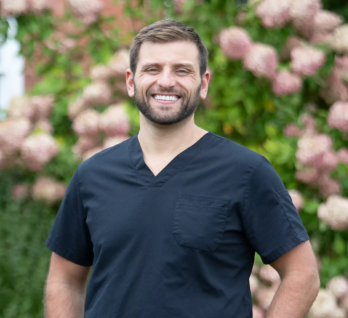
Dr. John Pavlakis | Cosmetic Dentist
Dr. John Pavlakis, a graduate of the University at Buffalo School of Dental Medicine, brings years of expertise and a commitment to patient-centered care. Staying at the forefront of dental advancements, he is an active member of leading dental organizations. Known for his compassionate approach, Dr. Pavlakis ensures patients feel heard and comfortable, providing top-tier cosmetic and general dentistry at Advanced Family & Cosmetic Dentistry in Middletown, CT.