717 Newfield St. Middletown, CT 06457


Last Updated: August 12, 2026
Medically Reviewed By:
Dr. John Pavlakis, Cosmetic Dentist
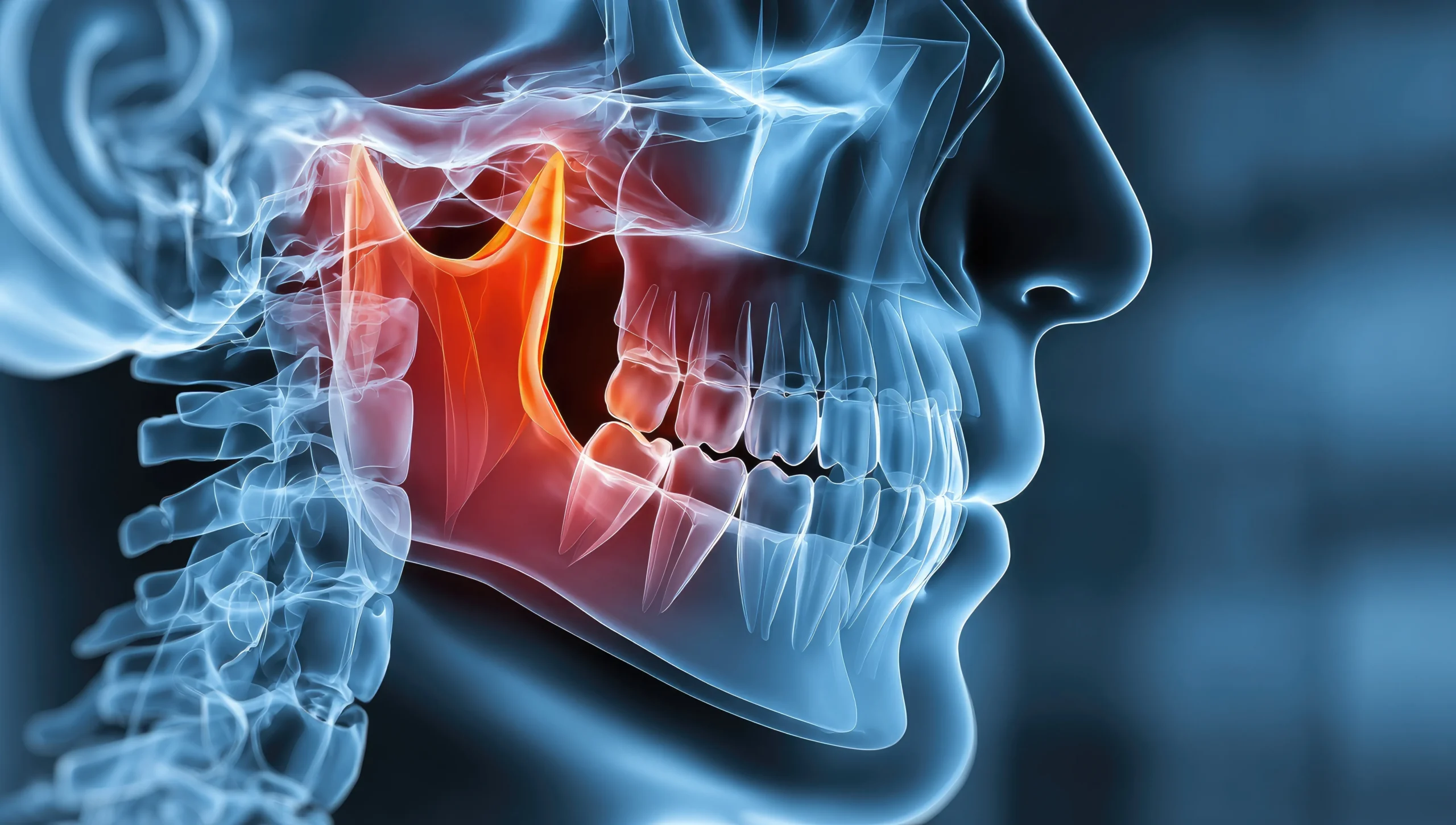
Clicking or popping in your jaw usually means the small disc that cushions your temporomandibular joint has shifted slightly out of position, or that the joint and surrounding muscles are under more strain than they can comfortably absorb. The temporomandibular joint connects your lower jaw to your skull and acts as a sliding hinge, letting you speak, chew, and yawn. When this joint develops dysfunction, the resulting clicks, pops, and pain can turn routine moments, like eating breakfast or holding a conversation, into uncomfortable ones.
At Advanced Family & Cosmetic Dentistry, Dr. Pavlakis evaluates and treats temporomandibular joint disorders for patients throughout Middletown. His approach combines a thorough diagnostic exam with a personalized treatment plan, addressing both immediate discomfort and long-term joint health, so you understand not just what is happening in your jaw but why.
What Causes Jaw Clicking and Popping?
TMJ dysfunction develops from multiple factors, often working together rather than from a single isolated cause. The joint contains a small disc that acts as a cushion between the jawbone and skull. When this disc shifts out of proper position, it creates the characteristic clicking or popping sound as your jaw moves past it during opening and closing motions.
Teeth grinding and jaw clenching, particularly during sleep, place enormous pressure on the temporomandibular joint. This constant force strains the muscles, ligaments, and joint structures, eventually leading to inflammation and misalignment. Many people grind their teeth without conscious awareness, discovering the habit only after developing TMJ symptoms or hearing about it from a partner.
Jaw injuries from accidents, falls, or sports impacts can damage the joint directly or alter its alignment. Even a seemingly minor impact can create lasting changes in how the jaw functions. Arthritis affecting the temporomandibular joint breaks down cartilage and bone, creating rough surfaces that generate noise during movement. Poor posture, especially the forward head position common with prolonged computer or phone use, alters jaw positioning and increases strain on the joint and surrounding muscles.
Who Is Most at Risk for TMJ Disorders
TMJ disorders are more common than many people realize. According to the National Institute of Dental and Craniofacial Research, temporomandibular joint and muscle disorders affect an estimated 5 to 12 percent of the population, and they occur at least twice as often in women as in men. Rates also tend to be higher among younger adults, which is unusual for a chronic joint condition.
Beyond age and gender, certain daily habits and health conditions raise your likelihood of developing symptoms. People with a history of chronic clenching, high stress levels, other joint conditions such as arthritis, or connective tissue disorders tend to report jaw symptoms more frequently. Recognizing that you fall into one of these higher-risk groups can be a helpful reason to seek an evaluation earlier, before occasional clicking becomes a persistent problem.
Recognizing TMJ Disorder Symptoms
Clicking and popping represent just one category of TMJ symptoms. Knowing the full range of potential signs helps you recognize when a professional evaluation becomes necessary.
The most obvious symptoms directly involve the jaw itself. Beyond audible clicking, you might experience jaw pain or tenderness around the joint area, difficulty opening your mouth fully, or the sensation that your jaw gets stuck or locked in certain positions. Some people describe their jaw as feeling tired or fatigued after eating or talking for extended periods.
TMJ disorders frequently cause symptoms beyond the jaw area. Persistent headaches, particularly those starting near the temples, often stem from jaw joint dysfunction. Ear pain or a feeling of fullness in the ears can occur without any actual ear infection, because the temporomandibular joint sits so close to the ear canal. Neck and shoulder pain develops as muscles in these areas compensate for jaw dysfunction.
How TMJ Disorders Are Diagnosed
An accurate diagnosis starts with a conversation about your symptoms: when the clicking started, whether it is painful, and what activities seem to make it worse. Dr. Pavlakis then examines your jaw’s range of motion, listens and feels for clicking or grating during movement, and checks for tenderness along the jaw muscles and joint itself.
A bite evaluation helps identify whether your upper and lower teeth are meeting the way they should, since a shifted bite can place uneven pressure on one side of the joint. In some cases, digital imaging gives a clearer picture of the joint structure and disc position, which helps rule out arthritis or structural damage as a contributing factor. This combination of clinical exam and, when needed, imaging allows for a treatment plan built around your specific cause rather than a generic approach.
Treatment Options for TMJ Disorders
Addressing TMJ dysfunction typically begins with conservative approaches before progressing to more intensive interventions if needed. Dr. Pavlakis evaluates your specific symptoms, joint condition, and contributing factors to develop an appropriate treatment plan.
Custom night guards represent one of the most effective conservative treatments for TMJ disorders related to teeth grinding and clenching. These devices, worn during sleep, prevent your upper and lower teeth from making damaging contact while supporting proper jaw positioning. Unlike store-bought options, professionally fitted night guards distribute pressure evenly across the joint and stay comfortable enough for consistent nightly use. For patients whose symptoms are closely tied to muscle tension rather than tooth contact alone, a Thermoguard or NTI appliance can offer a more targeted alternative, while athletes managing jaw protection during contact sports may benefit from a properly fitted sports guard that also reduces clenching-related strain.
Lifestyle modifications play a crucial role in managing TMJ symptoms:
- Avoid hard or chewy foods that require excessive jaw force during flare-ups
- Practice stress management techniques that reduce unconscious jaw clenching
- Apply ice packs to reduce inflammation during acute pain episodes
- Perform gentle jaw stretching exercises to improve range of motion
- Maintain good posture, keeping your head aligned over your spine
- Limit wide jaw movements like yawning or singing when symptoms are active
Physical therapy focused on the jaw, neck, and shoulder muscles can restore proper function and reduce pain. For severe cases that do not respond to conservative measures, Dr. Pavlakis may recommend additional interventions or a referral to a specialist for advanced treatment options.
When to Seek Professional Evaluation
Not every jaw click requires immediate dental attention. Occasional, painless popping during wide mouth opening affects many people without causing problems. However, certain symptoms indicate the need for a professional evaluation before conditions worsen.
Persistent or worsening jaw pain deserves prompt attention, especially when it interferes with eating, speaking, or sleeping. Jaw locking, where you cannot fully open or close your mouth, requires immediate evaluation. Progressive difficulty opening your mouth fully limits function and may indicate advancing joint damage. Frequent headaches accompanied by jaw symptoms often improve with proper TMJ treatment.
Changes to your bite alignment, where your teeth suddenly feel like they fit together differently, can signal a significant shift in joint position. Clicking accompanied by pain indicates more serious dysfunction than painless noise alone. Even painless but increasingly frequent clicking warrants evaluation, since symptom progression often follows patterns that are easier to address early.
Managing TMJ Symptoms at Advanced Family & Cosmetic Dentistry
TMJ disorders rarely resolve completely without intervention, and delaying treatment typically allows symptoms to intensify. The joint continues experiencing abnormal stress, inflammation accumulates, and compensatory patterns in the surrounding muscles become more entrenched. Early evaluation and treatment can prevent these progressive changes while symptoms remain more manageable, and routine visits through our preventative dentistry program give us the chance to catch changes in your bite or joint health before they become painful.
Dr. Pavlakis earned his Bachelor of Science at SUNY New Paltz before completing his dental education at the University at Buffalo School of Dental Medicine, where he served as class president. He maintains active membership in the Seattle Study Club, Synergy Study Club, Middlesex Dental Society, and Connecticut Dental Society. His thorough diagnostic approach identifies the factors contributing to your TMJ symptoms, allowing him to build treatment plans that address root causes rather than simply manage discomfort. As a non-restricted provider, we create treatment plans that prioritize your oral health over insurance limitations, while handling insurance claims on your behalf.
If jaw clicking, popping, or pain has started interfering with your daily routine, do not wait for it to resolve on its own. Request an appointment for a TMJ evaluation, or visit our contact page to reach our Middletown office directly.
Frequently Asked Questions About TMJ Symptoms
Is it normal for my jaw to click when I open my mouth?
Occasional, painless clicking during wide mouth movements is common and does not always signal a problem. Clicking becomes worth evaluating when it is accompanied by pain, gets more frequent over time, or comes with jaw locking or difficulty opening your mouth fully.
What is the difference between TMJ and TMD?
TMJ refers to the temporomandibular joint itself, the hinge connecting your jaw to your skull. TMD, or temporomandibular disorder, refers to the range of conditions that affect that joint and the surrounding muscles. People often use TMJ as shorthand for TMD in everyday conversation.
Can TMJ disorders go away without treatment?
Mild, occasional symptoms sometimes improve on their own with rest and reduced jaw strain. Ongoing or worsening symptoms rarely resolve completely without intervention, since the underlying cause, whether it is grinding, joint alignment, or muscle tension, tends to persist until it is addressed directly.
Will a night guard stop my jaw from clicking?
A properly fitted night guard can reduce the pressure and grinding that often drive TMJ symptoms, which may lessen clicking over time for many patients. It works best as part of a broader plan, since clicking caused by disc position or joint arthritis may need additional treatment alongside a night guard.
How long does it take to see improvement with TMJ treatment?
Many patients notice some relief within a few weeks of starting conservative treatment such as a night guard or lifestyle changes, though full improvement can take a few months as the joint and muscles adjust. Cases involving structural joint changes may take longer and sometimes require additional intervention.
Can stress cause jaw clicking and popping?
Stress is one of the most common contributing factors to TMJ symptoms, since it frequently leads to unconscious jaw clenching and teeth grinding, particularly during sleep. Managing stress through relaxation techniques or physical therapy often reduces the muscle tension that drives clicking and discomfort.

Dr. John Pavlakis | Cosmetic Dentist
Dr. John Pavlakis, a graduate of the University at Buffalo School of Dental Medicine, brings years of expertise and a commitment to patient-centered care. Staying at the forefront of dental advancements, he is an active member of leading dental organizations. Known for his compassionate approach, Dr. Pavlakis ensures patients feel heard and comfortable, providing top-tier cosmetic and general dentistry at Advanced Family & Cosmetic Dentistry in Middletown, CT.