717 Newfield St. Middletown, CT 06457


Last Updated: August 11, 2026
Medically Reviewed By:
Dr. John Pavlakis, Cosmetic Dentist
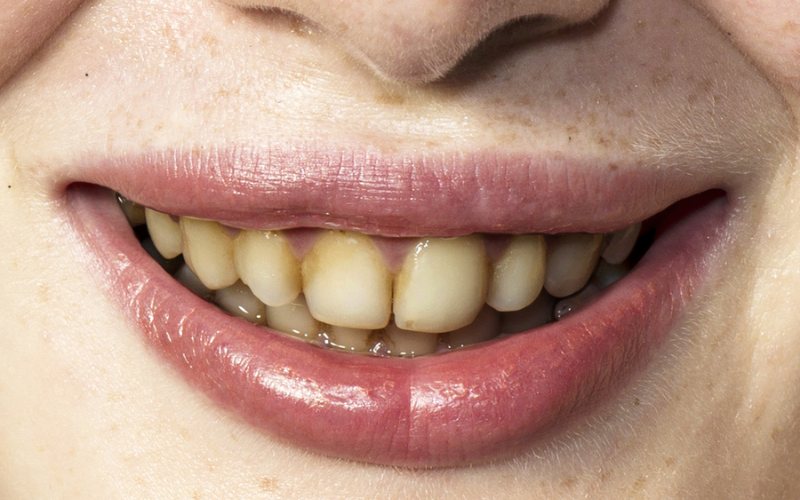
Black stains on your teeth can show up as dark spots, lines near the gum line, or discoloration across multiple teeth. They look alarming, but not all of them mean the same thing. Some are harmless surface stains from everyday habits. Others point to decay, gum disease, or systemic issues that need a dentist’s attention. The key is knowing which is which, so you can act on it appropriately.
At Advanced Family & Cosmetic Dentistry in Middletown, CT, Dr. John Pavlakis sees patients with black staining concerns on a regular basis. Whether the cause turns out to be something simple or something that needs treatment, we help you understand what is happening and what to do about it.
Are Black Stains on Teeth Always a Problem?
Not always, but they should never be dismissed without a closer look. Some black or dark discoloration is entirely extrinsic, meaning it sits on the outer surface of the enamel and results from pigments in food, drinks, or tobacco. This type responds well to professional cleaning and improved oral hygiene.
Other staining is intrinsic, originating from inside the tooth or from structural changes to the enamel and dentin. Intrinsic staining can signal decay, trauma, old restorations breaking down, or developmental conditions. A dental exam is the only reliable way to distinguish harmless surface staining from something that requires intervention. If you notice new black spots on your teeth, do not rely on appearance alone to make that call.
Common Causes of Black Stains on Teeth
Several distinct issues can produce black or very dark discoloration on teeth. They differ in where they originate, how they behave, and how they are treated.
Tooth Decay and Cavities
Decay is one of the most important causes of black discoloration because it gets worse over time if untreated. When bacteria produce acids that erode enamel, the damaged tissue darkens as the cavity deepens. Early cavities can appear gray or brown. Advanced decay, particularly when the cavity has reached the dentin or the nerve, often turns visibly black. Decay-related staining does not improve with brushing or whitening. It requires a filling, crown, or in more advanced cases, a root canal to stop the damage and restore the tooth.
Tartar Buildup
Plaque that is not removed through regular brushing and flossing hardens into tartar, also called calculus. Tartar accumulates fastest along the gum line and between teeth, and it can absorb dark pigments from food and tobacco over time, taking on a brown or black color. Unlike plaque, tartar cannot be removed at home. Only a professional cleaning can safely remove it. Leaving tartar in place creates an environment where bacteria thrive and gum disease becomes more likely.
Extrinsic Staining from Food, Drinks, and Tobacco
Coffee, tea, red wine, dark sodas, soy sauce, and berries all contain chromogens, which are pigmented compounds that bind to tooth enamel. Tobacco, whether smoked or chewed, deposits tar and nicotine on teeth, producing some of the most stubborn and deeply penetrating stains. Extrinsic stains typically appear across multiple teeth and worsen gradually with continued exposure. They respond to professional cleaning and, in moderate to severe cases, teeth whitening.
Black-Line Stain
Black-line stain is a specific and often misunderstood type of extrinsic discoloration. It appears as a thin dark line or row of dots at the gum margin of teeth, typically following the gum line across the fronts and backs of multiple teeth. According to a 2022 review published in the British Dental Journal, black-line stain is caused by chromogenic bacteria and iron deposits rather than decay, and it is actually associated with a lower incidence of cavities in those affected. It is seen in both children and adults and responds to professional cleaning, though it can recur. Identifying this pattern correctly matters, because it looks alarming but is not a sign of disease.
Medications
Certain medications can cause tooth discoloration. Liquid iron supplements are a common culprit, particularly in children, because iron compounds can react with sulfur compounds in saliva and leave dark deposits on teeth. Tetracycline antibiotics taken during tooth development can cause permanent intrinsic staining, ranging from yellow-brown to dark gray. Chlorhexidine mouth rinse used for extended periods can also cause surface darkening. If a medication is the likely cause, your dentist can help determine what options exist for managing the appearance.
Fluorosis
Fluorosis develops when children are exposed to excessive fluoride during the years when permanent teeth are forming. Mild fluorosis produces white spots or streaks. In more severe cases, it can cause brown or black pitting on the enamel surface. Fluorosis is intrinsic and cannot be addressed with whitening alone. Cosmetic treatments such as microabrasion, bonding, or veneers may be recommended depending on the extent of the discoloration.
Tooth Trauma
A tooth that has been injured, even without an obvious crack or fracture, can darken over time as the pulp tissue inside breaks down. This is intrinsic staining caused by blood pigments released from damaged vessels within the tooth. A darkening tooth following trauma should be evaluated by a dentist to determine whether the pulp is still vital. If the pulp has died, root canal treatment may be needed to address the source of the discoloration and prevent infection.
Aging and Enamel Wear
Over time, enamel naturally wears thin from daily use. As the outer enamel layer thins, the darker dentin beneath becomes more visible, giving teeth a yellow, gray, or in some cases brownish appearance. This is a gradual, age-related process that tends to affect the entire smile rather than isolated spots. While normal, it can be worsened by acidic diets, teeth grinding, and dry mouth, all of which accelerate enamel loss.
Dental Restorations
Older metal amalgam fillings can leach gray or black pigment into the surrounding tooth structure over time. This creates a shadow or dark staining visible through the enamel near the restoration. Additionally, if decay develops around an existing filling or crown, the area can darken. If you notice dark discoloration around an older dental restoration, have it evaluated, as the restoration may need to be replaced.
How Are Black Stains on Teeth Treated?
Treatment depends entirely on what is causing the staining. A dentist needs to examine the teeth and, in some cases, take X-rays before recommending a course of action. The most common treatment paths include the following.
Professional cleaning removes extrinsic staining, tartar, and most surface discoloration. For patients who accumulate staining or tartar quickly, more frequent cleanings may be recommended. Teeth whitening treats surface and mild intrinsic staining in healthy teeth without active decay. It is not effective on staining caused by fluorosis, tetracycline, or restorations. Restorative treatment such as fillings, crowns, or root canal therapy addresses decay, damaged pulp, or failing restorations that are driving the discoloration. Cosmetic options including veneers, bonding, or microabrasion are considered for staining that is cosmetically significant but not a health concern, such as fluorosis or enamel wear.
What Foods and Habits Cause the Most Staining?
The biggest contributors to external tooth staining are coffee, tea, red wine, dark colas, and tobacco products. These are followed by highly pigmented foods like berries, tomato-based sauces, soy sauce, and dark chocolate. Acidic foods and drinks, such as citrus juices and carbonated beverages, do not stain directly but weaken enamel and make it more susceptible to staining from other sources. Rinsing with water after consuming staining foods, drinking dark beverages through a straw, and brushing before coffee or tea are practical steps that reduce cumulative surface staining over time.
How to Prevent Black Stains on Teeth
Preventing staining starts with consistent oral hygiene. Brush twice a day with a fluoride toothpaste, floss daily, and attend regular professional cleanings every six months. If you smoke or use tobacco, quitting is the single most impactful step for both stain prevention and overall oral health. Staying hydrated helps maintain saliva production, which naturally rinses the mouth and neutralizes acids. If you are prone to tartar buildup or use a medication that causes staining, your dentist at Advanced Family & Cosmetic Dentistry can recommend a cleaning schedule and home care routine tailored to your situation.
Frequently Asked Questions About Black Stains on Teeth
Can black stains on teeth go away on their own?
Extrinsic surface stains do not disappear on their own, but they can be removed with professional cleaning and do not worsen beyond what continued staining adds. Decay-related staining will always progress without treatment. Black-line stain, a specific bacterial pattern near the gum line, can fade somewhat in adulthood but often requires professional cleaning to remove at any given time.
Why do I have black stains near my gum line even though I brush regularly?
Black staining at the gum line that persists despite regular brushing is often black-line stain, which is caused by chromogenic bacteria rather than poor hygiene. It can also result from tartar buildup that brushing alone cannot remove. Both require professional cleaning. If the staining is isolated to one tooth near the gum line, it may indicate decay or a failing restoration, which warrants an exam.
Do black spots on teeth always mean cavities?
No. Black spots can result from extrinsic staining, tartar, black-line stain, tobacco use, iron supplements, or old restorations, none of which involve active decay. However, black spots on a single tooth, particularly in a pit or groove or at the margins of a filling, do warrant an X-ray and exam to rule out decay. Do not assume a spot is harmless without a professional evaluation.
Can teeth whitening remove black stains?
Whitening is effective for extrinsic surface staining and some mild intrinsic staining in otherwise healthy teeth. It does not work on staining caused by decay, dead pulp, fluorosis, tetracycline, or metal restorations. A dentist can assess what is causing your staining and let you know whether whitening is appropriate or whether a different treatment is needed first.
How do dentists remove black tartar stains that brushing cannot touch?
A dental hygienist uses ultrasonic scalers and hand instruments to break down and remove hardened tartar from tooth surfaces and below the gum line. This cannot be replicated at home. For heavier buildup or patients with gum disease, scaling and root planing may be recommended to thoroughly clean the root surfaces and reduce the bacterial environment.
Talk to Dr. Pavlakis About Your Smile
Black stains on teeth can have many different causes, and the right response depends on which one is driving your situation. At Advanced Family & Cosmetic Dentistry, Dr. John Pavlakis brings years of experience helping patients in Middletown and throughout Connecticut understand and address discoloration, whether it is a simple cleaning issue or something that needs restorative care. We take the time to look carefully, explain what we find, and build a plan that fits your needs.
If you have noticed black spots or dark staining on your teeth, do not put off getting answers. Reach out through our contact form to schedule your evaluation with our dental team and get a clear picture of what is going on.

Dr. John Pavlakis | Cosmetic Dentist
Dr. John Pavlakis, a graduate of the University at Buffalo School of Dental Medicine, brings years of expertise and a commitment to patient-centered care. Staying at the forefront of dental advancements, he is an active member of leading dental organizations. Known for his compassionate approach, Dr. Pavlakis ensures patients feel heard and comfortable, providing top-tier cosmetic and general dentistry at Advanced Family & Cosmetic Dentistry in Middletown, CT.