
717 Newfield St. Middletown, CT 06457


Last Updated: May 28, 2026
Medically Reviewed By:
Dr. John Pavlakis, Cosmetic Dentist
For many people, the idea of sitting in a dental chair brings with it a wave of anxiety, and much of that anxiety comes down to one thing: fear of pain or discomfort during treatment. The good news is that modern dentistry has more tools than ever before to keep patients comfortable, calm, and completely in control of their experience. Understanding your anesthesia and sedation options is one of the most empowering things you can do before your next dental appointment.
At Advanced Family & Cosmetic Dentistry in Middletown, CT, we believe that no patient should avoid necessary care out of fear or apprehension. Dr. Pavlakis and our team take a personalized approach to every visit, taking the time to understand your comfort level and discuss which options make the most sense for your treatment. Whether you need something simple or a little extra support, our sedation dentistry options are designed to meet you where you are.
The Difference Between Anesthesia and Sedation
Before diving into specific options, it helps to understand the distinction between anesthesia and sedation, as they serve different purposes. Anesthesia refers to the elimination of pain sensation in a specific area or throughout the body, while sedation refers to a state of relaxation that reduces anxiety and awareness during a procedure. In dental settings, these two approaches are often used together to create a comfortable experience for patients of all anxiety levels.
The American Dental Association recognizes several levels of sedation, ranging from minimal sedation, where the patient is relaxed but fully awake, to general anesthesia, where the patient is completely unconscious. Most routine dental procedures fall well within the lighter end of that spectrum, and your dentist will always recommend the most appropriate level based on your health history and the complexity of your treatment.
Common Types of Dental Anesthesia
Local anesthesia is the most widely used form of pain control in dentistry, and it’s what most patients encounter during routine procedures like fillings, root canals, and extractions. It works by temporarily blocking nerve signals in a specific area of the mouth, so you remain awake and alert while feeling no pain in the treated area. Common agents include lidocaine and articaine, both of which take effect quickly and wear off within a few hours after your appointment.
Topical anesthetics are often applied before an injection to numb the surface of the gum tissue, reducing the sensation of the needle itself. This small step can make a meaningful difference for patients who are particularly sensitive to injections, and it’s something our team incorporates routinely to make the experience as smooth as possible.
Sedation Options for Anxious Patients
For patients who experience significant dental anxiety or who are undergoing longer or more complex procedures, sedation can be a valuable addition to local anesthesia. Here are the most common sedation options you may encounter:
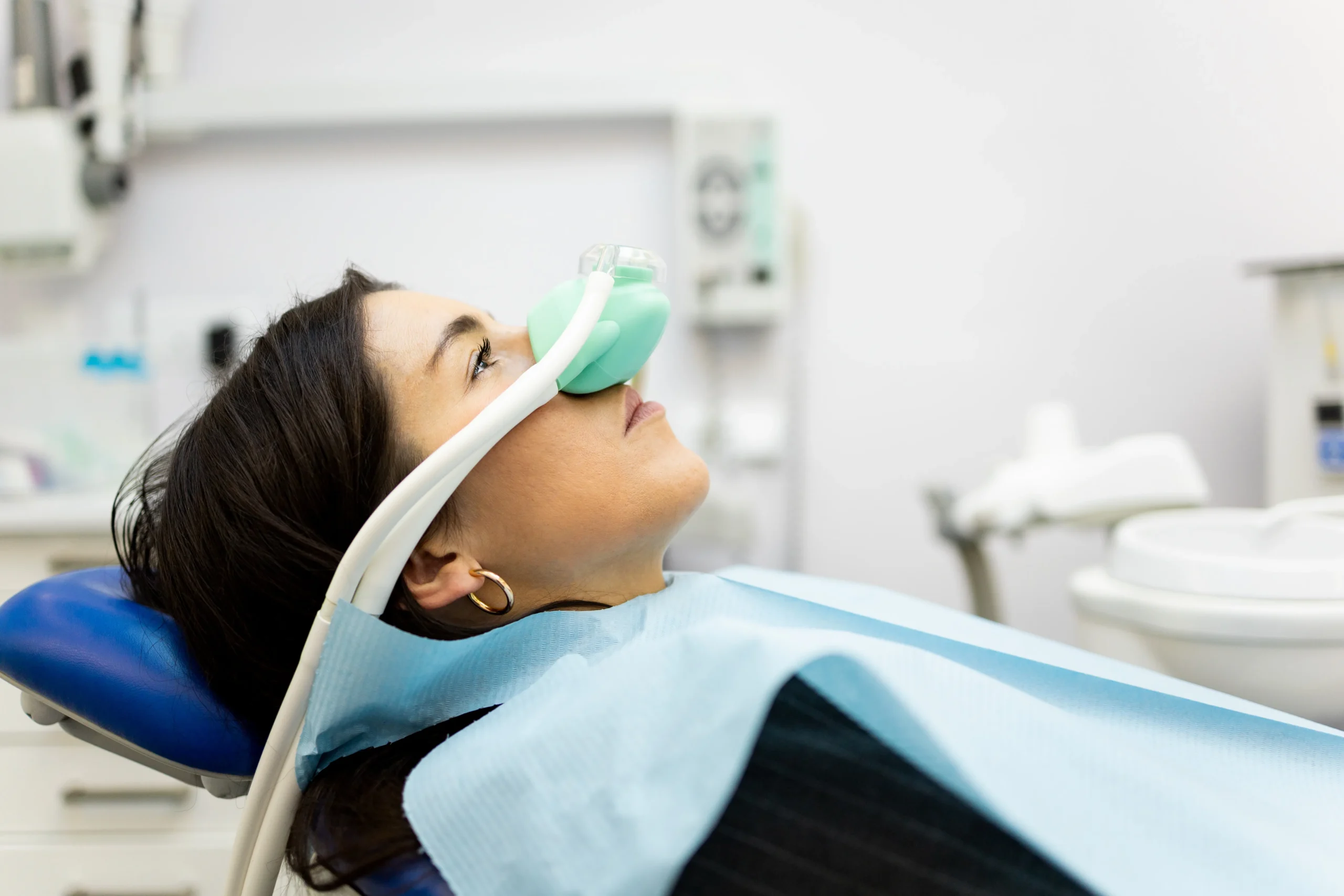
- Nitrous oxide: Also known as laughing gas, nitrous oxide is inhaled through a small mask placed over the nose. It produces a feeling of relaxation and mild euphoria while keeping you fully conscious and able to communicate, and effects wear off quickly after the appointment.
- Oral sedation: This involves taking a prescribed medication before the appointment. Patients remain awake but feel deeply relaxed and may have limited memory of the procedure. A driver is required for this option.
- IV sedation: Administered intravenously for faster onset and more precise control, IV sedation produces a deeper state of relaxation and is typically reserved for more involved procedures or patients with severe anxiety.
Each of these options has its own set of considerations, and our team will walk you through them thoroughly before any decisions are made.
How We Help You Choose the Right Option
Choosing the right sedation approach is never one-size-fits-all. At Advanced Family & Cosmetic Dentistry, we start by reviewing your full medical history, current medications, and the specifics of your planned treatment before making any recommendations.
Patients undergoing emergency dental care may have different needs than those scheduling a routine preventative dentistry visit, and we treat each case accordingly. Open communication is at the center of everything we do, and we encourage every patient to ask questions and share concerns freely.
Schedule a Consultation With Advanced Family & Cosmetic Dentistry
At Advanced Family & Cosmetic Dentistry, we are committed to making every patient’s experience as comfortable and stress-free as possible. Dr. Pavlakis, a graduate of the University at Buffalo School of Dental Medicine, combines clinical skill with genuine care for each patient’s well-being. As a non-restricted provider, we have the flexibility to develop treatment plans that truly put your health first, while still working to maximize your insurance reimbursement. Learn more by visiting our meet the dentist page.
If dental anxiety has been keeping you from the care you need, we’re here to help. Contact our office today to schedule a consultation and take the first step toward a more comfortable dental experience.

Dr. John Pavlakis | Cosmetic Dentist
Dr. John Pavlakis, a graduate of the University at Buffalo School of Dental Medicine, brings years of expertise and a commitment to patient-centered care. Staying at the forefront of dental advancements, he is an active member of leading dental organizations. Known for his compassionate approach, Dr. Pavlakis ensures patients feel heard and comfortable, providing top-tier cosmetic and general dentistry at Advanced Family & Cosmetic Dentistry in Middletown, CT.