717 Newfield St. Middletown, CT 06457



Last Updated: August 5, 2026
Medically Reviewed By:
Dr. John Pavlakis, Cosmetic Dentist
Medically Reviewed by Dr. John Pavlakis, DDS on August 5, 2026
Athletic mouth guards do more than protect teeth from a sudden impact. These custom-fitted devices absorb and redistribute force across the jaw, reducing the risk of fractured teeth, soft tissue injuries, and other trauma that can permanently alter your child’s smile and oral health. Whether your child plays contact sports like hockey or seemingly lower-risk activities like gymnastics, proper mouth protection can prevent dental emergencies costing thousands of dollars in restorative treatment.
At Advanced Family & Cosmetic Dentistry, Dr. Pavlakis creates custom athletic mouth guards designed specifically for young athletes in Middletown. Unlike store-bought alternatives, professional mouth guards provide superior comfort and protection, allowing your child to breathe easily, communicate clearly, and focus on performance rather than discomfort.
Why Your Child Needs an Athletic Mouth Guard
Dental injuries account for nearly 40% of all sports-related injuries in children and teenagers. A single impact can chip, crack, or completely knock out a permanent tooth, creating both immediate pain and long-term complications. Baby teeth may seem less critical, but damage to primary teeth can affect the development of permanent teeth underneath and disrupt proper jaw growth.
Contact sports like football, hockey, basketball, and soccer present obvious risks. However, baseball, skateboarding, and even cheerleading also generate significant dental trauma. Any activity where your child might collide with another player, hit the ground, or encounter equipment moving at high speed warrants mouth protection.
Beyond protecting teeth themselves, mouth guards cushion the jaw joint and reduce the transmission of force to the skull. Research reviewed by the American Dental Association found that athletes without mouth guards face more than double the risk of a dental injury compared to those wearing one, though mouth guards should never replace proper helmets and protective gear designed specifically for head injury prevention.
~40%
Of sports-related injuries in children and teens involve the teeth or mouth
82–93%
Lower likelihood of a dentofacial injury among mouth guard users, per a review cited by the ADA
1x / year
Recommended fitting check as your child’s mouth continues to grow
Types of Athletic Mouth Guards Available
Choosing the right mouth guard involves balancing protection, comfort, and cost. Understanding the differences between available options helps you make informed decisions about your child’s dental safety.
| Stock / Boil-and-Bite | Custom-Fitted | |
|---|---|---|
| Fit | Generic or roughly molded | Precise impression of your child’s teeth |
| Breathing & speech | Often restricted | Normal breathing and clearer speech |
| Shock absorption | Minimal, uneven | Distributed evenly across vulnerable teeth |
| Consistent wear | Often removed due to discomfort | More likely to be worn consistently |
Store-bought mouth guards come in two varieties. Boil-and-bite models soften in hot water, then mold somewhat to your child’s teeth when bitten down. Stock mouth guards arrive pre-formed with no customization at all. Both options provide minimal protection and often cause breathing difficulties, speech problems, and discomfort that makes children reluctant to wear them consistently.
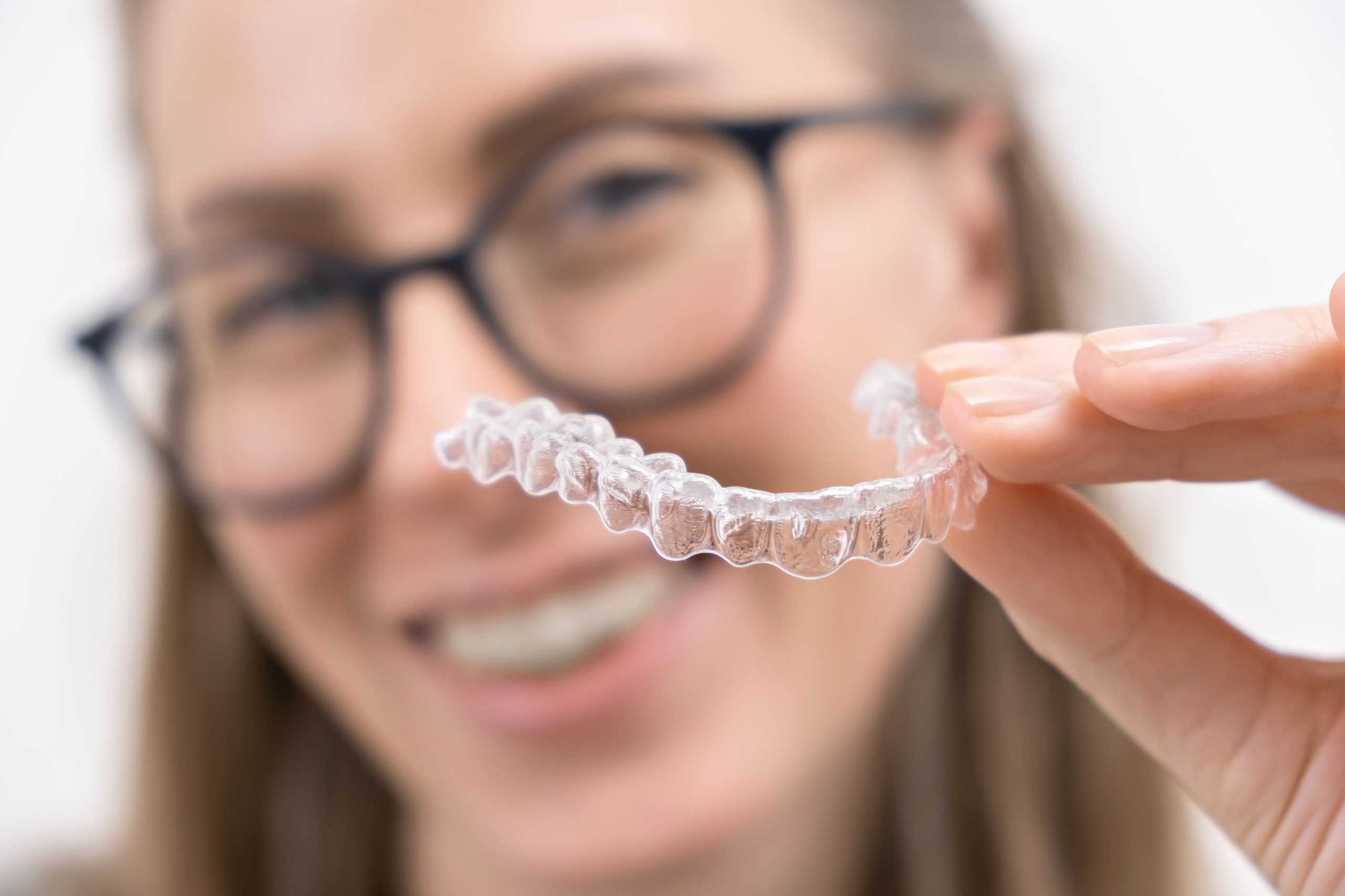
Custom-fitted mouth guards created by a dentist offer the highest level of protection and comfort. Dr. Pavlakis takes precise impressions of your child’s teeth to create a guard fitting their exact mouth structure. While custom guards require a higher initial investment than an over-the-counter option, they prevent injuries far more expensive than the fitting appointment itself.
When and How to Use Sports Mouth Guards
Your child should wear their athletic mouth guard during all practices and games, not just official competitions. Most dental injuries occur during routine practice sessions when supervision may be lighter and protective equipment seems less urgent.
Proper fit makes all the difference in whether your child actually keeps the guard in place. Consider these key factors:
- The guard should stay secure without constant jaw clenching
- Breathing through the mouth should remain easy and unobstructed
- No gagging sensation or excessive saliva production should occur
- Speech should remain relatively clear for communication with teammates
- The guard should cover all back teeth and provide cushioning along the gums
If your child constantly removes the guard or complains about discomfort, the device either needs adjustment or replacement. Mouth guards require replacement as your child’s mouth develops, since growing jaws and erupting teeth change the landscape of your child’s mouth every few months during rapid growth periods. An annual fitting appointment allows Dr. Pavlakis to assess whether the current guard still provides adequate protection or whether changes in tooth position require a new impression.
Mouth Guards for Kids in Braces or Retainers
Athletes with braces need a different approach than athletes with a full set of permanent or baby teeth. Standard boil-and-bite guards can catch on brackets and wires, and a poorly fitted guard can actually contribute to lip and cheek injuries during impact. We fit orthodontic patients with guards designed to accommodate brackets, and we coordinate the timing of new guards with adjustments to braces or a retainer so the fit stays accurate as treatment progresses.
Caring for Your Child’s Mouth Guard
Clean the mouth guard with cool water and mild soap after every use. Hot water can warp the material and compromise the precise fit that makes custom guards effective. Brush the guard gently with a soft toothbrush to remove debris and bacteria, then allow it to air dry completely before storage.
Store the mouth guard in a ventilated plastic case between uses. Sealed containers without air circulation create moist environments where bacteria multiply rapidly, leading to unpleasant odors and potential infections. Keep the case in a cool location away from direct sunlight or heat sources that might deform the material.
Inspect the guard regularly for signs of wear including thinning areas, cracks, tears, or rough spots that might irritate gum tissue. Bring concerns about wear patterns to your next dental appointment rather than attempting repairs yourself.
If a Dental Injury Happens Anyway
Even with a properly fitted mouth guard, sports injuries can still occur. Knowing how to react in the first few minutes can make a real difference in whether a tooth can be saved.
1
Find the Tooth
Pick it up by the crown, not the root, and avoid scrubbing off any tissue fragments.
2
Keep It Moist
Store it in milk or a tooth-preservation solution, not tap water, on the way to care.
Protecting Your Young Athlete’s Smile at Advanced Family & Cosmetic Dentistry
Dental injuries do not heal like scraped knees or bruised shins. A knocked-out permanent tooth affects your child’s appearance, eating ability, and confidence for years to come. Restorative options like dental implants or bridges require multiple appointments, significant expense, and ongoing maintenance throughout your child’s life.
Prevention through proper mouth protection costs far less in time, money, and emotional stress than treating sports-related dental trauma. Dr. Pavlakis has treated numerous young athletes facing dental emergencies that could have been prevented with properly fitted mouth guards, reinforcing the value of proactive protection for every child participating in athletic activities.
Protect Your Young Athlete’s Smile
Schedule a custom mouth guard fitting with Dr. Pavlakis before the next season starts.
Frequently Asked Questions About Athletic Mouth Guards
What should I do if my child’s tooth gets knocked out during a game?
Pick up the tooth by the crown rather than the root, rinse it gently without scrubbing, and try to keep it moist in milk or a tooth-preservation product. Call our office immediately and try to be seen within 30 to 60 minutes, since prompt care gives the tooth the best chance of being saved.
At what age should my child start wearing an athletic mouth guard?
Most children can start wearing a mouth guard as soon as they participate in organized sports with contact risk, often around age six or seven. Younger athletes in higher-risk sports like hockey or football may benefit from starting even earlier.
Can my child wear a mouth guard with braces?
Yes, but standard boil-and-bite guards can catch on brackets and wires and may increase the risk of soft tissue injury. We fit orthodontic patients with guards designed specifically to work with braces, and we adjust the fit as treatment progresses.
How much does a custom mouth guard cost compared to a store-bought one?
A custom-fitted mouth guard costs more upfront than a boil-and-bite version from a sporting goods store, but it offers significantly better protection, comfort, and durability. We review pricing and any applicable insurance coverage at your fitting appointment.
How often does my child need a new mouth guard?
Most young athletes need a new mouth guard about once a year as their mouth grows and teeth shift, though children in the middle of active orthodontic treatment or rapid growth spurts may need a new one sooner. An annual fitting check helps confirm whether the current guard still fits properly.
Dr. Pavlakis earned his Bachelor of Science at SUNY New Paltz before completing his dental education at the University at Buffalo School of Dental Medicine, where he served as class president. He maintains active membership in the Seattle Study Club, Synergy Study Club, Middlesex Dental Society, and Connecticut Dental Society. Schedule a mouth guard fitting by visiting our contact page.
About the Author
Advanced Family & Cosmetic Dentistry Middletown
Dr. Pavlakis earned his dental degree from the University at Buffalo School of Dental Medicine, where he served as class president, and brings over 20 years of experience in family and cosmetic dentistry to patients throughout Middletown, Connecticut.

Dr. John Pavlakis | Cosmetic Dentist
Dr. John Pavlakis, a graduate of the University at Buffalo School of Dental Medicine, brings years of expertise and a commitment to patient-centered care. Staying at the forefront of dental advancements, he is an active member of leading dental organizations. Known for his compassionate approach, Dr. Pavlakis ensures patients feel heard and comfortable, providing top-tier cosmetic and general dentistry at Advanced Family & Cosmetic Dentistry in Middletown, CT.