717 Newfield St. Middletown, CT 06457


Last Updated: August 5, 2026
Medically Reviewed By:
Dr. John Pavlakis, Cosmetic Dentist
Medically Reviewed by Dr. John Pavlakis, DDS on August 5, 2026
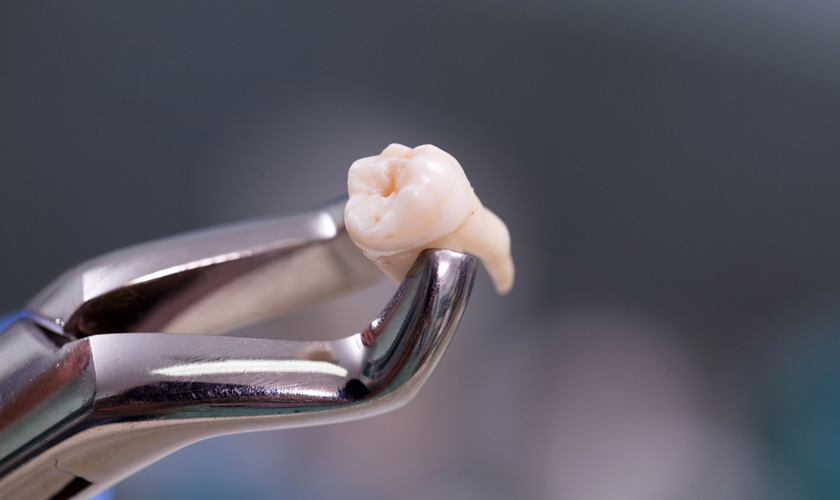
There is no strict limit on how many teeth can be extracted during a single appointment. When several teeth need to come out, most patients can have them all removed in one visit rather than returning for separate procedures, which limits the number of times you need to sit in the chair and reduces the window in which decay or infection can spread to nearby teeth.
At Advanced Family & Cosmetic Dentistry Middletown, we always want our patients to feel safe and comfortable regardless of the type of treatment they are coming in for. Tooth extraction is a procedure we recommend when severe tooth decay, advanced gum disease, or a broken tooth can no longer be saved with a filling or root canal. While the idea of having more than one tooth pulled at once can be intimidating, our goal is to make sure you feel fully informed and confident before, during, and after treatment.
Can You Have More Than One Tooth Extracted at Once?
Patients in need of multiple extractions can have as many teeth removed in a single visit as their treatment plan calls for. Multi-tooth extractions are less common than single extractions, but when a dentist does recommend removing more than one tooth at the same appointment, it is typically because doing so is the most effective way to stop decay or infection from progressing.
For patients suffering from severe tooth decay, having multiple teeth extracted during one visit is often preferable to spacing procedures out over several appointments. Consolidating treatment helps prevent the bacteria causing the decay from spreading further and affecting additional teeth in the time between separate visits. Removing the compromised teeth in one sitting also means a single, defined recovery period rather than several overlapping ones.
Sometimes an extraction is necessary for an impacted tooth, most often a wisdom tooth that has not erupted properly. In this case, removing the tooth relieves pressure it may be placing on neighboring teeth and gum tissue. That pressure can contribute to misalignment, so extracting the problem tooth allows the bite to settle into its proper position.
Why Might You Need Multiple Teeth Extracted?
Multiple extractions are usually tied to one of a handful of underlying causes. Knowing which one applies to your situation helps set expectations for the visit itself and for what comes after.
Severe Tooth Decay
Decay that has reached the tooth’s core in more than one tooth, often affecting teeth that sit near each other.
Advanced Gum Disease
Bone and tissue loss from untreated gum disease can loosen several teeth at once.
Impacted Wisdom Teeth
Wisdom teeth commonly need removal in pairs or all four at once when they are impacted or crowding other teeth.
Orthodontic Crowding
Severe crowding sometimes calls for extractions to create space before Invisalign or other orthodontic treatment.
What to Expect During a Multi-Tooth Extraction Visit
Every extraction visit follows a similar rhythm, even when several teeth are involved. Understanding the sequence in advance makes the appointment far less unpredictable.
1
Comfort Planning
We discuss local anesthesia or, for anxious patients or longer procedures, sedation dentistry options.
2
Extraction
Each tooth is gently loosened and removed in sequence once the area is fully numb.
3
Clot Formation
Gauze pressure helps a protective blood clot form in each socket before you leave.
4
Aftercare Review
We walk through written aftercare instructions before you head home to recover.
To learn more about having one or more of your teeth extracted, contact us today to speak with a member of our team about your options.
How to Care for Your Oral Health After Having Teeth Extracted
If you have multiple teeth extracted, cleaning and caring for your mouth after you go home is an essential part of a full recovery. We will provide aftercare instructions tailored to your procedure, but the guidance below typically applies:
- Avoid eating or drinking for a minimum of two hours after your extraction procedure
- When you resume eating, stick to soft foods and fluids for the first few days
- Do not brush or rinse your teeth for a minimum of 12 hours following the procedure
- When you resume brushing, avoid the extraction sites and be careful not to dislodge the blood clot, which forms to protect the socket while it heals
To ensure your extraction goes as smoothly as possible, work with a dental team that keeps you comfortable and informed before, during, and after the procedure.
1–5%
Estimated rate of dry socket after routine tooth extractions
12–24 hrs
Typical window before it’s safe to resume gentle brushing near the site
7–10 days
Common initial healing period before soft tissue closes over the socket
Dry socket prevalence estimate based on published clinical research on routine dental extractions.
Replacing Multiple Extracted Teeth
Once healing is underway, many patients want to know what comes next. If the extracted teeth were visible or involved in chewing, we will talk through replacement options as part of your treatment plan, which may include dental implants, a fixed bridge, or removable dentures depending on how many teeth were removed and where they were located. Addressing replacement early helps prevent shifting of the remaining teeth and keeps your bite functioning the way it should.
Learn More About Tooth Extractions at Advanced Family & Cosmetic Dentistry
Facing a tooth extraction can be stressful, especially when multiple teeth are involved. At Advanced Family & Cosmetic Dentistry, we prioritize your comfort and care. Our experienced team will guide you through the process, ensuring you feel informed and confident. We can extract multiple teeth in one visit, helping you avoid extra appointments and reduce the risk of further decay, and we back every procedure with comprehensive aftercare instructions for a smooth recovery.
Ready to Talk About Your Extraction Options?
Dr. Pavlakis and our team at Advanced Family & Cosmetic Dentistry Middletown are ready to walk you through your options and answer your questions.
Frequently Asked Questions About Tooth Extractions
Is it safe to have several teeth pulled during one appointment?
Yes, for most patients it is both safe and preferable to have multiple teeth extracted in a single visit rather than spacing the procedures out. Your dentist will review your health history and the number and location of the teeth involved before recommending this approach.
How long does recovery take after multiple tooth extractions?
Initial healing of the gum tissue over each socket generally takes about seven to ten days, while complete bone healing continues for several weeks longer. Recovery time can vary based on how many teeth were removed and your individual healing rate.
Will I need sedation for a multi-tooth extraction?
Many multi-tooth extractions are completed comfortably with local anesthesia alone. For patients with dental anxiety, a higher number of teeth involved, or a more complex case, we offer sedation dentistry options to keep the appointment relaxed and manageable.
What are my options for replacing multiple extracted teeth?
Depending on which teeth were removed, common replacement options include dental implants, a fixed bridge, or a removable partial or full denture. We discuss the right fit for your bite, budget, and long-term oral health goals during your follow-up visit.
How can I reduce my risk of dry socket after an extraction?
Avoiding smoking, straws, and vigorous rinsing or spitting for the first few days after your extraction helps protect the healing blood clot. Following your written aftercare instructions closely is the most effective way to lower your risk of dry socket.
Our goal is to provide you with safe and effective treatment backed by comprehensive aftercare instructions for a smooth recovery. Contact us today at (860) 347-1227 or visit our contact form to discuss your tooth extraction needs and schedule an appointment.
About the Author
Advanced Family & Cosmetic Dentistry Middletown
Dr. Pavlakis earned his dental degree from the University at Buffalo School of Dental Medicine and brings over 20 years of experience in both corporate and fee-for-service dentistry to patients throughout Middletown, Connecticut and the surrounding communities.

Dr. John Pavlakis | Cosmetic Dentist
Dr. John Pavlakis, a graduate of the University at Buffalo School of Dental Medicine, brings years of expertise and a commitment to patient-centered care. Staying at the forefront of dental advancements, he is an active member of leading dental organizations. Known for his compassionate approach, Dr. Pavlakis ensures patients feel heard and comfortable, providing top-tier cosmetic and general dentistry at Advanced Family & Cosmetic Dentistry in Middletown, CT.