
717 Newfield St. Middletown, CT 06457


Last Updated: July 29, 2026
Medically Reviewed By:
Dr. John Pavlakis, Cosmetic Dentist
Sleep apnea affects many people, disrupting their rest and potentially leading to serious health complications. For many people struggling with this condition, dental appliances may offer an effective and comfortable solution to achieve better sleep quality.
At Advanced Family & Cosmetic Dentistry, we recognize the significant impact that sleep apnea can have on your daily life and overall health. Dr. Pavlakis and our trusted team work closely with you to provide custom-fitted oral appliances that may help reduce sleep apnea symptoms and improve your quality of rest.
Left untreated, sleep apnea does more than disrupt a single night’s rest. Repeated pauses in breathing place strain on your heart and cardiovascular system over time and are associated with a higher likelihood of high blood pressure and other health concerns. That is one of the main reasons dentists and physicians alike encourage patients to pursue treatment once a diagnosis is confirmed, rather than treating loud snoring or daytime tiredness as a minor inconvenience.
Common Symptoms of Sleep Apnea
Sleep apnea often goes undiagnosed because many of its symptoms occur during sleep, when you’re unaware of them. However, the following telltale signs may indicate you have this condition.
Snoring
The most noticeable nighttime symptoms include loud, chronic snoring, gasping or choking sounds during sleep, and frequent awakenings throughout the night. Your sleep partner might notice that you stop breathing for short periods or appear restless during sleep. If snoring on its own is your main concern rather than diagnosed sleep apnea, our snore guard option is worth discussing with our team as well.
Daytime Symptoms
Daytime symptoms are equally important to recognize. Excessive daytime fatigue is common, even after what seems like a full night’s sleep. You might experience morning headaches, difficulty concentrating, irritability, or mood changes. Many people with sleep apnea also report feeling drowsy while driving or during daily activities.
Physical Symptoms
Physical symptoms may include dry mouth or sore throat upon waking, frequent nighttime urination, and difficulty staying asleep. Some people experience night sweats or feel like they never get truly restful sleep.
If you recognize these symptoms, it’s important to consult with a healthcare provider for proper evaluation. A sleep study may be recommended to confirm the diagnosis and determine the severity of your condition. Early detection and treatment can significantly improve your quality of life and reduce the risk of serious health complications associated with untreated sleep apnea.
How Dental Appliances Work for Sleep Apnea
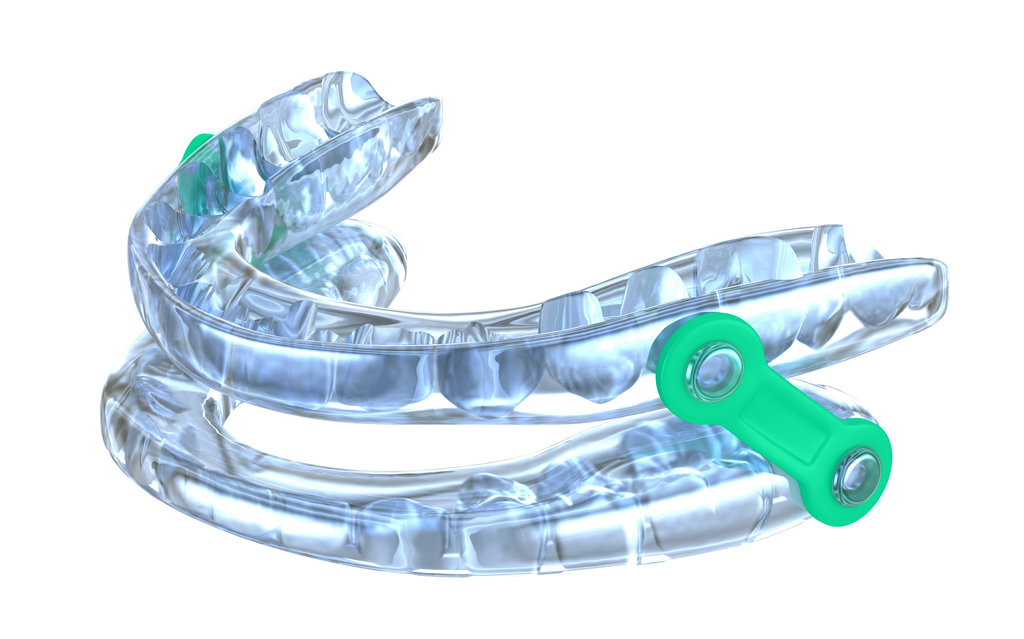
Dental appliances, also known as oral appliances or mandibular advancement devices, work by repositioning your jaw and tongue during sleep. These custom-made devices gently move your lower jaw forward, which helps keep your airway open throughout the night.
When you have sleep apnea, the soft tissues in your throat relax and collapse during sleep, blocking your airway. This blockage causes you to stop breathing temporarily, which disrupts your sleep cycle and can lead to loud snoring, gasping, and frequent awakenings.
Two Main Types of Oral Appliances
Most oral appliances for sleep apnea fall into one of two categories. Mandibular advancement devices are the most common type and fit over your upper and lower teeth much like a retainer, using hinges or connectors to hold your lower jaw in a slightly forward position. Tongue-stabilizing devices work differently. Instead of repositioning your jaw, they use gentle suction to hold your tongue forward, which can be an option for patients whose teeth are not strong enough to support a mandibular device.
Your dentist will help determine which type, if either, fits your specific anatomy and the severity of your sleep apnea. Custom-fitted versions of either device generally perform better and feel more comfortable than one-size-fits-all versions purchased without a dental evaluation, since a dentist can account for your bite, jaw position, and the condition of your teeth when designing the appliance.
It is worth setting realistic expectations from the start. Oral appliance therapy tends to work well for people with mild to moderate obstructive sleep apnea, and research generally shows it is not quite as effective as CPAP for more severe cases. That said, an appliance you actually wear every night can offer more real-world benefit than a CPAP machine that ends up sitting unused in a closet, which is part of why so many patients and physicians consider it a reasonable option for the right candidate.
Benefits of Dental Appliances for Sleep Apnea
Oral appliances offer several advantages over other sleep apnea treatments:
- They’re comfortable and easy to wear compared to CPAP machines
- They’re portable and don’t require electricity or batteries
- They’re silent during use, so they won’t disturb your sleep partner
- They allow you to sleep in any position you prefer
- They require minimal maintenance and cleaning
The appliances are custom-fitted to your mouth, ensuring maximum comfort and effectiveness. Many patients find them much more tolerable than traditional CPAP therapy over the long term, even if CPAP remains the most extensively studied treatment for moderate to severe cases.
Are You a Good Candidate for Dental Appliances?
Dental appliances work best for patients with mild to moderate obstructive sleep apnea. However, they may also be suitable for people with severe sleep apnea who cannot tolerate CPAP therapy or for those who travel frequently and need a portable option.
Your dentist will evaluate your specific condition, jaw structure, and overall oral health to determine if an oral appliance is right for you. The device works most effectively when you have healthy teeth and gums that can properly support the appliance.
When an Oral Appliance May Not Be the Right Fit
Oral appliances are not the right solution for every type of sleep-disordered breathing. Central sleep apnea, which stems from signaling issues in the brain rather than a blocked airway, does not respond to oral appliance therapy the way obstructive sleep apnea does. Severe obstructive sleep apnea can sometimes be managed with an oral appliance, but this should only happen under the guidance of your sleep physician, since attempting to manage a severe case with an appliance alone can leave the underlying condition undertreated. A diagnosed sleep study and a conversation with your physician remain the starting point for any of these decisions.
Your dental and overall health also play a role in candidacy. Active gum disease, significant tooth loss, or a jaw joint that is already prone to soreness can all affect whether a mandibular advancement device is comfortable or advisable. This is one of the reasons we review your full oral health history alongside your sleep study results before recommending a specific appliance, rather than treating sleep apnea as a one-size-fits-all conversation.
The Treatment Process for Sleep Apnea Dental Appliances
Creating your custom sleep apnea appliance begins with a comprehensive evaluation of your oral health and sleep patterns. Dr. Pavlakis will take detailed impressions of your teeth and may work with your sleep physician to help coordinate your overall treatment plan. As Harvard Health notes, it is worth asking any dentist you work with about their experience treating sleep-related breathing disorders before moving forward with a custom device.
Once your appliance is ready, you’ll receive thorough instructions on how to wear and care for it. Follow-up appointments allow us to monitor your progress and make any necessary adjustments to ensure optimal comfort and effectiveness. Most patients need a short adjustment period as the jaw gets used to its new resting position overnight.
Some patients notice mild jaw stiffness, extra saliva, or slight bite changes in the first few weeks of wearing an appliance. These effects are usually temporary and tend to ease as your mouth and jaw muscles adjust to the device. If soreness continues past the first several weeks, or if you notice your bite feels different during the day, let us know so we can adjust the fit rather than waiting it out on your own.
Sleep Better Tonight With the Help of Dental Appliances
If you’re struggling with sleep apnea symptoms, such as loud snoring, daytime fatigue, or restless nights, a dental appliance may be the solution you’ve been looking for. Dr. Pavlakis combines his dental education from the University at Buffalo School of Dental Medicine with ongoing continuing education in sleep apnea treatment to provide you with effective, comfortable solutions.
As a non-restricted provider, we have the freedom to customize your treatment plan without insurance limitations, focusing on what’s best for your health and comfort. Our office handles all insurance submissions to help you receive maximum reimbursement for your treatment. Reach out through our contact form or request an appointment to schedule your consultation and take the first step toward better sleep.
Frequently Asked Questions About Dental Appliances for Sleep Apnea
How Long Does It Take to Get Used to Wearing an Oral Appliance?
Most patients need one to a few weeks to fully adjust to wearing an oral appliance overnight. Some initial jaw soreness or extra saliva is common in the first several nights and typically eases as your mouth adapts to the new position. Follow-up visits during this period let your dentist make small adjustments so the appliance stays comfortable and effective as you settle into using it nightly.
Will My Dental Insurance Cover an Oral Appliance for Sleep Apnea?
Coverage depends on your specific plan and often falls under medical rather than dental insurance, since oral appliance therapy treats a diagnosed medical condition. Many plans require a documented sleep study and a referral before approving coverage. Our office handles insurance submissions on your behalf and can help you understand what your plan is likely to cover before treatment begins.
Can I Use an Oral Appliance Instead of a Sleep Study?
No, a sleep study is generally needed first to confirm whether you have sleep apnea and how severe it is. This diagnosis guides whether an oral appliance is an appropriate option or whether another treatment approach makes more sense. Skipping this step means treating symptoms without knowing the underlying severity, which can leave a more serious case undertreated.
How Do I Clean and Care for My Oral Appliance?
Rinse the appliance with lukewarm water each morning and brush it gently with a soft toothbrush, avoiding hot water, which can warp the material. A denture or appliance cleaning solution once or twice a week helps remove buildup between regular cleanings. Store it in its case when not in use, and bring it to your regular dental visits so your dentist can check its fit and condition over time.
Can Children Use Oral Appliances for Sleep Apnea?
Children with breathing issues during sleep typically need a different evaluation and treatment approach than adults, since the underlying causes often differ. An oral appliance should only be used in a child if their healthcare provider specifically recommends it after an appropriate evaluation. If you notice snoring, mouth breathing, or restless sleep in your child, a conversation with their pediatrician or a sleep specialist is the appropriate first step.
Dr. John Pavlakis | Cosmetic Dentist
Dr. John Pavlakis, a graduate of the University at Buffalo School of Dental Medicine, brings years of expertise and a commitment to patient-centered care. Staying at the forefront of dental advancements, he is an active member of leading dental organizations. Known for his compassionate approach, Dr. Pavlakis ensures patients feel heard and comfortable, providing top-tier cosmetic and general dentistry at Advanced Family & Cosmetic Dentistry in Middletown, CT.