
717 Newfield St. Middletown, CT 06457


Last Updated: August 11, 2026
Medically Reviewed By:
Dr. John Pavlakis, Cosmetic Dentist
Reviewed by Dr. John Pavlakis, DDS
Teeth grinding, known medically as bruxism, is something many people do without realizing it, often during sleep or moments of stress. Night guards are the most common tool dentists use to manage it, and they work well for the purpose they are built for. But patients who experience daytime clenching or who have been told their symptoms are significant sometimes wonder whether wearing their night guard during waking hours would help.
At Advanced Family & Cosmetic Dentistry in Middletown, CT, Dr. John Pavlakis helps patients navigate these questions with clear, practical guidance. The answer to whether you can or should wear your night guard during the day is more nuanced than a simple yes or no, and it depends on the type of guard you have, the nature of your grinding, and what your dentist recommends.
What Is a Night Guard and What Is It Designed to Do?
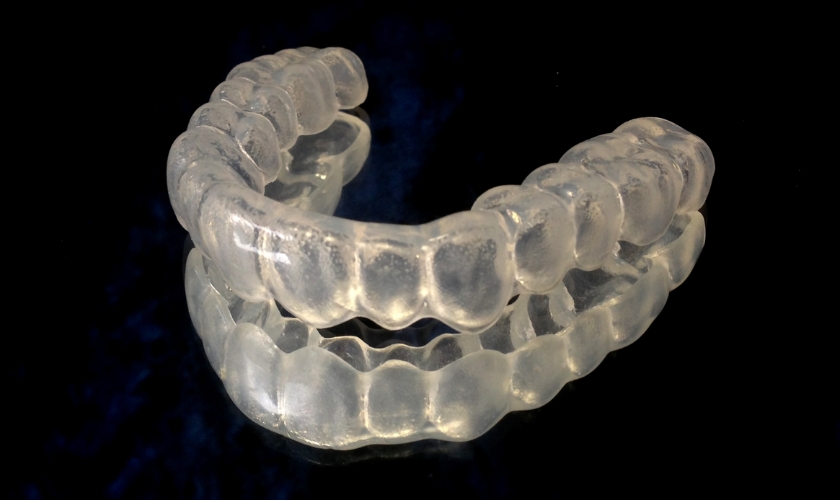
A night guard is a custom-fabricated oral appliance made from hard or soft acrylic. It fits over either the upper or lower teeth and creates a protective barrier that prevents the surfaces from grinding against each other during sleep. It does not stop the grinding habit itself, but it absorbs and redistributes the force of clenching and grinding, protecting the enamel, underlying dentin, and jaw joints from the cumulative damage those forces would otherwise cause.
Night guards are calibrated for nighttime use. They tend to be thicker and more robust than what most people would want in their mouth during the day when they need to speak clearly, eat, and function normally. This distinction matters when thinking about daytime use.
Can You Wear a Night Guard During the Day?
Technically, yes, but with important caveats. Whether it is actually appropriate for your situation depends on several factors your dentist needs to assess before you start using it beyond its intended window.
Wearing a night guard during the day is generally acceptable for short, controlled periods under dental supervision. For example, some patients with severe daytime clenching may be advised to wear it during high-stress intervals, like a long work session or a commute, to protect their teeth from the cumulative load of daytime grinding. However, this is not the same as wearing it all day without guidance.
Problems can arise from extended or unsupervised daytime use. Night guards can shift your bite if worn for long periods, since they hold the teeth and jaw in a slightly altered position that is not your natural resting state. Over hours of use, this can tire the jaw muscles, increase TMJ strain, or cause soreness. Additionally, speaking and eating with a night guard in is awkward at best and can affect communication and nutrition.
When Daytime Use May Make Sense
There are specific situations where a dentist may recommend limited daytime night guard use. Awake bruxism, which refers to grinding or clenching that happens during waking hours rather than sleep, is increasingly recognized as a separate condition from sleep bruxism. According to the American Dental Association, both forms can contribute to significant tooth wear, and management strategies differ based on which type is present.
If you have awake bruxism, your dentist may discuss a thinner, lower-profile daytime appliance that is better suited to speech and comfort than a standard night guard. In some cases, using your night guard temporarily during the day may bridge the gap while a daytime-specific device is being made. Your dentist is the right person to make that call based on what your teeth and jaw show.
Risks of Wearing Your Night Guard Too Often
More is not always better when it comes to oral appliances. Extended, unguided daytime use can lead to several concerns worth knowing about.
Changes in your bite are possible when any dental appliance is worn for hours beyond its intended use pattern. Your jaw naturally settles into a position dictated by your teeth, and altering that position for extended periods can cause temporary bite changes, jaw soreness, or muscle fatigue. Night guards also carry hygiene considerations since more time in the mouth means more exposure to oral bacteria, requiring thorough cleaning after each use. Some patients also find that wearing a night guard during the day becomes a habit that delays addressing the underlying cause of their clenching, whether that is stress, a bite issue, or sleep disturbance.
How Long Should You Wear a Night Guard Each Day?
For standard nighttime use, you wear the guard throughout your sleep period, typically seven to nine hours. If your dentist approves daytime use for a specific reason, they will provide guidance on how many hours per day and under what circumstances. Following that guidance matters, since wearing it beyond the recommended window without checking in is not advisable.
If you find yourself wanting to wear your night guard more than your dentist has directed, that is worth raising at your next visit. It may signal that your daytime clenching is significant enough to warrant a dedicated daytime appliance, or that the underlying driver of your bruxism needs more attention.
Night Guard Care and Maintenance
Proper care is essential regardless of how often you wear your guard. Rinse it with cool water before and after each use. Use a soft-bristled toothbrush and mild, non-abrasive soap to clean it, then let it air dry before storing it in its case. Avoid hot water, which can warp the material, and keep it out of direct sunlight. Inspect it regularly for cracks, rough spots, or thinning areas, and bring it to your dental appointment so your dentist can check its condition. Most night guards need to be replaced every one to five years depending on the material and how heavily you grind.
Frequently Asked Questions About Night Guards
Is it safe to wear my night guard during the day?
In limited, dentist-approved situations, yes. However, wearing a night guard for extended periods during the day without guidance is not recommended. Night guards are calibrated for sleep, and prolonged daytime use can affect your bite, tire your jaw muscles, and cause discomfort. Talk to your dentist before changing how often or when you wear your guard.
Is there a difference between a night guard and a daytime guard?
Yes. Night guards are typically thicker and designed to handle the sustained clenching and grinding forces that occur during sleep. Daytime guards are usually thinner, lower-profile, and designed for speech and comfort during waking hours. If you grind your teeth during the day, a dedicated daytime appliance is usually a better fit than a standard night guard.
How do I know if I am grinding my teeth during the day?
Daytime clenching can be subtle. Signs include jaw soreness or fatigue during the day, headaches that start around the temples, increased tooth sensitivity, or noticing that your teeth are touching or your jaw is tight during stressful activities. Many people do not realize they are doing it until a dentist points out wear patterns on their teeth.
Can wearing my night guard too much change my bite?
Extended, unsupervised use of any oral appliance can cause temporary bite changes as your jaw adapts to the altered position the device creates. This is one of the reasons dentists are specific about wear duration and schedule regular follow-ups to monitor fit and bite alignment. If you notice your bite feels off after wearing your guard, contact your dentist.
How often should I replace my night guard?
Replacement frequency depends on the material and how severely you grind. Soft night guards typically need replacing every one to two years. Harder acrylic guards can last three to five years with proper care. Bring your guard to dental appointments so your dentist can check for signs of wear and let you know when a new one is needed.
Talk to Dr. Pavlakis About Your Night Guard
Whether you are dealing with nighttime grinding, daytime clenching, or both, Dr. John Pavlakis at Advanced Family & Cosmetic Dentistry has the experience to help you find the right approach. We offer custom-fitted dental appliances tailored to your specific bite and symptoms, and we take the time to explain your options clearly so you can make an informed decision.
If you have questions about your night guard or want to explore whether a daytime appliance might be right for you, reach out through our contact form to schedule a visit with our Middletown dental team.

Dr. John Pavlakis | Cosmetic Dentist
Dr. John Pavlakis, a graduate of the University at Buffalo School of Dental Medicine, brings years of expertise and a commitment to patient-centered care. Staying at the forefront of dental advancements, he is an active member of leading dental organizations. Known for his compassionate approach, Dr. Pavlakis ensures patients feel heard and comfortable, providing top-tier cosmetic and general dentistry at Advanced Family & Cosmetic Dentistry in Middletown, CT.